Sunday, October 25, 2026
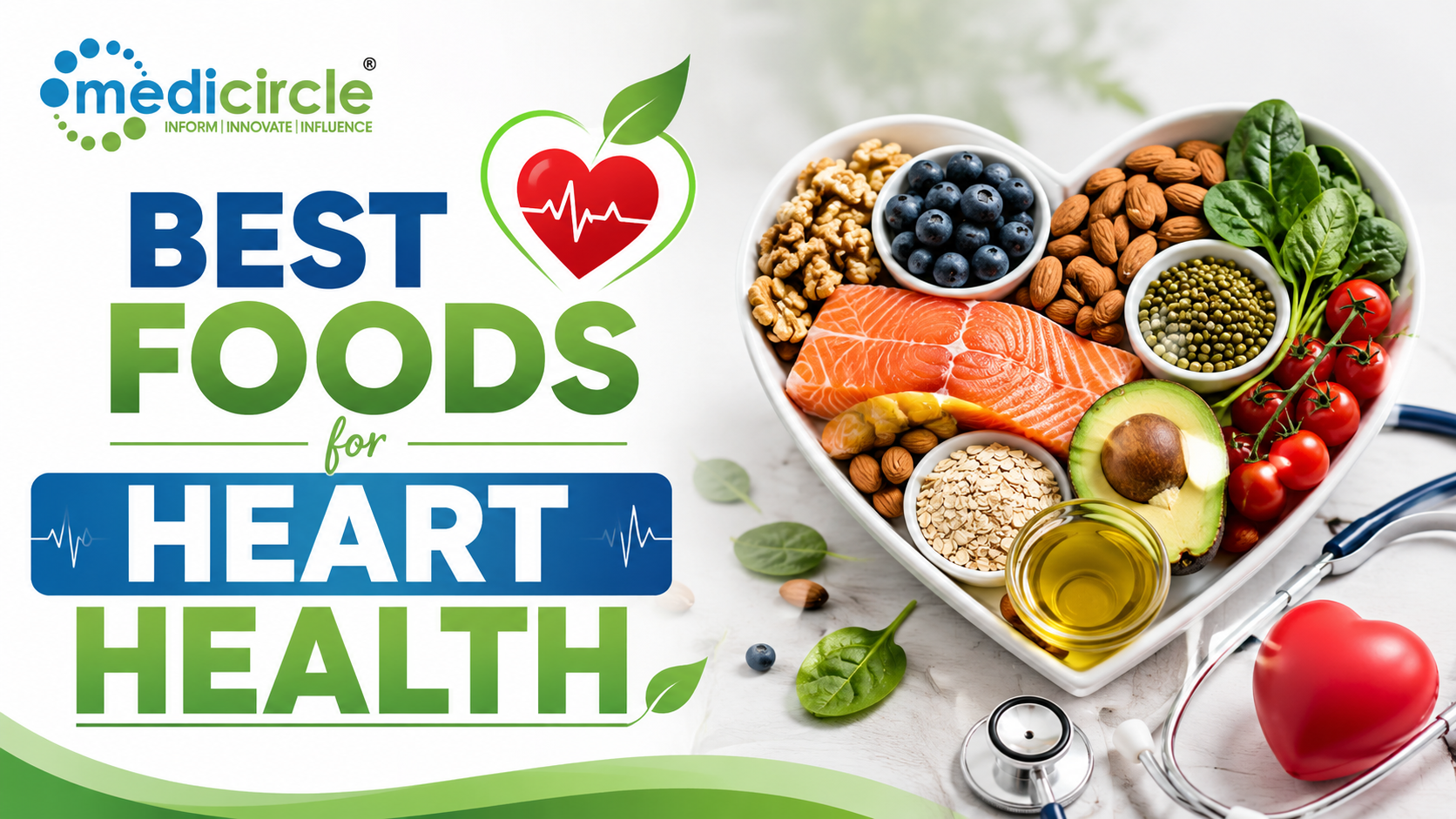
 This article explains how whole grains, legumes, fish, nuts, and vegetables support heart health, while highlighting Indian dietary habits, regional foods, and practical steps to reduce cardiovascular risk sustainably.




Introduction
Heart disease has quietly become one of India's most pressing public health concerns. It is no longer a condition limited to older adults or those with a family history. Increasingly, cardiologists across Indian cities are seeing patients in their thirties and forties with blocked arteries, elevated cholesterol, and early signs of heart strain. Diet plays a central and modifiable role in this trend, and understanding which foods genuinely support heart health can make a measurable difference in long-term outcomes.
Cardiovascular disease already accounts for a substantial share of deaths in India, and research shows the age-standardised death rate from cardiovascular causes in the country is higher than the global average. Ischemic heart disease and stroke together are responsible for the overwhelming majority of these deaths. What makes this particularly concerning for India is the early age of onset compared with Western populations, along with rising rates of hypertension, diabetes, and abdominal obesity, especially in urban areas.
The encouraging part of this picture is that food choices are one of the few risk factors within an individual's direct control. This article looks closely at the foods that genuinely support heart health, why they work at a biological level, and how they fit naturally into Indian kitchens, meals, and daily routines.
Understanding the Link Between Diet and Heart Disease
The heart depends on clean, flexible blood vessels to function well. Diet influences three major pathways that determine cardiovascular risk: blood pressure, cholesterol levels, and inflammation. Foods high in sodium tend to raise blood pressure over time. Foods high in saturated and trans fats tend to raise low-density lipoprotein, commonly called bad cholesterol, which contributes to plaque build-up inside arteries. Highly processed foods and added sugars contribute to inflammation and insulin resistance, both of which place additional strain on the cardiovascular system.
On the other hand, certain food groups actively work in the opposite direction. Fibre-rich foods help remove excess cholesterol from the body. Foods containing unsaturated fats help maintain healthy cholesterol ratios. Potassium-rich foods help counterbalance the effects of sodium on blood pressure. Understanding this mechanism helps explain why dietary patterns, rather than any single food, ultimately determine heart health outcomes.
Foods That Genuinely Support Heart Health
Whole Grains and MilletsWhole grains form the foundation of a heart-protective diet. Unlike refined grains, whole grains retain their fibre and nutrient content, which slows down digestion and helps regulate cholesterol and blood sugar levels. For Indian households, this means favouring brown rice, whole wheat atta, oats, and traditional millets such as jowar, bajra, and ragi over refined maida and polished white rice. Millets in particular deserve attention, since they are naturally low in glycemic impact and have been part of Indian diets for centuries before being displaced by refined alternatives.
Legumes, Dals, and PulsesIndia's diverse range of dals, from moong and masoor to chana and rajma, offers one of the most heart-friendly protein sources available. Legumes are rich in soluble fibre, plant protein, and antioxidants, and studies consistently associate higher legume consumption with reduced cardiovascular risk. They also serve as an affordable and widely accessible option across income groups and regions, making them particularly relevant for public health messaging in India.
Fish and Lean Protein SourcesFor non-vegetarian Indian households, fish such as rohu, hilsa, and mackerel provide valuable omega-3 fatty acids, which help reduce inflammation and support healthy heart rhythm. Coastal states such as Kerala, West Bengal, and Goa have long-standing dietary traditions built around fish consumption, and this pattern offers a useful model for heart health. Skinless chicken and eggs, consumed in moderation, are also reasonable protein choices when prepared without excessive oil or deep frying.
Nuts and SeedsAlmonds, walnuts, flaxseeds, and chia seeds are compact sources of healthy fats, fibre, and plant compounds that support cardiovascular function. Walnuts in particular contain a notable amount of plant-based omega-3 fatty acids. A small daily portion, roughly a handful, fits easily into Indian eating patterns as a mid-meal snack or as a topping for daily meals.
Vegetables and FruitsLeafy greens such as spinach, methi, and amaranth are particularly valuable because they are rich in nitrates, which help relax blood vessels and support healthy blood pressure. Seasonal Indian fruits such as guava, papaya, oranges, and pomegranate provide antioxidants and fibre without the added sugars found in processed snacks. Aiming for a variety of colours across vegetables and fruits, rather than relying on one or two items, offers a broader range of protective plant compounds.
Healthy Oils and FatsThe choice of cooking oil matters considerably. Mustard oil, groundnut oil, and rice bran oil, all commonly used across Indian kitchens, contain a favourable balance of monounsaturated and polyunsaturated fats. In contrast, repeated reuse of cooking oil, common in many households and street food preparation, generates harmful compounds and should be avoided. Ghee and coconut oil, while culturally significant, contain higher saturated fat content and are best used in smaller, occasional quantities rather than as the primary cooking medium.
Low-Fat DairyCurd, buttermilk, and low-fat paneer offer protein and calcium without the higher saturated fat content of full-fat dairy products. Buttermilk, or chaas, is a traditional Indian preparation that also supports digestion, making it a practical daily addition for many households.
Foods and Habits to Limit for Heart Health
Certain dietary patterns common in Indian households deserve closer attention. Pickles, papads, namkeens, and packaged snacks contribute significantly to daily sodium intake, often without people realising the cumulative effect. Deep-fried snacks such as samosas, pakoras, and puris, when consumed frequently, contribute unhealthy fats that raise cardiovascular risk over time. Sweetened beverages, including sugary tea, colas, and packaged fruit juices, add to daily sugar intake in ways that are easy to underestimate.
Red meat and processed meat products, when consumed in excess, are also associated with higher cardiovascular risk. This does not mean complete elimination is necessary for everyone, but portion control and frequency matter considerably. Alcohol, where consumed, should be limited, since higher intake is linked to elevated blood pressure and irregular heart rhythm.
Reducing these items gradually, rather than eliminating them abruptly, tends to be more sustainable and realistic within Indian family and social contexts, where food often carries strong cultural and emotional significance.
Adapting Heart-Healthy Eating for Indian Lifestyles
Indian diets vary enormously by region, and heart-healthy eating does not require abandoning traditional food culture. A South Indian meal built around idli, sambar, and vegetable poriyal already carries many heart-protective elements when prepared with modest oil. A North Indian thali featuring dal, sabzi, and roti made from whole wheat similarly aligns well with cardiovascular guidance when portion sizes and oil use are moderated.
Urban lifestyles bring particular challenges. Longer working hours, increased reliance on food delivery, and higher stress levels in cities such as Mumbai, Delhi, Bengaluru, and Hyderabad have contributed to a shift toward processed and restaurant food. Tier 2 cities are seeing a similar pattern emerge as consumption habits shift alongside rising incomes and changing food availability. Rebuilding the habit of eating home-cooked meals more consistently, even a few additional times a week, can meaningfully shift dietary quality over time.
Government health initiatives, including awareness efforts under the National Health Mission and campaigns around non-communicable disease prevention, have increasingly highlighted dietary risk factors as a public health priority. Platforms like Medicircle play a role here by bringing verified expert insight on nutrition and cardiovascular health to a wider public audience, helping bridge the gap between clinical knowledge and everyday food choices.
Practical Steps for Building a Heart-Healthy Plate
Building a heart-healthy diet does not require a complicated overhaul. A few consistent adjustments make a meaningful difference over months and years.
- Fill half the plate with vegetables and a portion of fruit throughout the day
- Choose whole grains and millets over refined flour and polished rice
- Include a source of legumes or fish most days of the week
- Use liquid plant oils for cooking and limit deep-fried preparations
- Read packaged food labels to identify hidden sodium and added sugar
These changes work best when introduced gradually and paired with regular physical activity, adequate sleep, and routine health checks for blood pressure and cholesterol, particularly for individuals with a family history of heart disease.
Conclusion
Heart health in India cannot be separated from the food choices made in everyday kitchens. The good news is that many of the most protective foods, from dals and millets to seasonal vegetables and traditional cooking oils, are already part of Indian culinary heritage. The task is less about adopting an entirely new diet and more about restoring balance, moderating processed and fried foods, and being consistent over time. Small, sustained changes in daily eating patterns, supported by regular medical checkups, remain one of the most effective tools available for reducing the growing burden of heart disease across the country.
Frequently Asked Questions
Q1: What is the single best food for heart health?
No single food protects the heart on its own. However, foods rich in fibre and omega-3 fatty acids, such as oats, flaxseeds, and fatty fish, are consistently linked with better cardiovascular outcomes when eaten regularly as part of a balanced diet.
Q2: Is ghee good or bad for heart health?
Ghee contains saturated fat and should be used in moderation. Small quantities used occasionally for flavour are unlikely to cause harm, but replacing ghee and butter with liquid plant oils such as mustard or groundnut oil more often supports better heart health.
Q3: Can Indian vegetarian diets support heart health effectively?
Yes. A well-planned vegetarian diet rich in legumes, whole grains, nuts, seeds, vegetables, and low-fat dairy can meet all heart-healthy nutritional needs. Care should be taken to include adequate protein and healthy fat sources such as dals, soy, nuts, and seeds.
Q4: How much salt is safe for heart health each day?
Health authorities generally recommend limiting sodium intake to less than 2,300 milligrams a day, which is roughly one teaspoon of salt. Many Indian diets exceed this due to pickles, papads, and processed snacks, so mindful reduction is advised.
Q5: Does eating fewer carbohydrates automatically improve heart health?
Not necessarily. The quality of carbohydrates matters more than simply cutting them. Whole grains such as brown rice, millets, and whole wheat support heart health, while refined carbohydrates and sugary foods do not, regardless of quantity.
Resources
- Indian Council of Medical Research (ICMR): Publications and guidelines on cardiovascular disease burden and nutrition research in India
- World Health Organization (WHO): Cardiovascular Diseases fact sheets and global dietary guidance
- American Heart Association: Diet and lifestyle recommendations for cardiovascular risk reduction
- National Heart, Lung, and Blood Institute (NHLBI), NIH: Heart-healthy eating guidance and the DASH eating plan
- Ministry of Health and Family Welfare, Government of India: National programmes on non-communicable disease prevention and control
Interlinking Keywords
heart-healthy diet, cardiovascular disease prevention, cholesterol management, Indian diet plans, blood pressure and diet, healthy cooking oils, whole grains and millets, dietitian consultation
Last medically reviewed by:
Medicircle Medical Advisory Team, on July 20, 2026
Medical Disclaimer:
This article is intended for general informational and awareness purposes only and does not constitute medical advice. It should not be used as a substitute for professional consultation, diagnosis, or treatment. Individuals with existing heart conditions, diabetes, hypertension, or other health concerns should consult a qualified physician or registered dietitian before making significant changes to their diet. Medicircle and its contributors do not assume responsibility for outcomes arising from the use of information provided in this article.





-23-300x250.png)

.jpeg)


.jpg)
.jpg)
.jpg)
.jpg)
.jpg)
.jpg)
.jpg)
.jpg)
.jpg)