 Thursday, October 08, 2026
 Butterfly Ayurveda, recently launched Coronafly, an Ayurvedic medicine for the management of COVID-19




Amid the Coronavirus scare in the world, people are looking up to alternative and traditional medicines along with modern medical science. Managing an infectious disease like Coronavirus is a big challenge in any field of healthcare. Ayurveda, the ancient medical science of life, has answers for effective management of Coronavirus symptoms. The viral infection attacks human immunity in its first attempt. However, just like a wildfire, the communal spread of the virus is fast. People are taking stringent measures to stay protected and keep their immunity strong. The increase in production and sale of health supplements, and body shielding accessories like masks and gloves is just part of this domino effect.
Although these are effective steps, they are not sufficient. Something like a viral pandemic demands more protection. This comes through boosting the immunity of the body and mind. For this, the use of Ayurveda has come out as an effective option.
The science of Ayurveda dates back to thousands of years. Its approach is holistic and takes into account the whole body instead of its parts. Ayurvedic medicine for high fever, cough & cold, body pain & weakness, joint pain and body infections, diabetes and many other ailments, have been in use for decades and passed on from generation to generation.
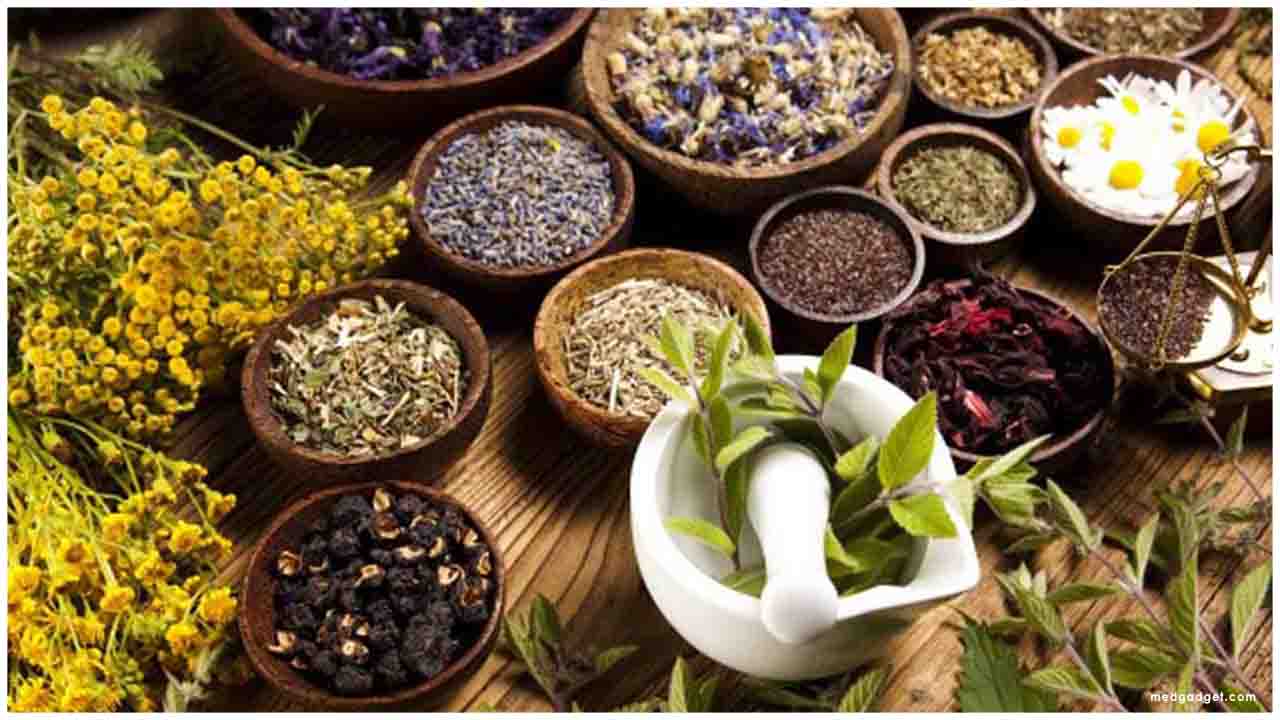
There are numerous herbs and spices that are high on medicinal properties and can be taken to take care of COVID-19 symptoms. Herbs like Haldi help in reducing inflammation and pain, also in rejuvenating the body tissues of blood and plasma. Tulsi helps combat respiratory ailments and helps in detoxification. Giloy flushes out toxins, brings down fever and reduces respiratory problems. Ashwagandha helps normalise cortisol levels, and soothe anxiety & stress, and is a natural rejuvenator and immunity booster. Mulethi helps with cough and sore throat, and also helps with liver health. These herbs also carry antiviral and antibacterial properties that safeguard us against flu-like symptoms.
Keeping the current need in mind, Butterfly Ayurveda has launched Coronalfy, an Ayurvedic medicine that is composed of herbs mentioned above, and more. It helps treat flu-like symptoms of Coronavirus. These include acute sore throat & dry cough, shortness of breath, fever, headache & bodyache. While the modern medical scientists are trying their best to find a vaccine or a cure to the virus, with the introduction of Coronafly, Ayurveda has shown how it can be used to boost the body’s immunity, help relieve pain and stress, and most importantly, proven to be an effective remedy to help treat inflammation in the body and boost respiratory health.
The research and development team have made earnest efforts in developing this polyherbal medicine, Coronafly, which is also helpful in boosting liver health and is rich in antioxidants. Coronafly capsules come packed in HDPE bottles, with 60 capsules in each bottle and are made in GMP certified premises and licensed by the State Dept. of AYUSH. Suggested dosage includes one-two capsules thrice a day in case of symptoms or as directed by a physician. In case there are no symptoms then a single capsule can be taken in a day for a month. It is to be stored in a cool & dry place, and away from direct sunlight and shouldn't be refrigerated. There are no side effects like drowsiness, dizziness, dry mouth etc. associated with this formula.






.jpeg)










.jpg)
.jpg)
.jpg)
.jpg)
.jpg)
.jpg)


.jpg)