Tuesday, October 27, 2026
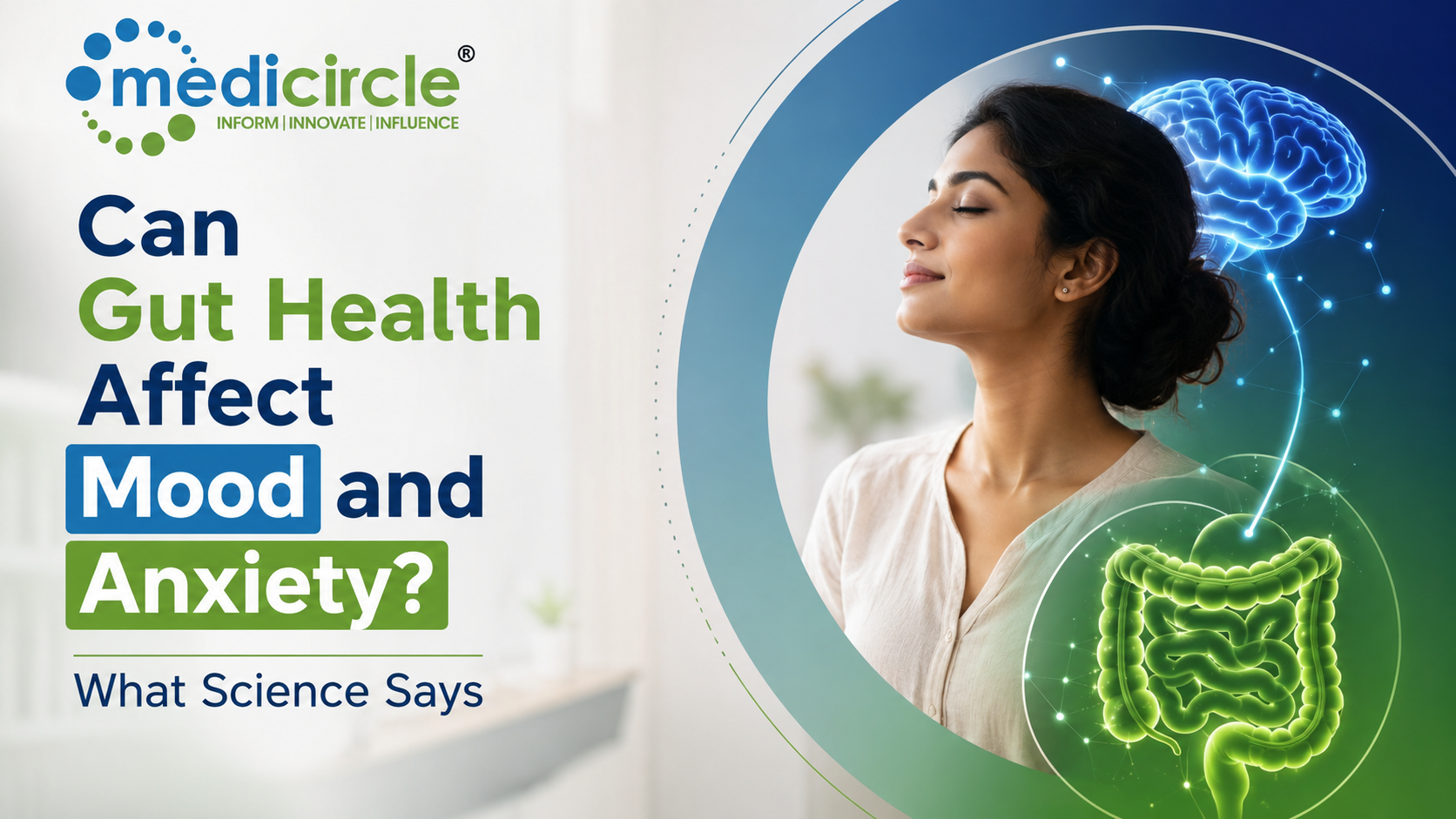
 The digestive ecosystem directly shapes emotional health through the gut-brain axis. Recognizing how microbial imbalances contribute to anxiety allows individuals to make informed choices to protect their overall well-being.




Can Gut Health Affect Mood and Anxiety? What Science Says
Many people notice a distinct tightness or a heavy fluttering in their stomach when they are under intense pressure. Few individuals consider this reaction to be more than a passing physical response to temporary everyday stress. In reality, these unique physical sensations reveal a profound, continuous conversation taking place within the human body. The complex gastrointestinal tract is responsible for far more than merely processing daily meals. Ongoing clinical investigations show that the digestive ecosystem directly shapes emotional health, playing a core role in how people experience daily stress, mood fluctuations, and anxiety.
Historically, medical practice completely separated psychological well-being from traditional digestive care. This practice resulted in sending patients to entirely different specialists depending on whether their symptoms were mental or physical. Modern clinical science has completely shifted this older medical perspective. Recent research shows that the microscopic environment in the human intestines strongly influences brain function, psychological resilience, and mood stability. For anyone seeking comprehensive health solutions, recognizing this deep biological connection provides a powerful pathway to reclaiming both physical comfort and true peace of mind.
The Gut-Brain Axis
The biochemical pathway that connects the digestive tract directly to the central nervous system is officially known as the gut-brain axis. This network is not an abstract medical concept. It is an intricate physical communication network that transmits vital biological signals between the abdomen and the brain without any interruption. The primary physical component of this large network is the vagus nerve, a massive neural highway that originates directly in the brainstem and is tightly woven throughout the digestive organs.
Neurotransmitters act as the primary chemical messengers along this complex neural pathway. These chemicals are commonly associated only with brain tissue, but the digestive tract is actually a major center for their production. For instance, scientific data reveals that the vast majority of the serotonin in the body is generated within the intestines. Serotonin is a key neurotransmitter essential for the stabilization of mood, emotional calm, and healthy sleep cycles. Consequently, any disruption to the internal balance of the digestive tract can alter the production of these chemicals, leading to noticeable changes in the emotional state of a person.
The Microbiome and Mind
Trillions of microscopic organisms reside inside the human digestive tract, forming a highly complex ecosystem called the gut microbiome. In a healthy state, thousands of different bacterial strains live together in harmony. They work as a team to break down nutrients, defend against dangerous pathogens, and maintain the strong integrity of the intestinal wall.
When this balance is thrown off, which is a medical state called dysbiosis, the negative impact reaches far beyond basic digestive complaints like gas or bloating. A sudden drop in beneficial bacteria allows harmful strains to multiply rapidly. This shift can trigger subtle, ongoing inflammation within the intestinal tissue. This localized irritation releases inflammatory molecules into the bloodstream that can pass through the protective blood-brain barrier. Once active inside the central nervous system, these molecules can alter vital brain chemistry, contributing directly to heightened feelings of anxiety and a persistent low mood.
H2: Modern Indian Lifestyles
Preserving a diverse and balanced microbiome has become a distinct challenge in contemporary Indian life. Traditional diets that once centered on whole grains, seasonal produce, and home-fermented preparations are frequently replaced by highly processed items, refined sugars, and inflammatory industrial cooking oils. This major dietary shift deprives beneficial microbes of the nutrients they need to survive, lowering overall microbiome diversity.
Simultaneously, lifestyle pressures in urban Indian settings place heavy stress on the digestive tract. Chronic professional pressure, poor sleep hygiene, and the frequent misuse of over-the-counter antibiotics disrupt the delicate microbial environment. While antibiotics are vital for treating dangerous bacterial infections, they also inadvertently destroy vast populations of helpful gut microbes. Without intentional efforts to restore these beneficial populations, the digestive system remains vulnerable to imbalances that frequently manifest as emotional exhaustion and unprovoked anxiety.
Spotting System Imbalances
Recognizing a disrupted microbiome involves looking closely at both physical signals and subtle shifts in emotional health. Because the gut and brain are linked, a problem in the digestive tract often shows up in the mood of a person.
Physical Indications
Chronic bloating, abdominal fullness, unpredictable bowel habits, and frequent acid reflux are clear signs that the digestive tract is struggling. Sudden food intolerances and intense, hard-to-control cravings for sweets or refined flour also point to an overgrowth of opportunistic, harmful bacterial strains.
Psychological Indications
Unexplained mood shifts, sudden irritability, difficulty concentrating, and a constant feeling of mental fatigue are regularly tied to poor intestinal health. When someone experiences a sudden uptick in anxiety that cannot be linked to any obvious external stressor, checking on the state of the digestive tract is a logical and helpful step.
Supporting Gut Health
Rebalancing the microbiome to cultivate mental focus and emotional calm involves a practical, systematic strategy. Modifying what you eat is the fastest and most sustainable way to transform the internal microbial environment for the better.
- Enjoy Local Fermented Foods: Including traditional Indian fermented options in your daily routine is highly effective. Fresh, home-prepared curd, which is called dahi, buttermilk, which is known as chaas, and traditional lacto-fermented pickles are packed with live, helpful bacteria that actively restore balance to the intestines.
- Prioritize Prebiotic Fibers: Helpful microbes require specific types of nourishment to multiply. Eating prebiotic-rich foods such as whole oats, garlic, onions, ripe bananas, and traditional lentils provides the complex fibers necessary to sustain healthy bacterial colonies.
- Cut Back on Refined Sugars: Diets high in processed sugar quickly feed harmful yeasts and destructive bacteria. Reducing the intake of packaged desserts, sweetened beverages, and ultra-processed snacks starches out these problematic populations, giving beneficial microbes space to rebuild.
Alongside dietary changes, managing daily psychological stress is absolutely vital. Because the gut-brain axis is a two-way street, intense emotional stress can compromise the physical lining of the intestines just as easily as poor digestion can destabilize the mind. Ensuring regular sleep patterns, staying physically active, and using simple relaxation exercises like deep breathing can calm the nervous system, creating an ideal environment for a healthy microbiome to thrive.
Seeking Professional Guidance
While adjusting your diet and lowering stress provide an excellent foundation, true recovery from chronic issues often requires specialized insight. Dealing with overlapping digestive discomfort and persistent anxiety can be highly complex, meaning general lifestyle tips may not always provide complete relief. Partnering with qualified medical experts ensures that the hidden root causes of your symptoms are accurately identified and addressed.
Figuring out the best medical path can feel intimidating, but dedicated digital health platforms like Medicircle help simplify the process by offering direct access to verified medical knowledge and specialist perspectives. By sharing trusted insights from experienced gastroenterologists, clinical dietitians, and mental health experts, these platforms help individuals take charge of their health choices. Using these resources allows patients to address physical and emotional health together, paving the way for complete, long-term healing.
Common Health Questions
How long does it take to see a noticeable improvement in mood?
The time it takes to see results varies depending on the initial health status, diet choices, and daily stress levels of an individual. Many people notice improvements in digestion and mental clarity within two to three weeks of making healthy adjustments. However, building a highly diverse and resilient microbiome generally requires maintaining these positive lifestyle habits for several months.
Can standard probiotic supplements completely cure chronic anxiety?
High-quality probiotic supplements are excellent for resetting a disrupted microbiome, especially after a person takes a course of antibiotics. However, they are not a standalone cure for clinical anxiety. Managing chronic anxiety effectively requires an integrated approach that includes nutritional adjustments, stress management, and professional medical care.
Is intermittent fasting beneficial or harmful for gut bacteria?
When a person fasts carefully and consistently, giving the digestive system structured periods of rest can help lower localized inflammation and give the intestinal wall time to repair. However, extreme or chaotic fasting methods can cause stress to the body, which can negatively impact gut microbes. Anyone dealing with severe acid reflux or metabolic concerns should speak with a doctor before changing eating windows.
Conclusion
The scientific evidence surrounding the gut-brain axis highlights an undeniable medical reality: physical health and emotional states are deeply connected. The human digestive tract does much more than simply break down nutrients; it constantly influences mood, mental stamina, and how people handle stress. By recognizing how modern diets, high pressure, and microbial imbalances contribute to anxiety, people can make informed choices to protect their well-being.
True wellness comes from viewing the body as an integrated system rather than a set of independent parts. Combining thoughtful nutrition, traditional dietary practices, and consistent stress relief creates the perfect environment for both the mind and body to thrive. When symptoms persist, using trusted health platforms and seeking professional medical support ensures a safe, effective path to lasting health.





-23-300x250.png)

.jpeg)






.jpg)
.jpg)
.jpg)
.jpg)
.jpg)
.jpg)
.jpg)
.jpg)
.jpg)