 Thursday, October 08, 2026
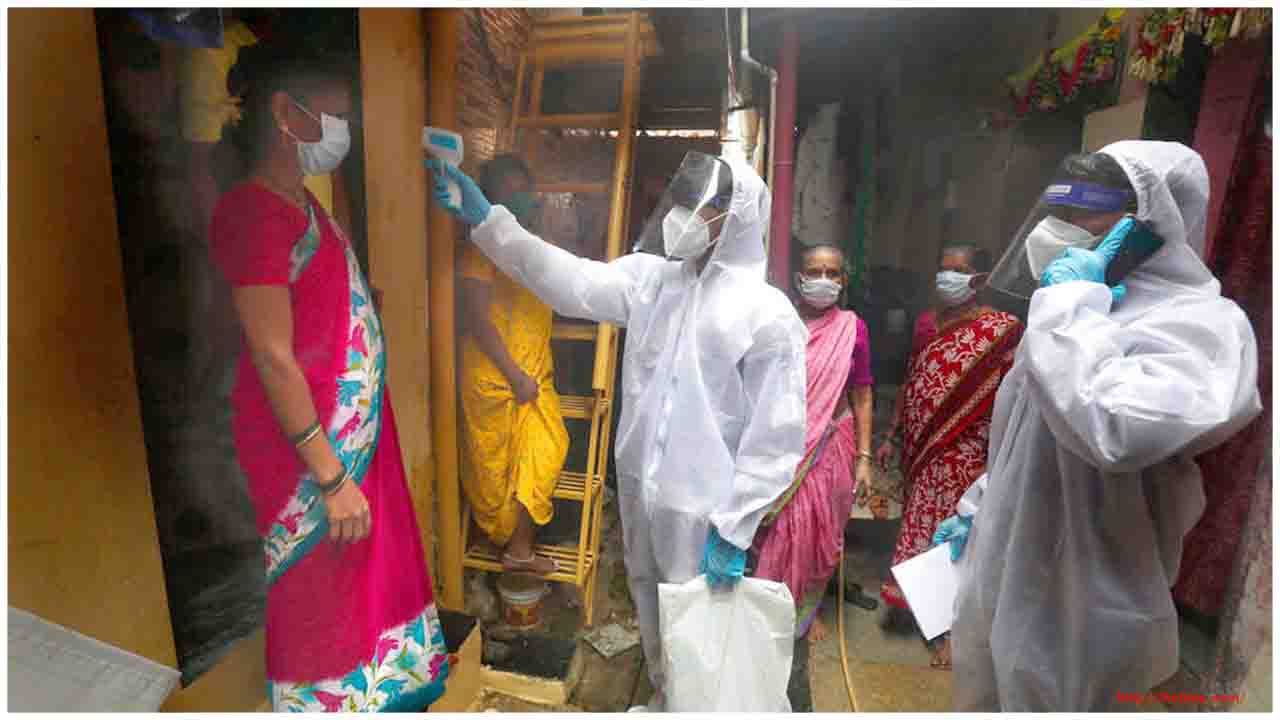
 Read on to understand what is allowed and what not from tomorrow as Unlockdown 2.0 begins




Centre has issued new guidelines for Unlock 2.0 to open up more activities in areas outside the Containment Zones. The new guidelines will come into effect from tomorrow and the process of phased re-opening of activities has been extended further. It said the lockdown will continue to be implemented strictly in the Containment Zones till the 31st of July this year. The Home Ministry has said that the new guidelines are based on feedback received from States and UTs, and extensive consultations held with related Central Ministries and Departments.
Under the new guidelines of Unlock -2, Metro Rail service, operation of Cinema halls, gymnasiums, swimming pools, entertainment parks, theatres, bars, auditoriums, assembly halls and similar places will not be allowed. Similarly, social, political, sports, entertainment, academic, cultural and religious functions and other large congregations will not be permitted. The Ministry said, dates for opening of these will be decided separately, based on the assessment of the situation. It said, all activities, except these will be permitted outside containment zones. The Ministry said, after extensive consultations with States and Union Territories, it has been decided that schools, colleges and coaching institutions will remain closed till 31st of July.
As per the guidelines, night curfew timings are being further relaxed and curfew shall be in force from 10 PM to 5 AM. Further, relaxations in night curfew have been given for the seamless operation of industrial units in multiple shifts, movement of persons and goods on National and State Highways, loading and unloading of cargo and movement of persons to their destinations after disembarking from buses, trains, and airplanes. It said, domestic flights and passenger trains have already been allowed in a limited manner and their operations will be further expanded in a calibrated manner.
It said, shops depending upon their area, can have more than 5 persons at a time. However, they have to maintain adequate physical distance.
Training institutions of the Central and State Governments will be allowed to function with effect from the 15th of July. SOP in this regard will be issued by the Department of Personnel and Training.
International air travel of passengers has been permitted in a limited manner under the Vande Bharat mission. Further opening-up will take place in a calibrated manner. The guidelines said containment Zones are required to be carefully demarcated by the State Governments with a view to containing the spread of COVID-19, after taking into consideration the guidelines issued by the Health Ministry.
Within the containment zones, strict perimeter control shall be maintained and only essential activities allowed. These Containment Zones will be notified on the websites of the concerned District Collectors and by the States and information will also be shared with the Union Health Ministry.






.jpeg)










.jpg)
.jpg)
.jpg)
.jpg)
.jpg)
.jpg)


.jpg)