 Thursday, October 08, 2026
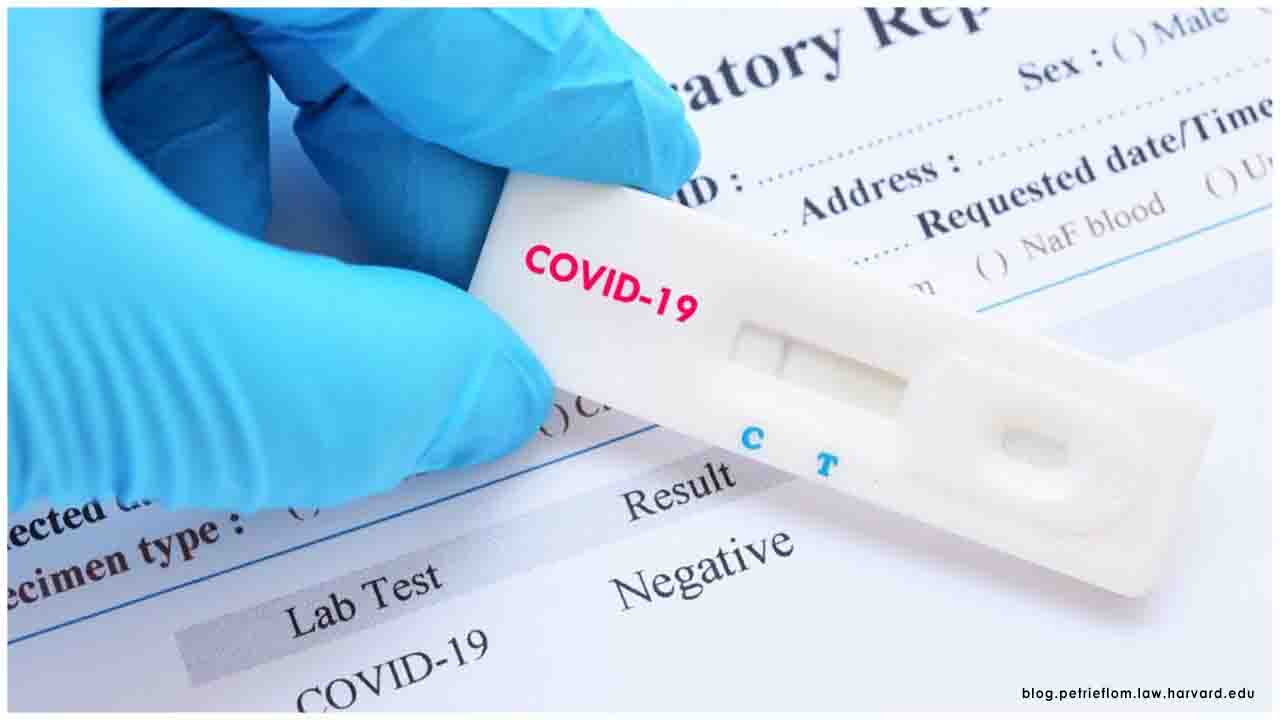
 These States have been either reporting a rise in the number of active cases i.e. those who are hospitalized or are in home isolation under medical supervision




The Union Government has decided to depute high-level Central Teams to Uttar Pradesh, Punjab and Himachal Pradesh to support the States in COVID response and management. These States have been either reporting a rise in the number of active cases i.e. those who are hospitalized or are in home isolation under medical supervision or demonstrating a rise in the daily new cases.
These three-member teams will visit the districts reporting a high number of COVID cases and support the State efforts towards strengthening containment, surveillance, testing, infection prevention and control measures, and efficient clinical management of the positive cases. The Central teams shall also guide in effectively managing the challenges related to timely diagnosis and follow up.
Earlier the Union Government has sent the high-level teams to Haryana, Rajasthan, Gujarat and Manipur, and Chhattisgarh.
India’s present active caseload (4,40,962) has further declined to 4.85% of the total Positive Cases and has been sustained below the 5% mark. The Recovery Rate has improved to 93.69% today as the country registered 43,493 new recoveries in the last 24 hours taking the total recovered cases to 85,21,617.
The gap between Recovered cases and Active cases is steadily increasing and presently stands at 80,80,655.
26 States/UTs have less than 20,000 active cases, as on yesterday.
7 States/UTs have active cases between 20,000 and 50,000 whereas Maharashtra and Kerala are reporting more than 50,000 caseloads. 77.68% of the new recovered cases are contributed by ten States/UTs.
Delhi saw 6,963 persons recovering from COVID. Kerala and Maharashtra reported 6,719 and 4,088 new recoveries respectively.
Ten States/UTs have contributed 76.81%of the new cases. In the last 24 hours, 45,209 persons were found to be infected with COVID.
Delhi reported 5,879 cases in the last 24 hours. Kerala recorded 5,772 new cases while Maharashtra reported 5,760 daily cases yesterday. 15 States and UTs are reporting less than the national average of cases per million population.
76.45% of the 501 case fatalities that have been reported in the past 24 hours are from Ten States/UTs. 22.16% of new fatalities reported are from Delhi which reported 111 deaths. Maharashtra saw a fatality count of 62 while West Bengal reported another 53.
13 States and UTs are reporting higher than the national average of fatality rate (1.46%). Whereas, 21 States and UTs are reporting lower than the national average of deaths per million (96). 14 States and UTs have more deaths per million population than the national average (96).






.jpeg)








.jpg)
.jpg)
.jpg)
.jpg)
.jpg)
.jpg)


.jpg)
.jpg)
.jpg)