 Wednesday, October 28, 2026
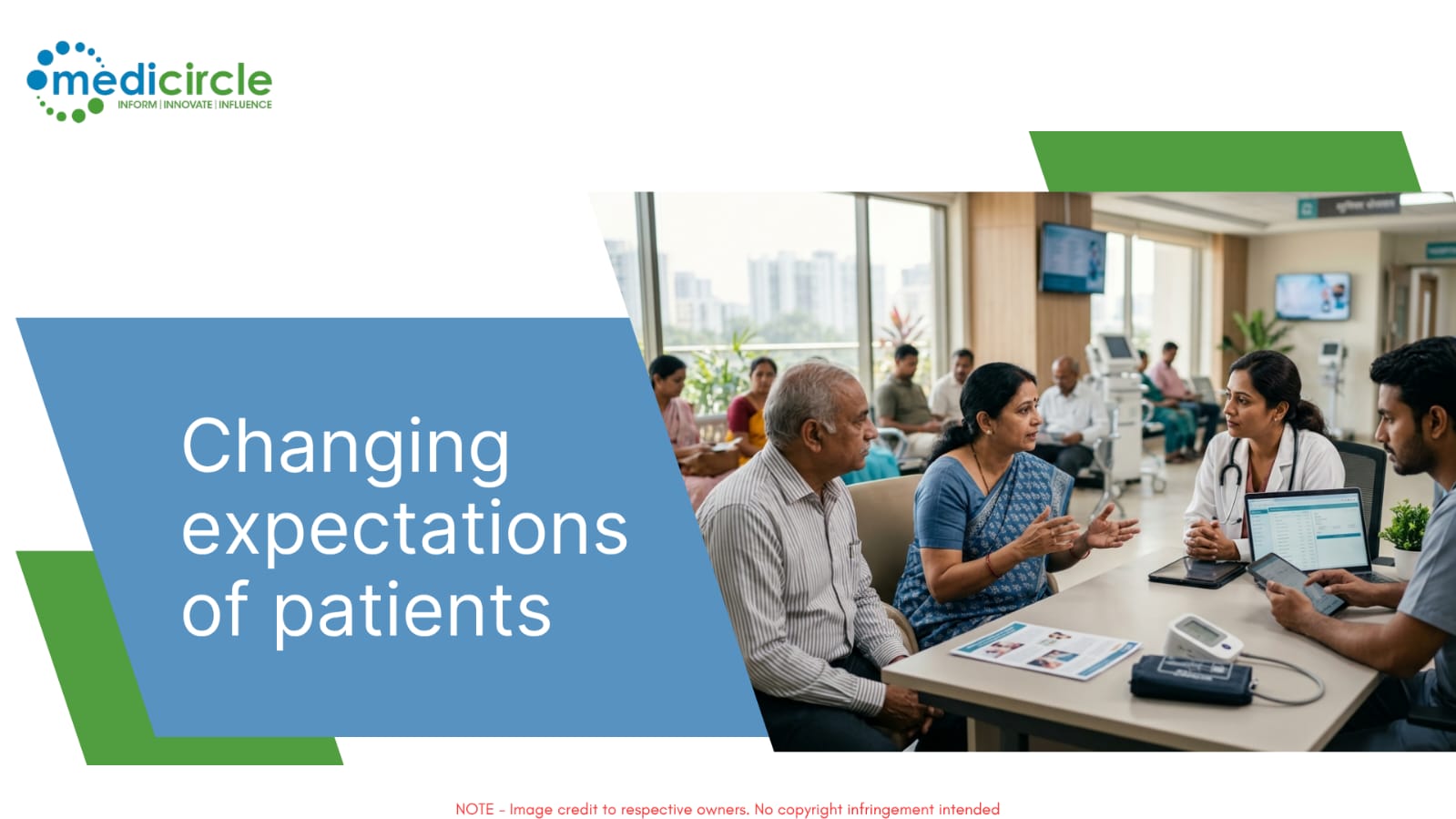
 Indian patients in 2026 demand transparent, digital, and collaborative healthcare. This shift toward preventive wellness and empathetic, technology driven service is redefining medical standards across the entire nation.




Understanding Modern Patient Expectations
The era where healthcare functioned as a one way street is quickly fading into the past. In 2026, the Indian medical landscape is witnessing a dramatic transformation. Patients are no longer just passive recipients of medical orders. They have become proactive participants in their own recovery and general well-being. This significant change is driven by better access to information, a digital first mindset, and a deeper awareness of what quality care should actually look like today.
The modern patient does not just want a medical cure. They desire an experience that is transparent, efficient, and deeply empathetic. Whether a person resides in a bustling metro like Mumbai or a developing town in Uttar Pradesh, the demand for high quality medical services is the new baseline. For healthcare providers, staying relevant now means moving beyond traditional clinical excellence. It requires a dedicated focus on the human side of this digital age.
Collaborative Care Models
Historically, the medical culture in India was built on a paternalistic model. Doctors made all the decisions and patients followed them without any question. That dynamic has flipped entirely. Today, the conversation in the consulting room is much more of a partnership.
People now arrive at their appointments having already researched their symptoms and potential treatments. They often read the latest medical studies before speaking with a professional. They are not looking to challenge the expertise of a doctor. Instead, they want to understand the logic behind every recommendation. They value professionals who take the time to explain a diagnosis in simple language. Patients prefer to be involved when choosing the best path forward for their health.
An Informed Public
Increased health literacy is a massive game changer. Before even stepping foot in a clinic, patients are checking online reviews. They verify the success rates of a surgeon and compare the costs of various procedures. This push for transparency is forcing the industry to be more open about everything. Healthcare centers must now disclose the side effects of medications and provide itemized costs on every hospital bill. When patients feel informed, they feel empowered. This leads to better trust and higher compliance with treatment plans.
The Digital Revolution
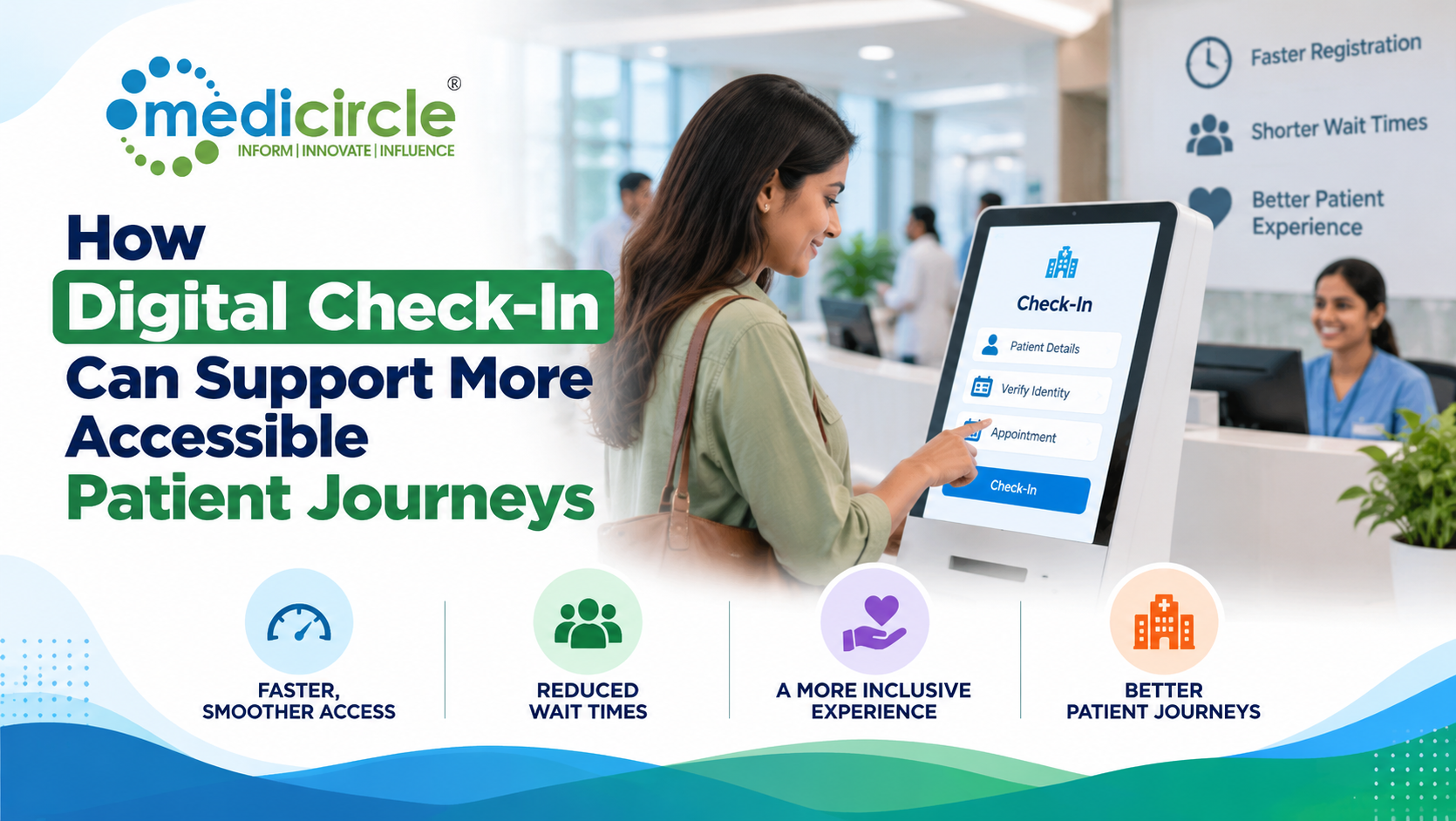
In 2026, convenience is a major currency in healthcare. The frustration of standing in long queues is no longer something patients are willing to tolerate. They do not want to spend hours in a crowded waiting room. They expect the same digital ease they get from online shopping or mobile banking.
Digital integration is now a basic necessity for every clinic. Patients want to book their slots through a mobile application. They expect to receive their diagnostic reports on digital messaging platforms. Having an entire medical history stored securely in the cloud is a top priority. Carrying around heavy folders of physical papers is becoming a thing of the past. A seamless and paperless experience is now one of the primary ways a patient judges a facility.
Care beyond Borders
Telemedicine has transitioned from a temporary necessity to a permanent lifestyle choice. For a busy professional or a family in a rural village, the ability to consult a specialist via video call is invaluable. It saves significant time and reduces travel costs. It ensures that geography is no longer a barrier to receiving expert medical advice.
Focus on Wellness
There is a beautiful shift happening across India. People are starting to value staying healthy just as much as getting better after an illness. We are seeing a move toward preventive healthcare. Regular screenings and nutritional counseling are now part of a standard routine.
Patients are now looking for healthcare partners who can help them manage their lifestyle. They want to prevent chronic issues like heart disease or diabetes before they start. Furthermore, the conversation around mental health has opened up significantly. Patients now expect their healthcare providers to acknowledge emotional well-being. They seek a more holistic approach to their overall health.
Human Touch Importance
Despite all the applications and automated diagnostics, the core of healthcare remains deeply personal. Technology can make things faster, but it cannot replace genuine empathy. Patients in India place immense value on how they are treated by the staff. This includes everyone from the front desk to the nursing team.
Simple things like a kind tone and a welcoming environment make a lasting impression. A doctor who makes eye contact rather than just looking at a computer screen is highly appreciated. In an increasingly automated world, the hospitals that prioritize emotional support will stand out. Clear communication is the key to earning long term patient loyalty.
Frequently Asked Questions
Why are Indian patients more informed now?
It is not about being demanding. More medical information is available online today. Patients want to ensure they are receiving the best possible care for their families. They want to understand the reasoning behind their specific treatment.
Is digital record keeping safe?
Yes, most modern health platforms use advanced encryption to protect patient data. Digitizing your records actually makes them safer. They are much easier to access during emergencies than physical papers.
What defines a modern provider?
Look for a provider that offers clinical expertise and digital convenience. This includes online booking and easy access to reports. They should also demonstrate a willingness to engage in open and transparent communication.
Conclusion
The evolution of patient expectations is a sign that the healthcare system in India is maturing. While the transition to a patient centric model comes with challenges, the results are worth the effort. There is now more transparency and better access for everyone.
As we look toward the future, the most successful healthcare providers will be those who listen carefully. By combining the latest technology with genuine compassion, we can improve lives. We can create a healthcare environment that truly puts the patient first.





-23-300x250.png)

.jpeg)


.jpg)
.jpg)
.jpg)
.jpg)
.jpg)
.jpg)
.jpg)
.jpg)
.jpg)

