 Sunday, October 11, 2026
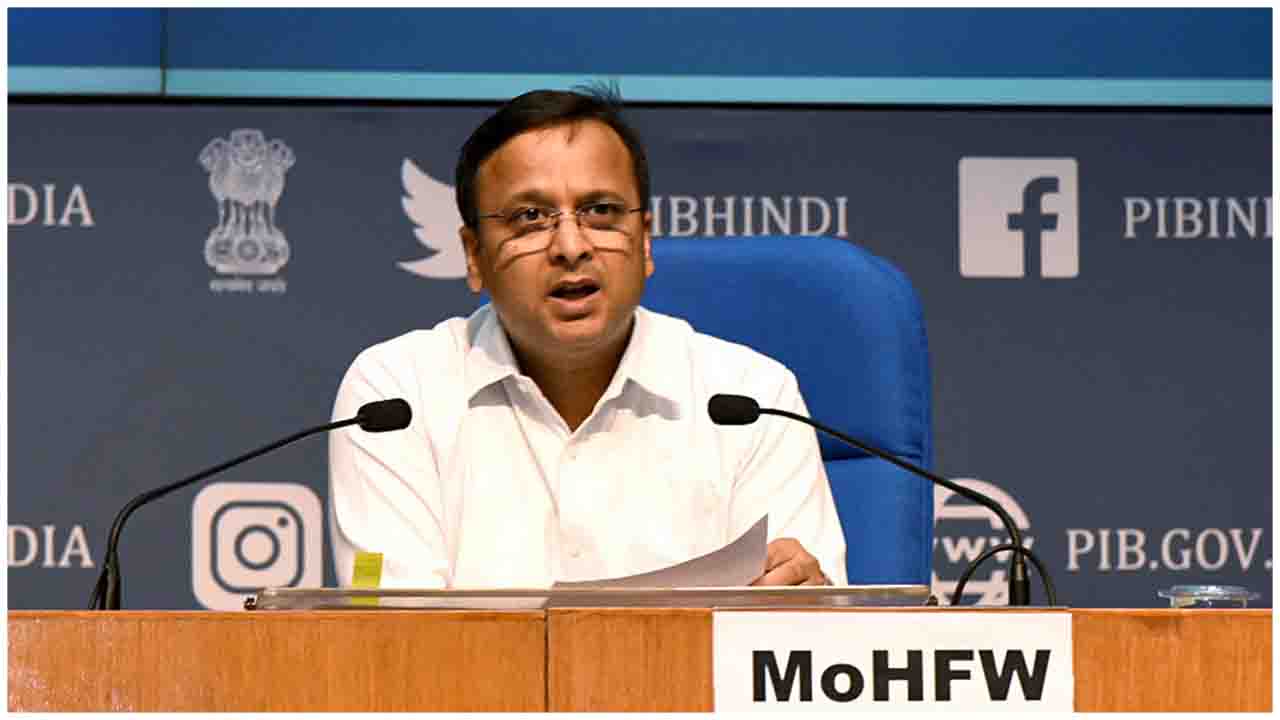
 Better recovery rate is due to the lockdown, claims health ministry




Health and Family Welfare Ministry said that a total of 64 thousand 426 people affected with coronavirus have been cured and the recovery rate has reached 42.45 percent in the country. During the last twenty-four hours, three thousand 935 people have recovered and six thousand 387 fresh cases of Covid-19 have been reported taking the total number of cases to one lakh 51 thousand 767. Health Ministry said, 170 deaths have been registered in the last 24 hours taking the nationwide toll to four thousand 337.
Health Ministry added that lockdown has garnered multiple gains and primarily it has decelerated the pace of spread of the disease. According to the estimates made by the Ministry of Statistics and Programme Implementation, a large number of deaths and cases have been averted.
At the same time, during the lockdown period, development of COVID-19 specific health infrastructure, increased testing capacity, vaccine research and on the technical side surveillance systems strengthened with more contact tracing, house to house surveys along with tools like Aarogya Setu was achieved.
The Ministry said the government is taking several steps along with the States and Union territories for prevention, containment, and management of COVID-19. It said the health infrastructure required for COVID-19 management was ramped up during the lockdown.
More than nine hundred dedicated COVID hospitals with over one lakh 58 thousand Isolation beds, over 20 thousand ICU beds, and around 70 thousand Oxygen supported beds are available. The Centre has also provided over one crore 13 lakh N95 masks and around 90 lakh Personal Protective Equipment to the States and Union territories.
Health Ministry said the fatality rate is 2.86 percent whereas the world average is 6.36 percent.
Meanwhile, Health Minister Dr. Harsh Vardhan reported yesterday, Aarogya Setu has become the world's largest contact tracing app reaching over 11 crores 40 lakh people in 40 days. In a series of tweets, the Minister said, the App is a classic example of coordination between government, industry, and citizens. He said the iOS version of the open-source app will be released in the next two weeks.
Dr. Harsh Vardhan said, the use of the app is continuously increasing and people are benefiting from it. He said, two crore people downloaded this App in Uttar Pradesh and 82 people infected with COVID-19 were detected there through this app. He added that 3,000 hotspots have been identified in the country via this app.
The government launched the Aarogya Setu mobile app on the 2nd of April to help augment the efforts of limiting the spread of COVID-19. The app is available in 12 languages and on Android, as well as iOS platforms. The key pillars of Aarogya Setu have been transparency, privacy, and security. In line with India’s policy on Open Source Software, the source code of Aarogya Setu has now been made open source.
So far, the platform has reached out to more than nine lakh users and helped them for quarantine, caution, or testing. Amongst those who were recommended for testing, almost 24 percent of them have been found COVID-19 positive.






.jpeg)










.jpg)
.jpg)
.jpg)
.jpg)
.jpg)
.jpg)


.jpg)