 Sunday, September 20, 2026
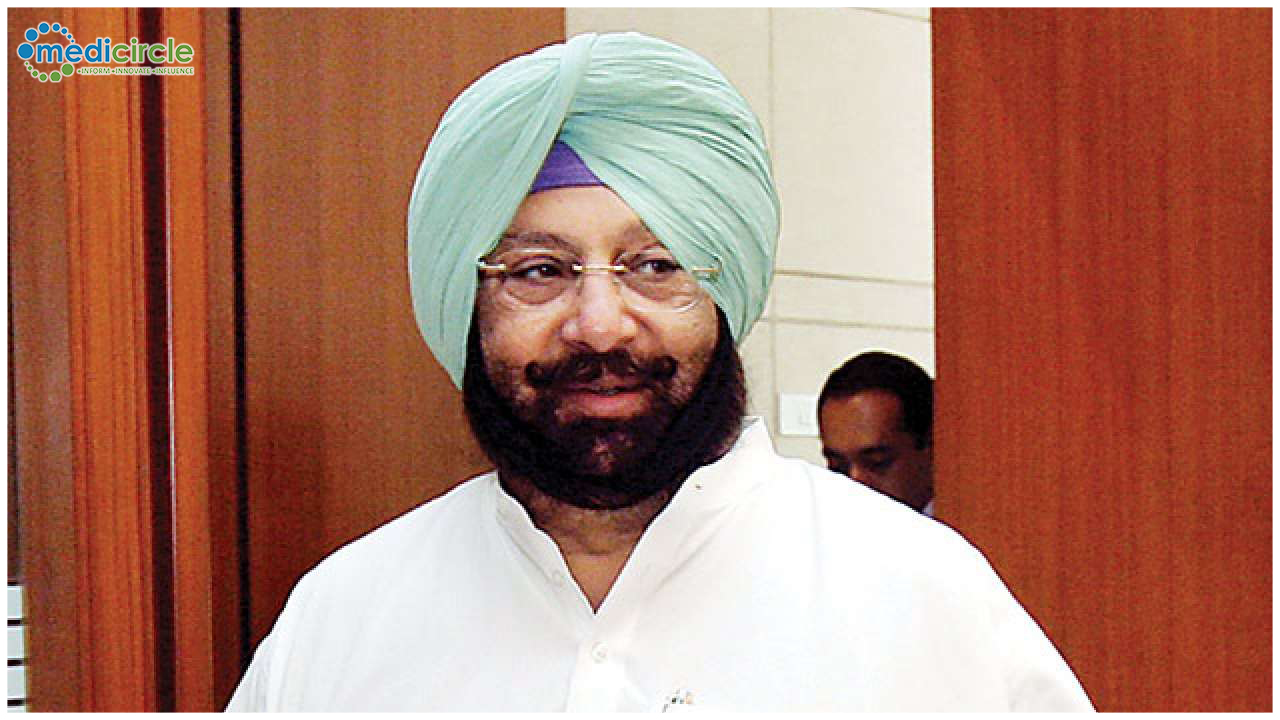
 Deputy commissioner of each district is authorised to take action as per the notification for COVID-19 in the area of jurisdiction of the district,




To contain the spread of coronavirus, Punjab government has asked people who have travelled to a country or area from where COVID-19 is being reported to self report to the nearest government hospital so that necessary action can be undertaken by the health department.he decision was taken at a state cabinet meeting held here under the chairmanship of Chief Minister Amarinder Singh. The cabinet took stock of the situation triggered by the global epidemic, even as two positive cases of the novel coronavirus — one in Delhi and another in Telangana — have been reported in the country.
The state government also approved the Punjab Epidemic Diseases, COVID-19 Regulations, 2020 under the ambit of sections 2, 3 and 4 of the Epidemic Diseases Act, 1897 to combat the menace of the virus, the statement said.
According to a notification approved by the cabinet, no private laboratory has been authorised to take or test sample of COVID-19 or coronavirus in the state. No person, institution or organisation will use any print or media in any form, for giving information on COVID-19 without prior permission of the Department of Health and Family Welfare, Punjab.
Spread of any rumours or unscientific information regarding COVID-19 will be a punishable offence under the notification, said the statement. The state cabinet also announced that all hospitals in the state have been directed to take a suspected patient’s history of travel to any country or area from where the spread of the disease is being reported, and also the history of coming in contact with a suspected or confirmed case of COVID-19, along with cases of respiratory tract infections or those presenting with symptoms similar to coronavirus.
If there is any history of travel or contact with a case of COVID-19 in the last 14 days of development of symptoms, the person has to be kept in hospital isolation and the Department of Health has to be informed immediately by that doctor, hospital or clinic.
Any person having travelled to a country or area from where COVID-19 is being reported has to self-report to the nearest government hospital or call at helpline number 104 to inform about the travel details so that necessary action could be undertaken by the health department, the statement said.
The health department will have rights to admit a person and isolate, if he has visited an area where coronavirus is endemic and is symptomatic, in consultation with deputy commissioner of the district concerned, it said. In case COVID-19 is reported from a defined geographic area, the district administration will have rights to implement containment measures in order to prevent the spread of the disease.
Deputy commissioner of each district is authorised to take action as per the notification for COVID-19 in the area of jurisdiction of the district, the statement said. A committee shall be constituted and notified by the Department of Health and Family Welfare under the chairmanship of deputy commissioner involving SSP, civil surgeon and other officers of the district to take decision for measures for containment of COVID-19.
Source NDTV





.jpeg)


.jpg)



.jpg)
.jpg)
.jpg)
.jpg)
.jpg)
.jpg)


.jpg)
.jpg)
.jpg)
.jpg)