 Friday, November 20, 2026
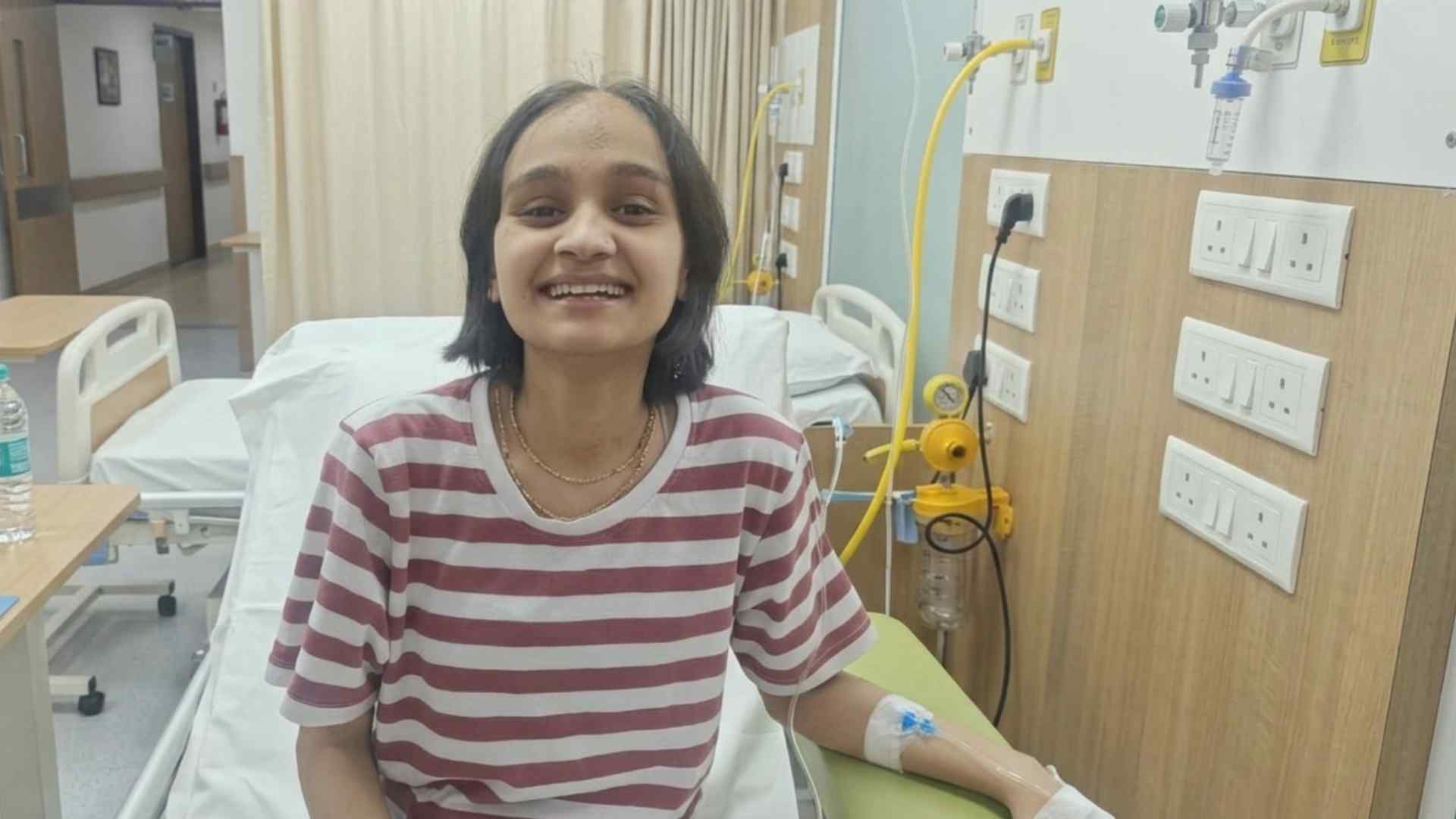
 Teen battled advanced Stage 3 Ewing’s Sarcoma, a rare and aggressive bone cancer affecting nearly one in a million people globally.





New Delhi, 14 May, 2026: Doctors at Fortis Shalimar Bagh, successfully treated a critically ill 17-year-old teenaged girl diagnosed with Stage 3 Ewing’s sarcoma - a rare and aggressive bone cancer, through a multi-disciplinary treatment approach, involving intensive critical care and timely initiation of chemotherapy. Ewing’s Sarcoma is an extremely rare with an estimated annual global incidence of approximately one in a million people worldwide. The team of doctors, led by Dr. Suhail Qureshi, Additional Director and Unit Head, Medical Oncology, Fortis Hospital Shalimar Bagh, successfully treated the patient despite her life-threatening cancer and severe respiratory complications.
The patient had been suffering from progressive breathlessness and increasing upper back swelling for over a year. During this period, she had been undergoing alternative therapies from other private doctors, without relief, leading to progression of cancer to an advanced stage. As her symptoms got worse, she was immediately admitted at Fortis Shalimar Bagh in an extremely critical condition.
At the time of admission, she was in septic shock with severe hypoxia (critically low blood oxygen levels) and hypotension (low blood pressure), which required ICU care, ventilatory support and inotropic drugs to maintain her blood pressure. Detailed investigations revealed that the patient’s right lung was completely occupied by a large cancerous tumor originating from the ribs. The tumour had pushed vital structures in the chest to the opposite side, leaving her dependent on a single functioning lung.
Additionally, she was in severe respiratory distress, had low blood pressure requiring immediate ventilatory support. Given her unstable condition, she was initially unfit to undergo chemotherapy, however, after stabilizing her with intensive care support, IV antibiotics, and ventilatory assistance for 8-10 days, the medical team at the hospital-initiated chemotherapy in the ICU under strict monitoring while the patient remained on ventilatory support.
Over the next 15 days, the patient showed remarkable improvement and was gradually weaned off respiratory support. Subsequent investigations, including PET scan, confirmed that the disease was localized to the chest, significantly improving her prognosis and chances of recovery with continued treatment.
Giving details of the case, Dr Suhail Qureshi, Additional Director and Unit Head Fortis Hospital, Medical Oncology, Shalimar Bagh said, “Ewing’s sarcoma, though rare, is an aggressive but potentially curable cancer when diagnosed and treated in time through evidence-based manner. In this case, the patient presented in an extremely critical condition, with advanced disease leading to complete compromise of one lung, severe respiratory distress, septicemia, and hemodynamic instability. One of the biggest challenges was the need for prolonged ventilatory support and intensive critical care, which significantly increases the risk of complications such as hospital-acquired infections, multi-organ dysfunction, and delayed recovery. Initiating chemotherapy in such an unstable patient is always a high-risk decision, as it can further suppress immunity and worsen existing infections. However, with meticulous ICU management, aggressive infection control, and continuous monitoring, we were able to stabilize her and safely begin treatment. Early diagnosis and multidisciplinary intervention remain the key to improving survival outcomes in Ewing’s sarcoma.”
Mr. Naveen Sharma, Facility Director, Fortis Hospital Shalimar Bagh said, “These rare and complex cases highlight Fortis’ expertise in managing such cases through close collaboration between multidisciplinary team. This case underscores Fortis Hospital Shalimar Bagh’s commitment to advanced oncology care, critical care excellence, and patient-centric treatment through a collaborative medical approach.”





-23-300x250.png)





















