 Monday, October 05, 2026

 On the occasion of World Heart Day, observed globally on September 29, CARE Hospitals calls for urgent attention to the rising burden of heart disease in India.




Hyderabad, 28th September, 2025: On the occasion of World Heart Day, observed globally on September 29, CARE Hospitals calls for urgent attention to the rising burden of heart disease in India. Cardiovascular diseases remain the leading cause of death worldwide, claiming nearly 18 million lives annually, and in India they account for over one in four deaths. With heart failure affecting millions and a growing number of younger adults experiencing sudden cardiac events, the need for awareness and preventive action has never been greater.
Key risk factors for heart disease include unhealthy diet, physical inactivity, lack of sleep, tobacco use, excessive alcohol consumption, high blood pressure, high blood sugar, high cholesterol, and obesity. Warning signs such as chest pain, breathlessness, extreme fatigue, irregular heartbeat, or pain in the jaw, back, arms, or legs should never be ignored. Doctors emphasize that early detection through regular health check-ups and screenings can save lives, particularly among the younger population where silent risk factors often go unnoticed.
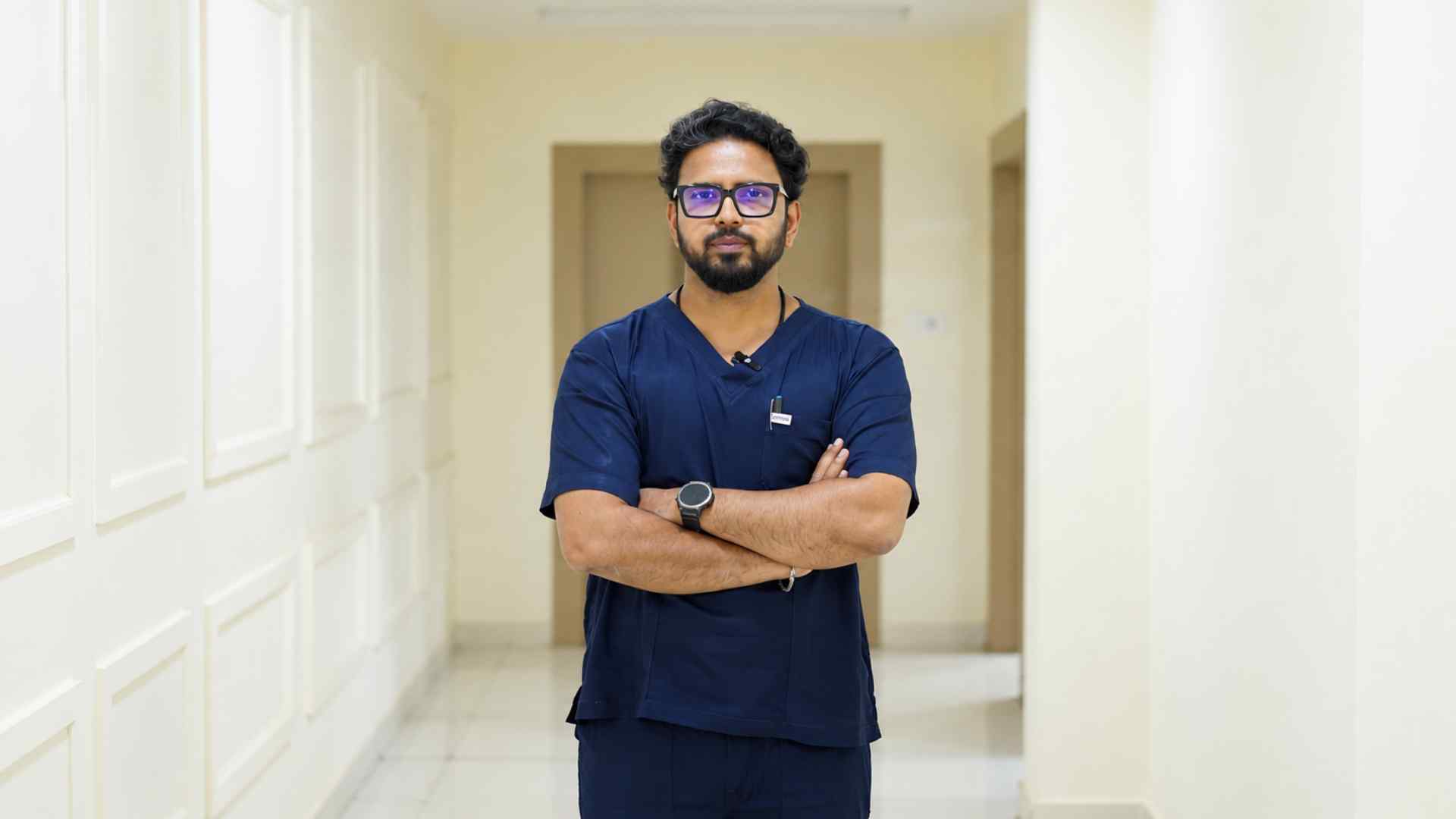
“Heart disease is no longer confined to older adults. We are increasingly seeing young professionals and even college-going students come in with heart attacks linked to stress, poor lifestyle, and unchecked risk factors. Awareness, prevention, and timely medical intervention are key to reversing this alarming trend,” said Dr. V. Vinoth kumar
Sr. Consultant Interventional Cardiologist, CARE Hospitals, Hitech City, Hyderabad
“Once symptoms of heart failure or advanced heart disease develop, the quality of life deteriorates rapidly and the chances of survival reduce significantly. In India, one in four patients with heart failure may not survive beyond the first year of diagnosis. Public education, regular screenings, and consistent adherence to treatment can make the difference between life and death,” added Dr. V. Vinoth kumar.
This year’s World Heart Day theme, “Don’t Miss the Beat”, reinforces the importance of proactive heart care. CARE Hospitals is committed to leading this effort by offering preventive health programs, advanced diagnostic facilities, round-the-clock emergency care, and holistic rehabilitation for patients with cardiovascular disease.
Many young people today are experiencing sudden cardiac events due to lifestyle-related risk factors. CARE Hospitals is committed to raising awareness and providing preventive care. This World Heart Day, we encourage everyone to prioritize their heart health.
About CARE Hospitals:
CARE Hospitals is a part of Quality Care India Ltd. (QCIL), backed by Blackstone, with the vision to become the largest hospital chain in India through continuous investments in Talent, Technology, and Infrastructure. Along with CARE Hospitals, QCIL also operates two more leading healthcare chains — Evercare Bangladesh and KIMSHEALTH Kerala.
CARE Hospitals, one of India's leading healthcare providers, is committed to delivering world-class medical services across a range of specialties. With a strong focus on patient-centric care, innovation, and community health initiatives, CARE Hospitals continues to play a pivotal role in advancing healthcare standards in India. CARE Hospitals Group operates 17 healthcare facilities serving 7 cities across 6 states in India. The network has its presence in Hyderabad, Bhubaneswar, Visakhapatnam, Raipur, Nagpur, Indore & Aurangabad. A regional leader in South and Central India and counted among the top 5 pan-Indian hospital chains, CARE Hospitals delivers comprehensive care in over 30 clinical specialties, with over 3000+ beds.






.jpeg)
.jpg)
.jpg)
.jpg)
.jpg)
.jpg)
.jpg)





.jpeg)
.jpeg)
.png)