Saudi Arabia to start inoculating young people aged 12 to 18 yrs against COVID-19


Deprecated: strlen(): Passing null to parameter #1 ($string) of type string is deprecated in /home/medicircle/public_html/script_newsdetails.php on line 75
▴
Arab News reports that Saudi Arabia would soon complete the vaccination process

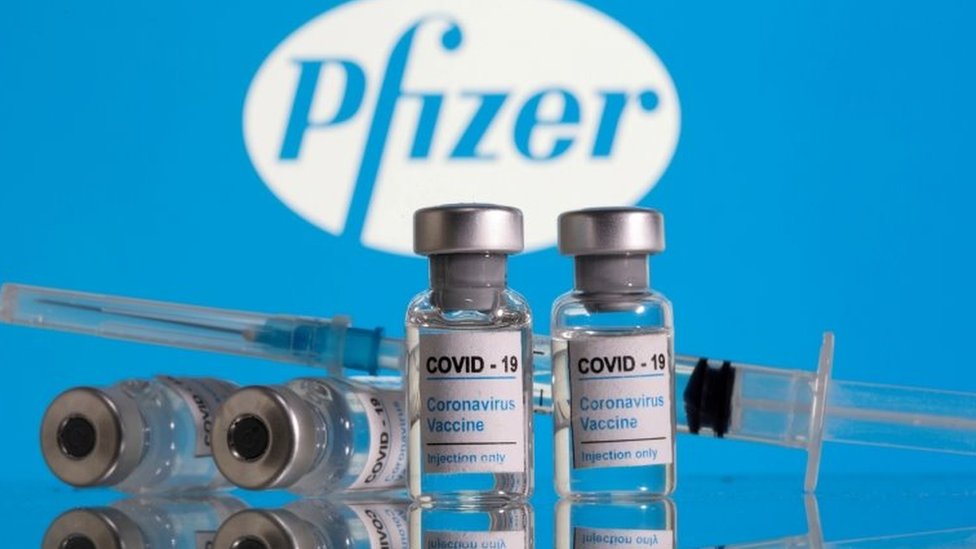
Saudi Arabia will start inoculating young people aged 12 to 18 years against COVID-19 with the Pfizer-BioNtech vaccine.

After approval of the Food and Drug Authority, Saudi Arabia’s Ministry of Health on June 28 announced that the kingdom will start inoculating young people aged 12 to 18 against COVID-19 with the Pfizer-BioNTech vaccine.

According to Arab News, the Saudi MoH said that the step comes as a continuation of its efforts to expand the inoculation process. The kingdom also informed that currently 70 per cent of the adult population has been vaccinated against the virus, according to progress in community coverage, priority categories and availability of vaccine supplies.


On Sunday, Saudi Arabia confirmed 15 new COVID-19 related deaths, raising the total number of fatalities to 7,775. The Saudi MoH also reported 1,128 new confirmed cases in the kingdom in the previous 24 hours, taking the toll to 483,221. Of the total number of cases, 11,190 remain active and 1,440 in critical condition.

According to the ministry, the highest number of cases were recorded in Makkah with 369, followed by the capital Riyadh with 255, the Eastern Province with 206, Asir recorded 140, and Jazan confirmed 67 cases. The officials also announced that 1,252 patients had recovered from COVID-19, bringing the total number of recoveries in the Kingdom to 464,256. They even renewed their call on the public to register to receive the vaccine and adhere to the measures and abide by instructions.


Tags : #SaudiArabia #Emirates #PfizerVaccine #Pfizer #BioNTech #Makkah

About the Author


Team Medicircle

Related Stories

Loading Please wait...

-Advertisements-


Trending Now

The Value of Risk Communication in Public HealthOctober 08, 2026
What Makes a Reliable Health Screening Programme?October 08, 2026
How Language Access Can Improve Patient Communication in Indian HealthcareOctober 07, 2026
Why Health Literacy Matters in Preventive HealthcareOctober 07, 2026
Improving Follow-Up After Diagnostic Testing: Where Systems Commonly Break DownOctober 07, 2026
How Community Health Workers Support Preventive Care DeliveryOctober 07, 2026
AI in India's Emergency Departments: Reducing Diagnostic DelaysOctober 06, 2026
AI and Patient Consent in India: Who Is Responsible?October 06, 2026
Wearable Technology in Pregnancy: Benefits and LimitsOctober 06, 2026
Remote Monitoring for High-Risk Pregnancies in IndiaOctober 06, 2026
Fortis Escorts Faridabad Launches ‘Sehat Express’ Mobile Bus for Accessible Doorstep Cancer Screening in association with Faridabad Industries Association Charitable Society and Rotary Club FaridabadOctober 05, 2026
Advanced Thrombectomy Saves 60-Year-Old Woman After Severe Heart Attack at KIMS SaveeraOctober 05, 2026
Constipation, Bloating and Long Sitting Hours: Doctors at RG Hospitals Delhi Warn Urban Professionals Not to Ignore Gut ProblemsOctober 05, 2026
Fermenta – Centre of Excellence for Food Fortification Inaugurated at NIFTEM-T, ThanjavurOctober 05, 2026
Alzheimer’s Dementia: Recognising the Signs, Diagnosing Earlier and Changing the Future of Brain HealthOctober 05, 2026
Man Matters Hairfall Case Study 2026: 7 Lakh+ Consultations Reveal How Hair Loss Changes With AgeOctober 05, 2026
Medication Reconciliation: A System-Level Step for Safer Transitions of CareOctober 05, 2026
The Role of Clinical Pharmacists in Safer Medication UseOctober 05, 2026
Nanavati Max Hospital Hosts Max Cancer Congress 2026, Bringing Together Oncology Experts to Explore the Future of Cancer Care October 01, 2026