 Thursday, October 08, 2026
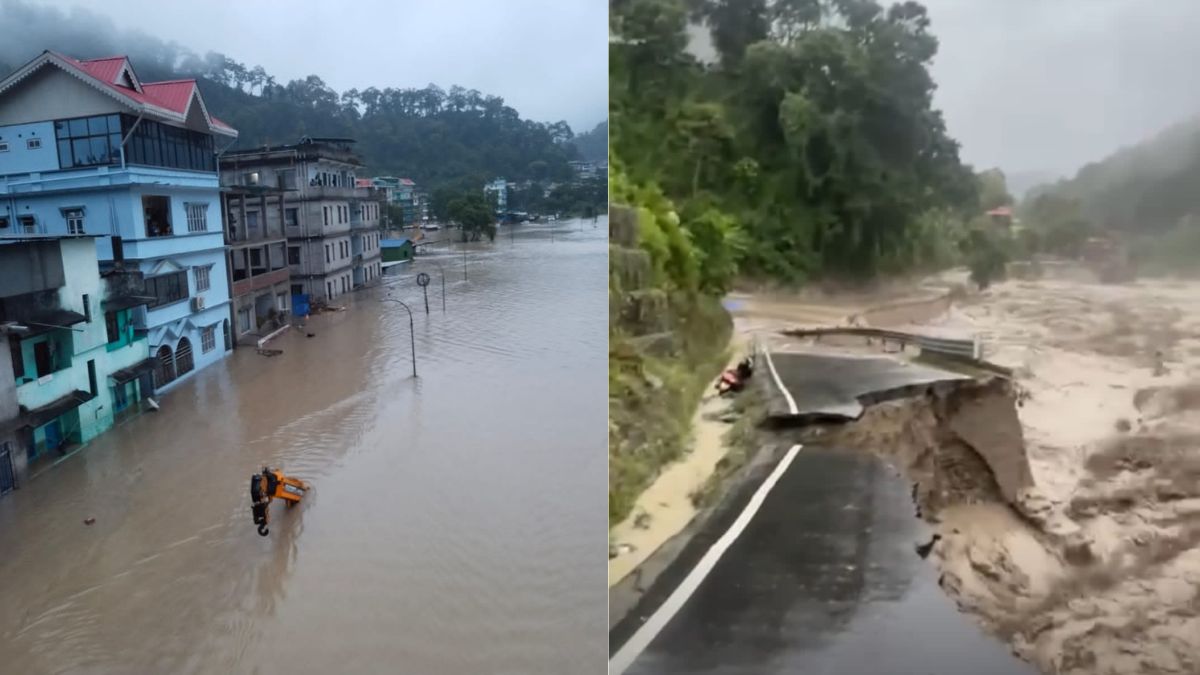
 A Cloudburst of Flood occurred in Sikkim's Teesta River, causing the disappearance of 23 Army Soldiers, An intense search operations are going on by our Army.




In a tragic outburst of Floods, that occurred in Sikkim's Teesta River, 23 soldiers, went missing and their fate is uncertain. The Army has gone through thick and thin to find their missing soldiers. However, the Sikkim government has also issued a high alert within the region.
Statement Released by an Army's Eastern Command
An army commander revealed some facts in a recent chat, The commander reported that "the water level of the Chungthang Dam reached high up to 15-20 feet, This affected the Army jawans who were stationed in the near affected region. 23, of them army Jawans have been missing, currently the search operations are going on." He added.
Moreover, beyond the significant devastation, the health implications for the missing soldiers are a topic of concern.
1. Exposure to cruel Environmental Conditions:
The soldiers who have gone missing are likely exposed to extreme environmental conditions. Prolonged exposure to wet and cold environments can lead to hypothermia, which is a serious health risk. The plummeting temperatures in flooded areas make it crucial to locate and rescue the missing soldiers swiftly to prevent further health deterioration.
2. Waterborne Diseases:
Floodwaters can be contaminated with various pathogens, including bacteria, viruses, and parasites. The missing soldiers are at a heightened risk of contracting waterborne diseases such as cholera, typhoid, and gastrointestinal infections. Immediate medical attention and access to clean water are imperative to mitigate these risks.
3. Traumatic Injuries:
During a flood, there's a high likelihood of injuries due to the turbulent and unpredictable nature of the water. The missing soldiers might have sustained injuries, ranging from minor cuts to severe trauma. Timely medical intervention is essential to prevent infections and complications associated with these injuries.
4. Mental Health Impact:
The uncertainty and distress caused by the disappearance of fellow soldiers can have a profound impact on the mental health of the surviving troops. Anxiety, depression, and post-traumatic stress disorder (PTSD) are common mental health issues that can arise in such traumatic circumstances. Psychosocial support and counselling services are vital to helping the soldiers cope with the emotional toll of the event.
5. Search and Rescue Efforts:
Efforts are underway to locate and rescue the missing soldiers in our Army. A coordinated search and rescue operation is in progress. The success of these efforts is crucial not only for the soldiers' safety but also to minimize the potential health risks they face.
Reportedly, the cloudburst overflowed from Lhonak Lake which is in North Sikkim and caused a high overflow in the Teesta River
In conclusion, the flood outburst in Sikkim has not only devastated the region but has also placed the missing soldiers in a perilous health situation. Urgent and concerted efforts are necessary to locate and rescue them, ensuring that they receive immediate medical attention and support to safeguard their health and well-being. Additionally, The Sikkim government has taken full charge to protect and secure the local residents by issuing high alerts.





.jpeg)










.jpg)
.jpg)
.jpg)
.jpg)
.jpg)
.jpg)


.jpg)