 Saturday, November 21, 2026
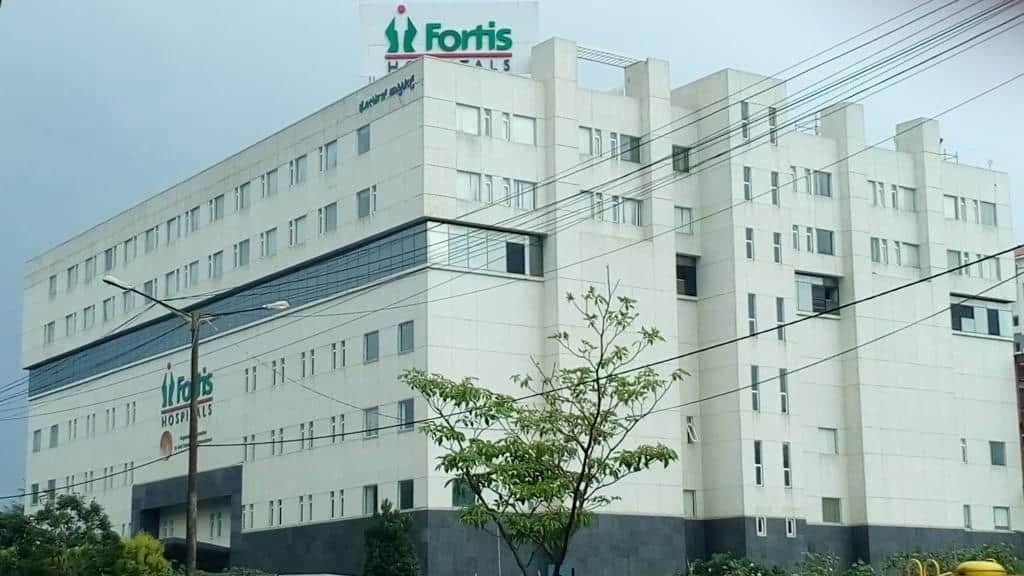
 The campaign trained around 4,000 participants across hospitals and community venues.





Bengaluru, 25th November, 2025: In a landmark step to strengthen community emergency response and preparedness, Fortis Hospitals, Bengaluru today launched a CPR awareness and training drive under its ongoing ‘Fortis Hai Na’ campaign. The initiative aims to equip citizens with critical life-saving skills, reinforcing the message that in any emergency — Fortis is there.
The coordinated drive was simultaneously conducted across all Fortis hospitals in India, with participation from two Gleneagles hospitals, making it the largest-ever CPR training initiative undertaken by the network. Together, the campaign trained over 4000 participants across hospitals and community venues.
Each 90-minute session included a hands-on demonstration of CPR techniques, choking rescue methods, and an interactive Q&A led by emergency medicine specialists, trained nurses, and certified CPR instructors. The participants also received a Certificate of Participation and a First Aid Booklet outlining key emergency response steps.
Extending beyond hospital premises, the sessions were organised in collaboration with Resident Welfare Associations (RWAs), corporates, schools, gyms, and local institutions. Around 26 people participated from Meenakshi Residency Apartments, Arekere, Bannerghatta Road; 35 from Leelavati Multispeciality Hospital Pvt. Ltd., Chamrajpet, Cunningham Road; 25 from KRS Endeavours Apartment, RR Nagar, Nagarbhavi; and 65 people took part in the community CPR training session conducted at the Ford Showroom, Magadi Road, Nagarbhavi. The goal is to take life-saving knowledge directly to communities, reaching students, corporate employees, fitness trainers, traffic police, taxi drivers, and first responders, to create a more confident and capable public ready to act during emergencies.
Dr Ritu Garg, Chief Growth & Innovation Officer, Fortis Healthcare said, “Emergencies can happen anywhere—at home, in the workplace, or on the road. Through this CPR training drive, we want to empower every individual with the confidence to respond effectively in those crucial first moments before medical help arrives. This initiative is at the heart of our ‘Fortis Hai Na’ commitment—building trust and preparedness within the community.”
Dr Ananth Rao, VP & Business Head, Fortis Hospitals, Bengaluru, said, “In an emergency, every second counts. When the heart stops, the immediate response of bystanders can make all the difference. CPR is not just a medical skill, it’s a life skill that everyone should know. Studies show that nearly 80% of cardiac arrests occur outside of hospitals, meaning the chances of survival depend on immediate bystander intervention. However, less than 2% of Indians are trained in CPR (Cardiopulmonary Resuscitation), compared to 18% in Western countries. This lack of training and awareness significantly reduces the survival rate. By training thousands of citizens in CPR and basic life support, we aim to build a nationwide network of first responders.”
The ‘Fortis Hai Na’ campaign is a part of Fortis’ larger initiative to promote emergency and trauma services, emphasizing timely intervention, expert care, and community trust. The hospital remains committed to delivering world-class emergency medical care backed by experienced professionals and state-of-the-art facilities. The emergency campaign symbolizes the hospital’s unwavering commitment to providing round-the-clock emergency and trauma care.




-23-300x250.png)




















