From Neck Pain to Cancer Diagnosis: CARE Hospitals Stresses Vigilance on World Lymphoma Day 2025

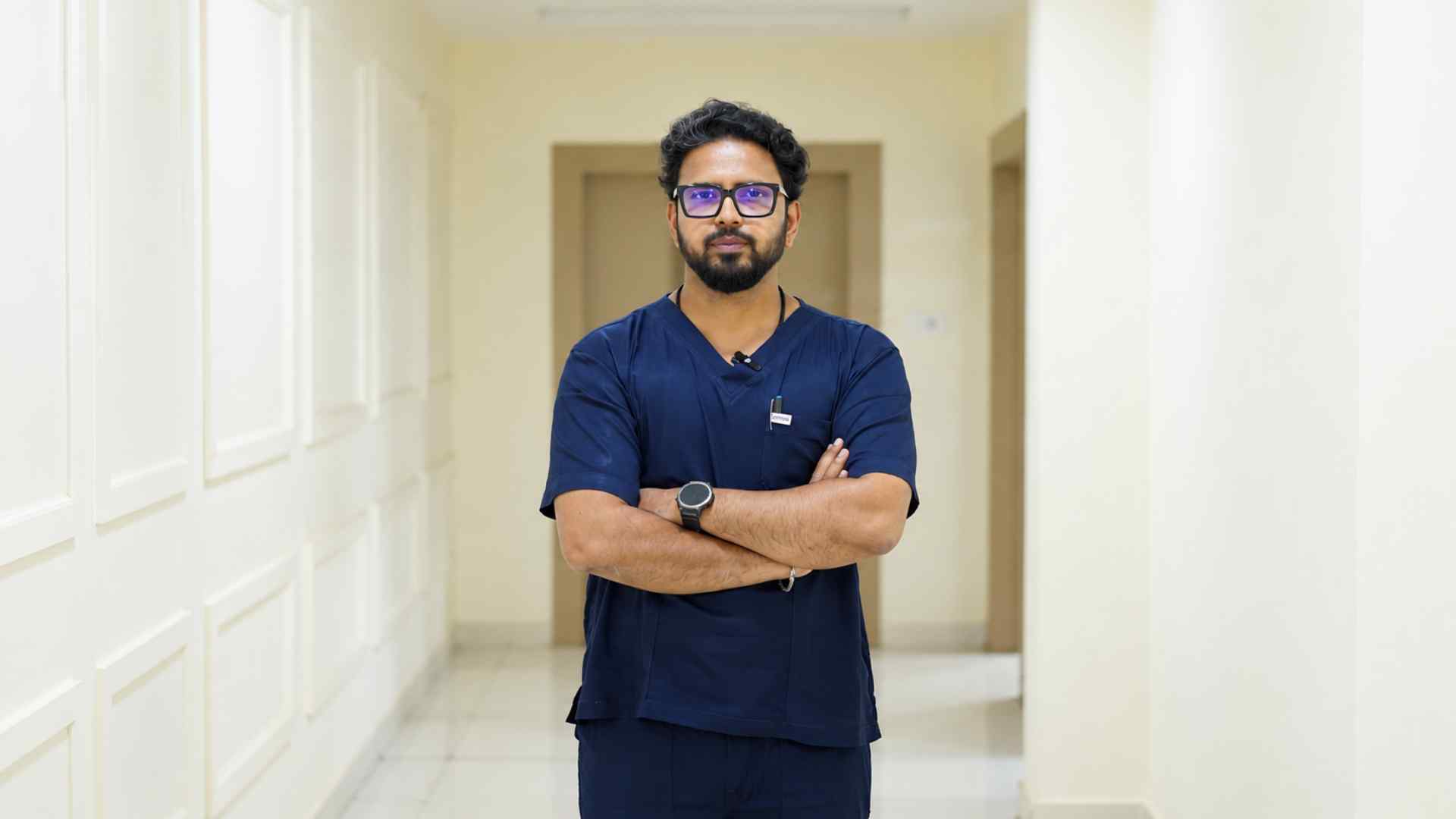
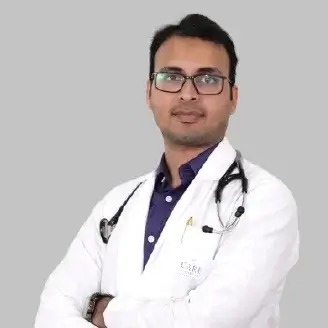
▴ Dr. M A Suboor Shaherose, Consultant Medical and Hemato Oncologist, CARE Hospitals
Lymphoma remains a serious and growing health concern both in India and across the world. Globally, more than 6,30,000 new cases of lymphoma are diagnosed every year, and it accounts for roughly 3% of all cancer cases.
Hyderabad, September 15, 2025: Each year on September 15, the global lymphoma community comes together to mark World Lymphoma Awareness Day—a day dedicated exclusively to raising awareness about lymphoma,one of the most common type of blood cancer. In 2025, the worldwide theme “Spot the Signs, Save a Life” reinforces the urgent call for early recognition and timely treatment. CARE Hospitals joins this global effort, urging people to understand the symptoms and act promptly to improve survival rates. Lymphoma remains a serious and growing health concern both in India and across the world. Globally, more than 6,30,000 new cases of lymphoma are diagnosed every year, and it accounts for roughly 3% of all cancer cases. In India, incidence has been steadily rising, with an estimated over 60,000 new patients each year, many presenting at advanced stages due to delayed recognition of symptoms. Experts warn that lifestyle factors, late diagnosis, and limited awareness continue to contribute to the high disease burden and underscore the need for widespread education and regular health check-ups. A 66-year-old woman’s experience at CARE Hospitals underscores this message. She sought help only for persistent neck and shoulder pain, initially consulting orthopaedic and neurology specialists. Scans revealed a cervical spine mass, and surgery confirmed B-cell Non-Hodgkin’s lymphoma, a type of blood cancer. A whole-body PET-CT scan showed lymph node involvement in her chest and abdomen. After six cycles of chemotherapy combined with targeted therapy, she achieved complete remission and continues regular follow-up. Dr. M A Suboor Shaherose, Consultant Medical and Hemato Oncologist, CARE Hospitals, Hyderabad, explained, “Lymphoma can mimic everyday problems like back or neck pain, prolonged fever, or unexplained fatigue. People often delay specialist evaluation because the early signs don’t seem serious. This year’s theme reminds us that spotting the signs early can truly save lives.” He further added, “Early intervention is key. With advances in diagnostic imaging and targeted therapies, we are seeing far better outcomes than ever before. Patients who seek timely care not only respond better to treatment but also maintain a higher quality of life. Our focus at CARE Hospitals remains on achieving the best clinical outcomes while supporting patients through every step of their journey.” Lymphoma is a cancer of the lymphatic system, an essential part of the body’s immune defense. It is mainly classified into Hodgkin and Non-Hodgkin lymphoma, the latter having subtypes such as B-cell and T-cell. While uncommon presentations include persistent pain or deep-seated swelling, classic symptoms include painless enlargement of lymph nodes in the neck, armpit, or groin, persistent fever, drenching night sweats, unexplained weight loss, abdominal pain, and lasting fatigue. Diagnosis is confirmed through a lymph node biopsy, preferably an excision biopsy, and staging requires a whole-body PET-CT scan, with bone marrow tests when necessary. Treatments include chemotherapy, targeted therapies, monoclonal antibodies, radiation therapy, bone marrow transplantation for relapsed disease, and advanced options such as CAR T-cell therapy for resistant lymphomas. While lymphoma cannot always be prevented, regular health check-ups, attention to unusual symptoms, a balanced diet, and regular physical activity can lead to earlier detection and better outcomes. CARE Hospitals, one of India’s leading healthcare networks, provides comprehensive cancer care with state-of-the-art diagnostics and therapies across 17 facilities in seven cities. About CARE Hospitals: CARE Hospitals is a part of Quality Care India Ltd. (QCIL), backed by Blackstone, with the vision to become the largest hospital chain in India through continuous investments in Talent, Technology, and Infrastructure. Along with CARE Hospitals, QCIL also operates two more leading healthcare chains — Evercare Bangladesh and KIMSHEALTH Kerala. CARE Hospitals, one of India's leading healthcare providers, is committed to delivering world-class medical services across a range of specialties. With a strong focus on patient centred care, innovation, and community health initiatives, CARE Hospitals continues to play a pivotal role in advancing healthcare standards in India. CARE Hospitals Group operates 17 healthcare facilities serving 7 cities across 6 states in India. The network has its presence in Hyderabad, Bhubaneswar, Vishakhapatnam, Raipur, Nagpur, Indore & Aurangabad. A regional leader in South and Central India and counted among the top 5 pan-Indian hospital chains, CARE Hospitals delivers comprehensive care in over 30 clinical specialties, with over 3000+ beds.
Tags : #

About the Author


Team Medicircle

Related Stories

Loading Please wait...

-Advertisements-


Trending Now

Clinical Interventions in Chronic Hepatitis B and C: Antiviral Efficacy, Liver Fibrosis Scoring, and Monitoring August 11, 2026
Common Health Mistakes Indians Should Avoid: A Practical Guide to Everyday WellnessAugust 11, 2026
How to Build a Healthy Lifestyle After 40: A Practical Guide for Indian AdultsAugust 11, 2026
Milk Microbiome Could Hold New Clues to Lifelong Health, Experts SayAugust 10, 2026
Globally Renowned Dermatologist and Sesderma Founder Professor Dr. Gabriel Serrano to Visit India to Showcase Cutting-Edge Derma-Tech for Indian Skincare at Scientific Symposiums Hosted by Iberia PharmaceuticalsAugust 10, 2026
Sharda Hospital Celebrates World Breastfeeding Week with a Week-Long Awareness ProgrammeAugust 10, 2026
Swinburne University of Technology Opens Applications for Master of Engineering ScienceAugust 10, 2026
GLP-1 Receptor Agonists: A New Era in Weight Loss TreatmentAugust 10, 2026
Immunotherapy vs. Chemotherapy: Understanding the Mechanisms of Precision OncologyAugust 10, 2026
Mitigating Tech-Induced Ailments: Managing Screen Time, Sedentary Lifestyles, and Dry Eye SyndromeAugust 10, 2026
The Blueprint of Validation: Navigating Medical AI’s "Reckoning Year"August 10, 2026
The Future of Smart Hospitals: Redefining Healthcare Delivery in India August 10, 2026
Healthcare Data Security in India: Risks, Threats, and Best Practices for a Digital-First Health EcosystemAugust 10, 2026
The Science of Resilience: Psychological Strategies for Modern StressAugust 08, 2026
The Science of Fasting: 2026 Research on Autophagy and LongevityAugust 08, 2026
Early Markers of Insulin Resistance: Moving Beyond Fasting Blood SugarAugust 08, 2026
Healthcare Management Challenges in India: What Hospital Leaders Must Address NowAugust 08, 2026
Importance of Patient Safety: Why Every Hospital in India Must Prioritize ItAugust 08, 2026
Decoding Fatty Liver Disease: Symptoms, Reversibility, and the MASLD/NAFLD SpectrumAugust 07, 2026
Heart-Healthy Dietary Patterns: Translating Clinical Nutrition Guidelines into Daily MealsAugust 07, 2026