 Tuesday, October 27, 2026
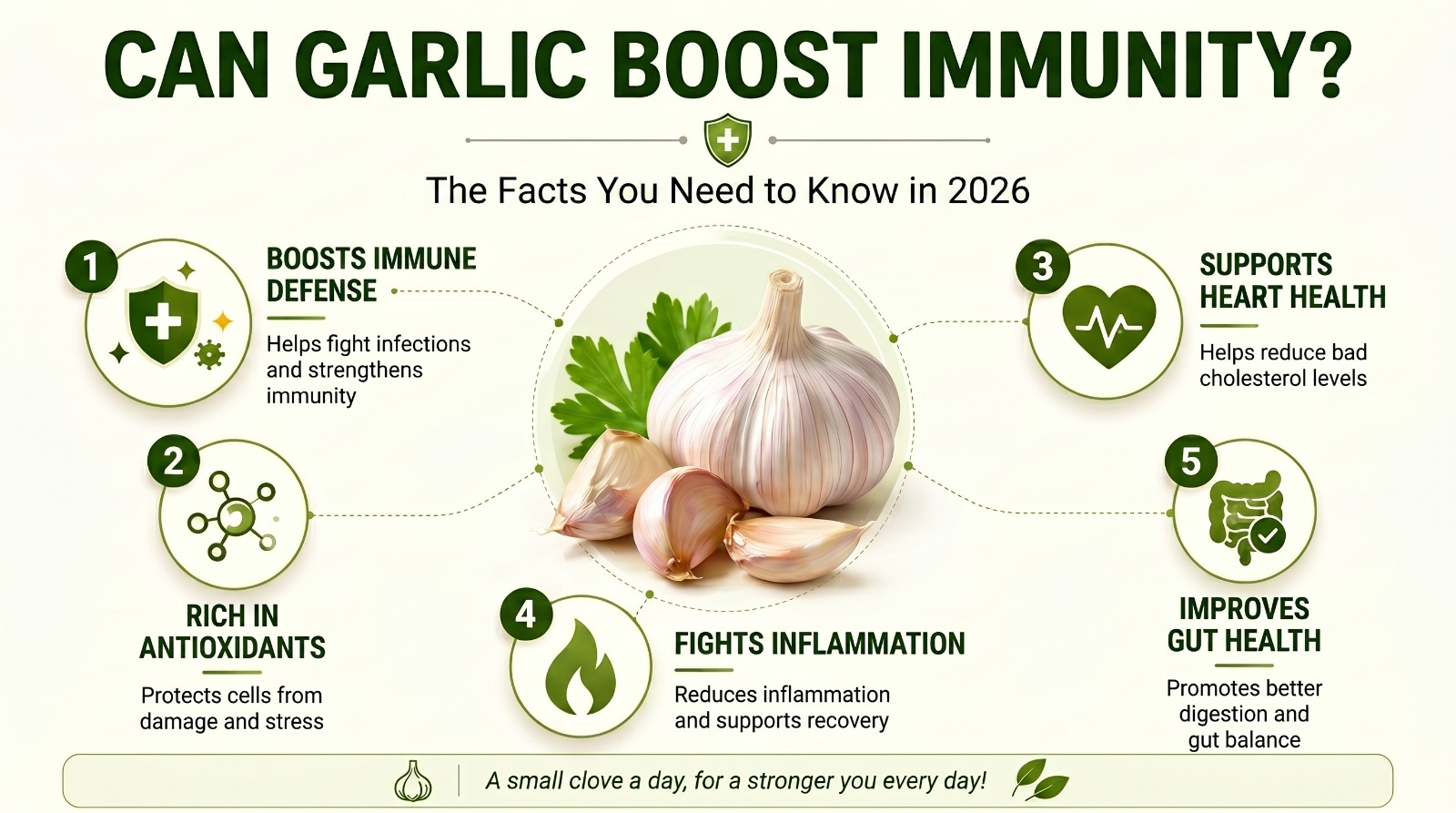
 Using garlic for immunity supports immune-enhancing activity through allicin, antioxidant, and antimicrobial effects. Regular use of garlic for immune support helps improve resilience, reduce cold severity, and strengthen overall immune response naturally.




When people look for a simple and affordable way to stay healthy, one ingredient shows up again and again. Garlic. The idea of using garlic for immunity is not new, but many still wonder if it actually works or if it is just a traditional belief. With rising interest in natural health solutions, understanding the benefits of garlic for immune system support has become more relevant than ever.
How Garlic and Immune System Are Connected in Real Life
The connection between garlic and immune system function is not just theoretical. Garlic contains compounds that interact directly with how the body defends itself. The most important of these is allicin, a sulfur-based compound released when garlic is crushed or chopped. This compound plays a role in antimicrobial and antiviral activity, which helps the body respond to infections.
In real-life scenarios, people who regularly include garlic in their diet often report fewer seasonal illnesses. This does not mean garlic prevents all infections, but it supports how the immune system reacts. The allicin immune system interaction helps reduce the intensity of infections rather than eliminating them completely.
Garlic also supports immune signaling. When the body detects a threat, it triggers responses like inflammation and cell activation. Garlic helps regulate these responses so that the body reacts efficiently without overreacting. This balance is important because both weak and excessive immune responses can cause problems.
What Makes Garlic an Immune Booster Beyond Just Nutrition
Many foods support immunity, but garlic as immune booster stands out because of its multi-layered effect. It does not just provide nutrients. It actively influences how the immune system behaves.
Key Functional Benefits of Garlic- Garlic supports antimicrobial defense naturally
Garlic contains compounds with antibacterial, antiviral, and antimicrobial These compounds help the body fight off pathogens more effectively. In everyday situations, this means better resistance during seasonal changes or exposure to infections. - It helps regulate inflammation rather than suppress it completely
The anti-inflammatory activity of garlic supports controlled immune responses. This is important because excessive inflammation can damage tissues, while controlled inflammation helps in recovery. - Garlic contributes to antioxidant protection
The antioxidant activity of garlic reduces oxidative stress in the body. This helps immune cells function better and prevents damage caused by free radicals. - It supports recovery during cold and flu conditions
Garlic is often linked with cold and flu prevention and reduction in severity. While it may not stop illness entirely, it helps the body recover more efficiently.
These benefits explain why garlic boosts the immune system in a broader sense, not just through nutrition but through functional support.
Different Forms of Garlic and How They Affect Immunity
Not all garlic works the same way. The form in which garlic is consumed changes its effectiveness.
Raw garlic contains the highest levels of allicin, making it the most potent option for garlic for immune support. However, its strong taste and smell make it difficult for some people to consume regularly.
Cooked garlic still provides benefits, but heat reduces the allicin content. This means its immune-enhancing activity is lower compared to raw garlic.
Other forms include:
- Aged Garlic Extract (AGE), which is milder and easier on digestion but still supports immune health
- Black garlic or fermented garlic, which has higher antioxidant properties but less allicin
- Garlic oil and garlic pearls, which are convenient but may not provide the same level of active compounds
- Kashmiri garlic or single clove garlic, often considered more concentrated in nutrients
Understanding these variations helps explain why some people experience stronger effects than others when using garlic for immune system support.
How to Use Garlic for Immunity in Daily Life
Using garlic effectively is not about consuming large amounts. It is about timing, preparation, and consistency.
Crushing or chopping garlic and letting it sit for a few minutes before consumption helps activate allicin. This simple step improves its effectiveness.
Practical Ways to Include Garlic- Use crushed garlic in meals instead of overcooking it
Adding garlic toward the end of cooking helps preserve its active compounds. This method supports better garlic benefits immune system - Consume small amounts regularly instead of large quantities occasionally
Consistency matters more than quantity. Regular intake supports long-term immune-enhancing activity. - Combine garlic with other supportive foods
Pairing garlic with foods rich in vitamins and minerals improves overall immune support. - Adjust intake based on tolerance and lifestyle
Some individuals may find raw garlic too strong. In such cases, milder forms can still provide benefits.
These patterns reflect how garlic can boost immune system function when used thoughtfully.
Why Garlic Works Differently for Different People
Not everyone experiences the same results from garlic and immunity. This variation is influenced by several factors.
Diet plays a major role. People who already follow a balanced diet may notice subtle improvements, while those with poor nutrition may see more noticeable changes.
Digestive tolerance also matters. Some individuals experience discomfort with raw garlic, which affects consistency of use.
Lifestyle factors such as stress, sleep, and physical activity also influence how the immune system responds. Garlic supports immunity, but it cannot replace these foundational factors.
This explains why garlic good for immune system is true, but its impact depends on the overall health context.
Benefits and Limitations of Garlic for Immune Support
While the benefits of garlic for immune system are well recognized, it is important to understand both its strengths and limitations.
Garlic supports immune function, reduces severity of infections, and improves overall resilience. It is affordable, accessible, and easy to include in daily meals.
However, garlic is not a cure-all solution. It does not replace medical care or eliminate the need for a balanced lifestyle. Its role is supportive rather than primary.
Understanding this balance helps set realistic expectations when using garlic for immunity booster.
Practical Insights for Long-Term Immune Support with Garlic
Using garlic effectively requires consistency and awareness rather than quick fixes.
Small daily habits such as including garlic in meals, maintaining a balanced diet, and ensuring proper rest create a stronger foundation for immunity.
Garlic works best as part of a system rather than in isolation. When combined with healthy lifestyle practices, its impact becomes more noticeable and sustainable.
This approach reflects how garlic for immunity fits into real-life health management rather than acting as a standalone solution.
Conclusion
Garlic offers real, measurable support for the immune system when used consistently and correctly. The connection between garlic and immune system function is supported by its antimicrobial, antioxidant, and anti-inflammatory properties.
While it may not act as a quick fix, its long-term benefits make it a valuable addition to daily health practices. Understanding how to use garlic effectively allows individuals to experience meaningful improvements in immune support.
Frequently Asked Questions (FAQs)
1. How quickly does garlic for immunity start working?The effects of garlic for immunity are not instant but build over time with consistent use. Compounds like allicin immune system support begin working at a cellular level, helping the body respond better to infections. Regular intake contributes to steady immune-enhancing activity, especially during seasonal changes.
2. Is raw garlic better than cooked garlic for immune support?Raw garlic is generally more effective because it contains higher levels of allicin, which plays a key role in antimicrobial and antiviral action. Cooked garlic still provides benefits but with reduced potency. Choosing the right form depends on tolerance and consistency.
3. Can garlic help reduce the severity of colds and flu?Garlic is often associated with cold and flu prevention and may help reduce the duration and severity of symptoms. Its antibacterial and antiviral properties support the immune response, making recovery smoother rather than immediate.
4. What is the best way to consume garlic for immune benefits?Crushing or mincing garlic before use helps activate allicin immune system benefits. Consuming it raw or lightly cooked supports better immune-enhancing activity, while combining it with meals improves digestion and consistency.
5. Does aged garlic extract work differently from raw garlic?Aged Garlic Extract (AGE) contains stable compounds that support antioxidant activity and immune balance. While it has less allicin than raw garlic, it still contributes to anti-inflammatory support and long-term immune health.
6. Can garlic be used daily for long-term immune support?Yes, using garlic regularly in moderate amounts supports garlic for immune system benefits over time. Its antioxidant and antimicrobial properties help maintain immune strength, especially when combined with a balanced lifestyle.
7. Is garlic effective against bacterial and viral infections?Garlic shows activity against both bacteria and viruses due to its antibacterial and antiviral compounds. These properties help the body respond to infections more efficiently, supporting overall immune resilience.
8. Does garlic help with inflammation related to immune response?Garlic supports the body through its anti-inflammatory and antioxidant activity, helping regulate immune reactions. This balance prevents excessive inflammation while still allowing the body to fight infections effectively.
9. Are garlic supplements as effective as fresh garlic?Garlic supplements such as oils or pearls provide convenience but may have lower allicin immune system impact compared to fresh garlic. However, they still offer antioxidant and antimicrobial benefits when used consistently.
10. Can garlic improve immunity in people with low resistance?Garlic can support individuals with low immunity by enhancing immune-enhancing activity and improving response to infections. Its antiviral and antibacterial properties help strengthen the body’s natural defense system over time.





-23-300x250.png)

.jpeg)








.jpg)
.jpg)
.jpg)
.jpg)
.jpg)
.jpg)
.jpg)
.jpg)
.jpg)

