Monday, November 16, 2026
 Indo–Swedish Partnership Powers National Neonatal Critical Care Training Rollout.





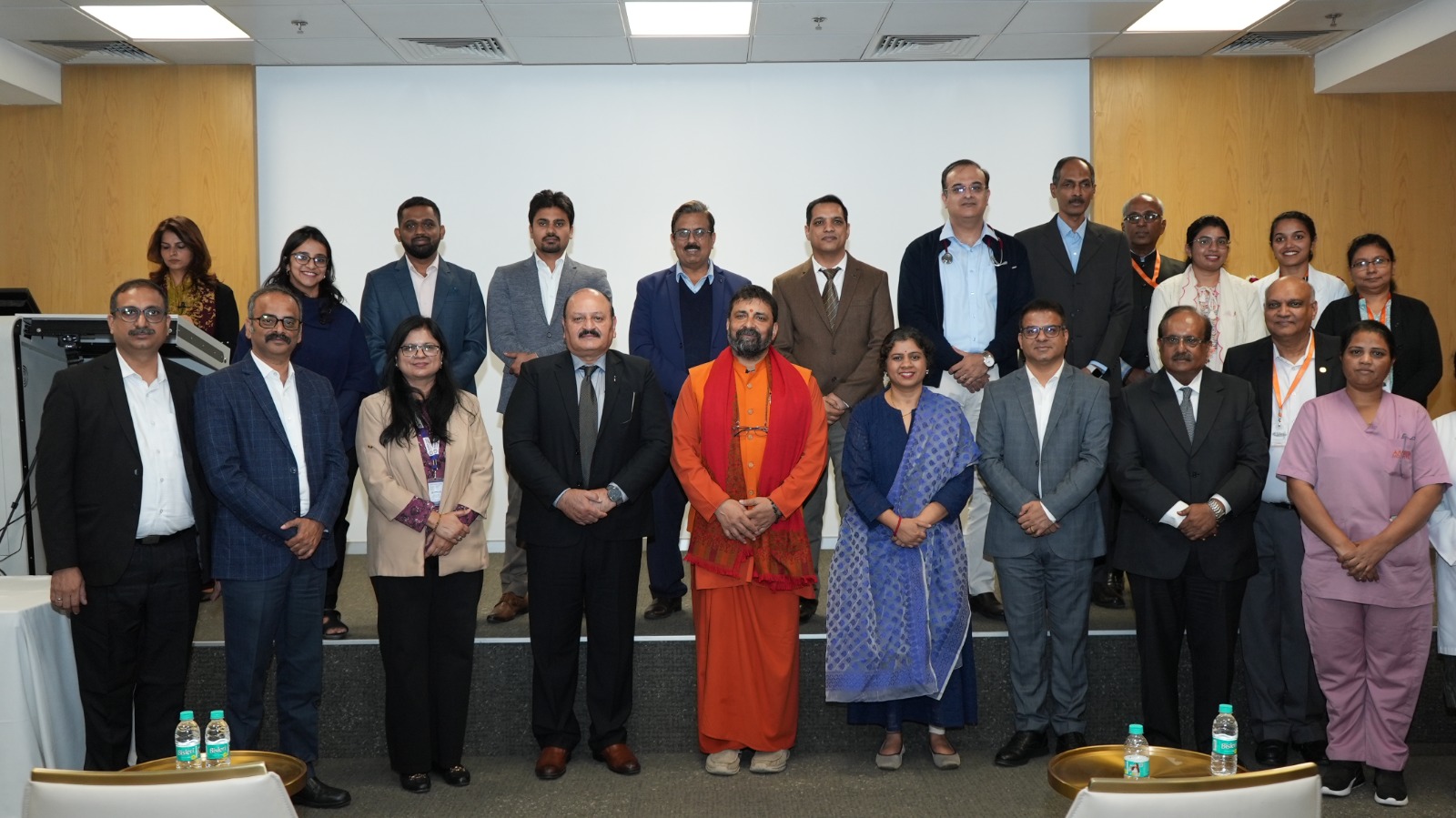
Faridabad, 27th November, 2025: A major initiative to advance neonatal nursing capabilities in India has been launched with the introduction of the Neonatal Critical Care Nursing Training Initiative, designed to train 1,500 nurses through a rigorous blended online–offline model. The programme has been formally inaugurated at Amrita Hospital, Faridabad. It represents a landmark collaboration between KEDMAN SkillEd India Foundation, along with Amrita Vishwa Vidyapeetham, Amrita Hospital, Getinge Medical India Pvt. Ltd. under its CSR mandate and Business Sweden, supporting Indo–Swedish cooperation in healthcare.
India’s Neonatal Mortality Rate (NMR) currently stands at 19 per 1,000 live births (according to Sample Registration System, 2021), short of the Sustainable Development Goal (SDG) target of 12 per 1,000 by 2030. Progress remains uneven across states, with Kerala and Tamil Nadu achieving single-digit outcomes, while Madhya Pradesh, Uttar Pradesh and Chhattisgarh continue to report significantly higher mortality.
Evidence shows that strengthened neonatal nursing capabilities can reduce mortality by 15% to over 50% depending on context, making nursing-led interventions one of the most cost-effective strategies for saving newborn lives. Yet many nurses enter NICUs without standardized competency-based training or structured mentorship, resulting in variable care quality across facilities.
Developed end-to-end by KEDMAN SkillEd India with clinical expertise from Amrita Vishwa Vidyapeetham, the programme delivers structured neonatal critical-care training supported by advanced digital content, LMS delivery, simulation-based skill development, and specialist-led case sessions. The programme includes 12 comprehensive and medically validated neonatal critical care modules developed by India’s leading neonatologists at Amrita Hospital, Faridabad. AI-enabled proctored assessments, competency certification and residential advanced immersion for top performers ensure measurable and consistent outcomes aligned with national care standards.
Speaking at the inauguration, Ms. Aruna Nayak, Managing Director, Getinge Medical India, said, “Getinge is proud to support this initiative under our CSR mandate. Building critical care capacity is central to our commitment towards India’s healthcare ecosystem.”
Swami Nijamritananda Puri, Administrative Director, Amrita Hospital–Faridabad, noted, “Every newborn life is precious, and empowering nurses with advanced skills is one of the greatest contributions we can make to society. When clinical excellence, technology and a spirit of service combine, the impact reaches far beyond hospital walls.”
Dr. Sanjeev K. Singh, Medical Director, Amrita Hospital, Faridabad said, “This initiative brings structure, scientific rigour and national consistency to neonatal nursing. The blended model ensures nurses not only learn concepts but apply them confidently in real clinical settings.”
Mr. Rajiv Mathur, CEO, KEDMAN Skilling Private Limited, added, “With Kunskapsskolan Sweden as our promoter, Manav Rachna’s academic ecosystem and Amrita’s clinical expertise, we are creating a national benchmark for healthcare skilling. KEDMAN’s digital content development and implementation capability will enable scale across India.”
India requires more than 100,000 specialized neonatal nurses over the coming decade, alongside broader sector expansion of approximately 650,000 additional nurses to meet WHO benchmarks.
This initiative demonstrates how international educational models, clinical excellence and CSR-driven partnerships can work together to improve national health outcomes, directly supporting India’s SDG 2030 commitments.





-23-300x250.png)