 Thursday, October 08, 2026
 The 42-year-old patient from Ludhiana suffering from bronchitis and haemorrhagic lung disease — a rare and complex condition affecting both lungs.




Chennai, 28th October 2025: In a remarkable and extremely rare surgical achievement, Gleneagles Hospital Chennai, a leading centre for advanced thoracic and transplant surgeries, successfully performed a single-stage bilateral robotic lobectomy on a 42-year-old patient suffering from bronchitis and haemorrhagic lung disease — a rare and complex condition affecting both lungs.
The patient, a pet shop owner from Ludhiana, had been caring for birds and other pet animals for nearly three decades. Prolonged exposure to birds was identified as a likely trigger for his respiratory condition. Over the past few years, he had experienced progressive breathlessness, severe cough, and dependence on continuous oxygen support of up to seven liters per minute. Despite multiple medical consultations and extensive therapy including bronchodilators, steroids, and anti-allergic medications, his condition worsened. Comorbidities such as diabetes, hypertension, and obesity further limited his treatment options.
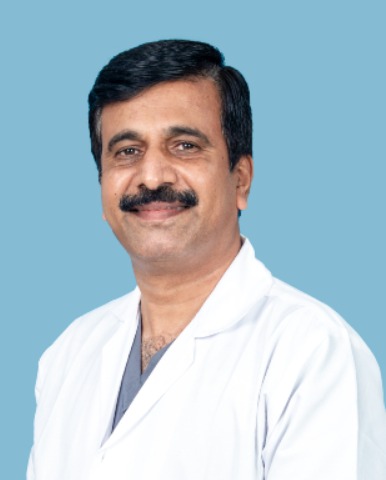
Several doctors in his hometown advised lung transplantation as the only possible cure. However, a pulmonologist in Delhi referred him to Gleneagles Hospital Chennai. Following a detailed evaluation, the team led by Dr. Govini Balasubramani, Director – Cardiothoracic and Vascular Surgery, Heart and Lung Transplants, VATS and Robotic Surgery, Gleneagles Hospital Chennai, decided to perform a bilateral robotic lobectomy, removing diseased lobes on both sides in a single sitting through a keyhole approach and underwent the successful single-stage bilateral robotic lobectomy on 30th August 2025. The surgery lasted around four hours — two hours per lung — and was completed without complications and was discharged from hospital.
“Robotic thoracic surgery itself is highly specialized, and performing a bilateral lobectomy in one stage is exceptionally rare,” said Dr. Govini Balasubramani. “The robotic system provides 3D magnified vision and precision control that allows us to remove the damaged lobes with minimal trauma. Once the affected lung tissue was removed, the remaining healthy lung expanded naturally, restoring his oxygenation levels and breathing capacity.”
“The advantage of robotic surgery is that it avoids the large incisions and pain associated with conventional open procedures. There are no visible scars, less postoperative discomfort, and the patient can resume normal activities in a week,” added Dr. Govini.
“This successful bilateral robotic lobectomy once again reinforces Gleneagles Hospital Chennai’s leadership in advanced thoracic and minimally invasive lung surgery,” said Dr. Nageswar Rao, Cluster CEO, Chennai and Hyderabad, Gleneagles Hospital. “It highlights our multidisciplinary strength combining surgical innovation, anaesthesia excellence, and post-operative rehabilitation to achieve faster recovery and safer outcomes even in high-risk patients,” added Dr. Nageswar Rao.
Post-surgery, the patient's dependence on medication reduced dramatically from nearly ten medicines to just three, with the possibility of further reduction over time. Before discharge, the team advised the patient to modify his occupational exposure by avoiding prolonged contact with birds, and to wear protective masks when in his shop to prevent recurrence






.jpeg)








.jpg)
.jpg)
.jpg)
.jpg)
.jpg)
.jpg)


.jpg)
.jpg)
.jpg)