 Thursday, October 08, 2026
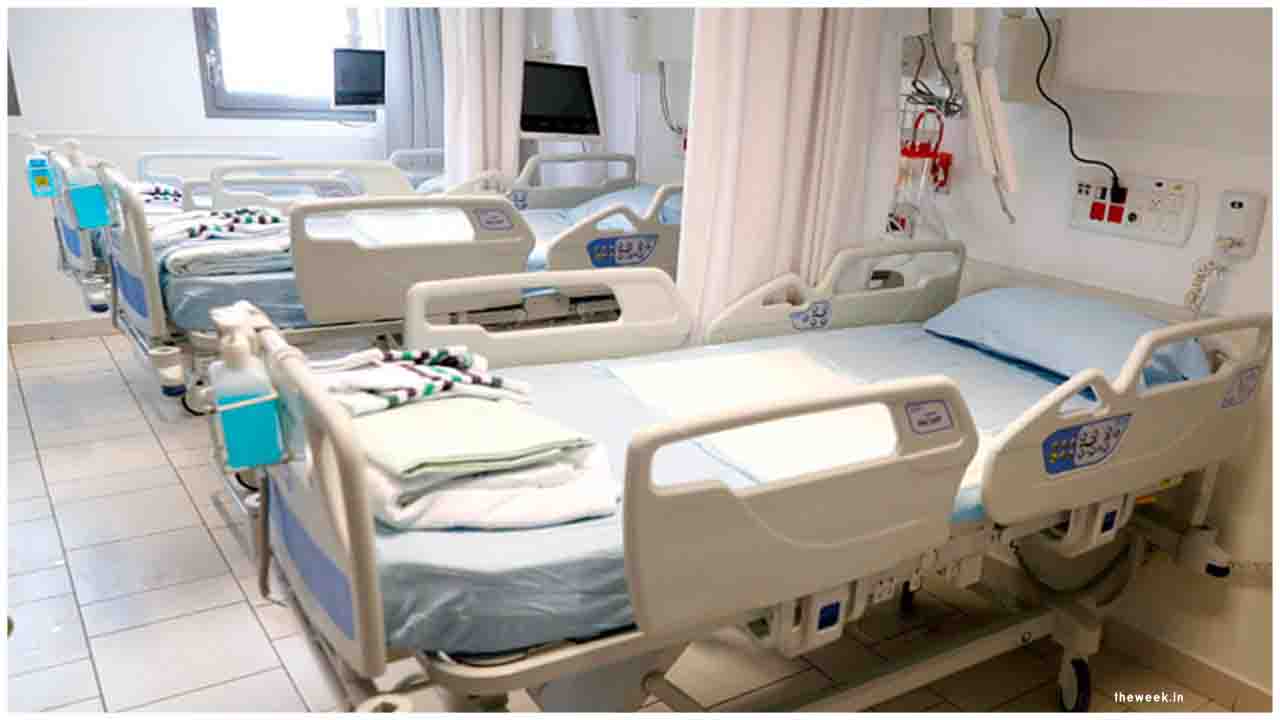
 The government has fixed a ceiling rate of Rs 5700 per day for Covid patients in non ICU wards




Gujarat government has set the ceiling on COVID 19 treatment in private hospitals across the state. The move came in the light of complaints received against private hospitals for charging exorbitant charges from COVID patients.
The government has clarified that the new rates will be applicable to all the private hospitals providing Covid treatment across the state except those which are located Ahmedabad, Vadodara, Rajkot , Surat and Bhavnagar municipal corporation limits where charges have already been fixed.
As per the official press release, the government has fixed a ceiling rate of Rs 5700 per day for COVID patients in non ICU wards. The upper limit of Rs 8,075 per day has been set for those who are admitted to high dependency units. Patients admitted to ICU facilities can not be charged more than RS 6000 per day. While a ceiling of Rs 8, 500 per day has been fixed for High Dependency Units with ICU facilities.
The upper limit of Rs 14, 500 per day has been set up for those COVID patients who are treated in ICUs with isolation facilities. As per the press release, the charges do not include the cost of Tocilizumab and Remdesevir injections.
Ahmedabad which was once the hotspots for COVID 19 in the country, is showing a downward trend especially in the Month of July. The city not only managed to contain the spread of COVID 19 but also successfully brought down the mortality rate, thanks to the various initiatives by the municipal corporations as well as the state government.
According to the latest reports, Ahmedabad Municipal Corporation is following micro containment zones strategy for controlling the spread of virus for which it is also using the data generated by the Aarogya Setu App.
Currently, intensive rapid antigen tests are being done at residential societies, religious places, banks, all the eight entry points of the city, municipal schools, etc. Additional Chief Secretary Rajiv Gupta, who is overseeing Covid-19 management in the city, told that fresh COVID cases have been declined by around 40 percent in the city.
Initiatives like Dhanvanatri Rath Mobile OPDs, 104 helplines for symptomatic people who wish to get tested at home, Sanjivani Ghar Seva to track COVID patients under home isolation have helped the administration in early detection and cure of the cases. Similarly, the city has also managed to bring down the mortality rate drastically in the month of July.
Meanwhile, the Indian Institute of Management, Ahmedabad has appreciated various initiatives such as mobile van OPDs, dedicated COVID hospitals by the state government to contain the spread of COVID 19. AIR correspondent reports that a report titled Management of COVID 19 pandemic in Gujarat’ was published by IIM Ahmedabad yesterday.
The report analyzed various initiatives launched by the government of Gujarat during the pandemic such as direct monitoring of COVID situation through CM dashboard, Anna Brahma Yojana, hydrogen balloon-based surveillance active awareness campaigns and Public-Private model in health infrastructure among others.
The findings of the report say nearly 80 percent of the 2,387 respondent citizens have expressed their satisfaction with the leadership of the Chief Minister during the time of COVID-19 pandemic.






.jpeg)










.jpg)
.jpg)
.jpg)
.jpg)
.jpg)
.jpg)


.jpg)