 Thursday, October 08, 2026
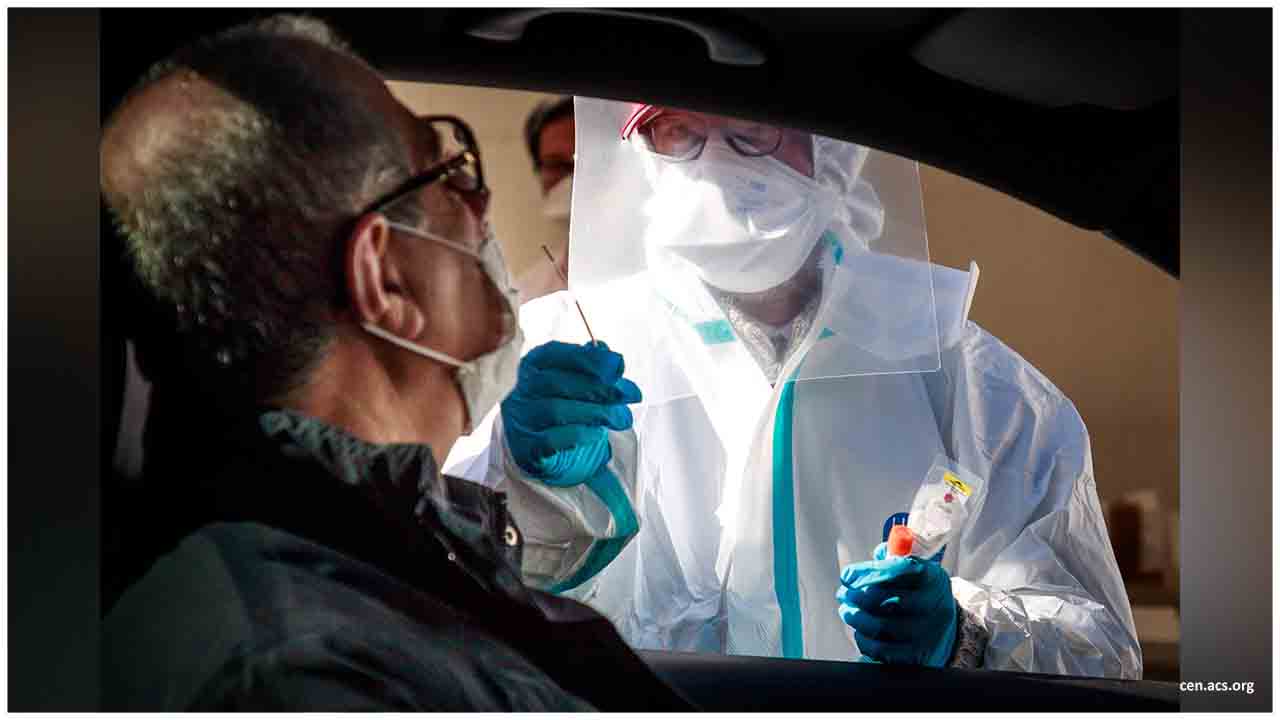
 Halodine Nasal and Oral Antiseptics Show Rapid Antiviral Activity Against SARS-CoV-2 (COVID-19)





Veloce BioPharma LLC reports today that their Halodine Antiseptics have demonstrated rapid viricidal efficacy against SARS-CoV-2, the virus that causes COVID-19. Halodine is a proprietary povidone-iodine antiseptic developed in partnership with leading clinicians for repeated nasal and oral administration. In experiments conducted with The Institute for Antiviral Research at Utah State University, a BSL3+ laboratory, the proprietary Halodine nasal and oral antiseptic preparations were proven to rapidly inactivate SARS-CoV-2. It has been proven to be effective against SARS-CoV-2 even at dilutions as low as 1/20 of the commercially available solutions.
"This study shows that a non-toxic nasal and oral solution is also effective against SARS-CoV-2. This is the first iodine-based antiseptic that has ever been shown to have activity against the virus that causes COVID-19," said lead author Jesse Pelletier MD FACS, of Ocean Ophthalmology Group (Miami, FL). "Now that we finally have proven efficacy against SARS-CoV-2 for povidone-iodine solutions that are safe for mucosa, we can incorporate them in to our COVID-19 transmission reduction efforts." Dr. Pelletier is leading efforts to design safe return-to-work protocols for ophthalmology outpatient clinics and ambulatory surgery centers.
The Halodine family of antiseptics are based on a polymer-enriched povidone-iodine which is non-toxic to mucosal surfaces. They are specially developed for the safe, repeated use in the nose and mouth. The high viral loads in the nose and mouth create a transmission risk, especially in health care settings. Nasal and respiratory aerosols and droplets have been shown to be a main source of COVID-19 transmission.
Viral aerosols and droplets can remain infectious for up to three hours. Masks can help protect against infection, but with nasal and oral antiseptics that are proven to be effective against the virus, aerosol transmission may be able to be reduced. Masks alone cannot eliminate the virus. Dr. Pelletier emphasized, "Nasal antisepsis and oral rinses are an important part of transmission reduction with masks, just like handwashing is important with gloves."
"There is much that is still being learned about this novel coronavirus and its behavior," said Samuel Barone MD, Chief Medical Officer of Veloce BioPharma. "We have been working on iodophor-based antiviral therapies in dermatology and ophthalmology for a few years and the Halodine® Antiseptic program grew out of that experience. We are extremely encouraged by these results that for the first time demonstrate efficacy against the virus that causes COVID-19."






.jpeg)










.jpg)
.jpg)
.jpg)
.jpg)
.jpg)
.jpg)


.jpg)