 Saturday, November 21, 2026
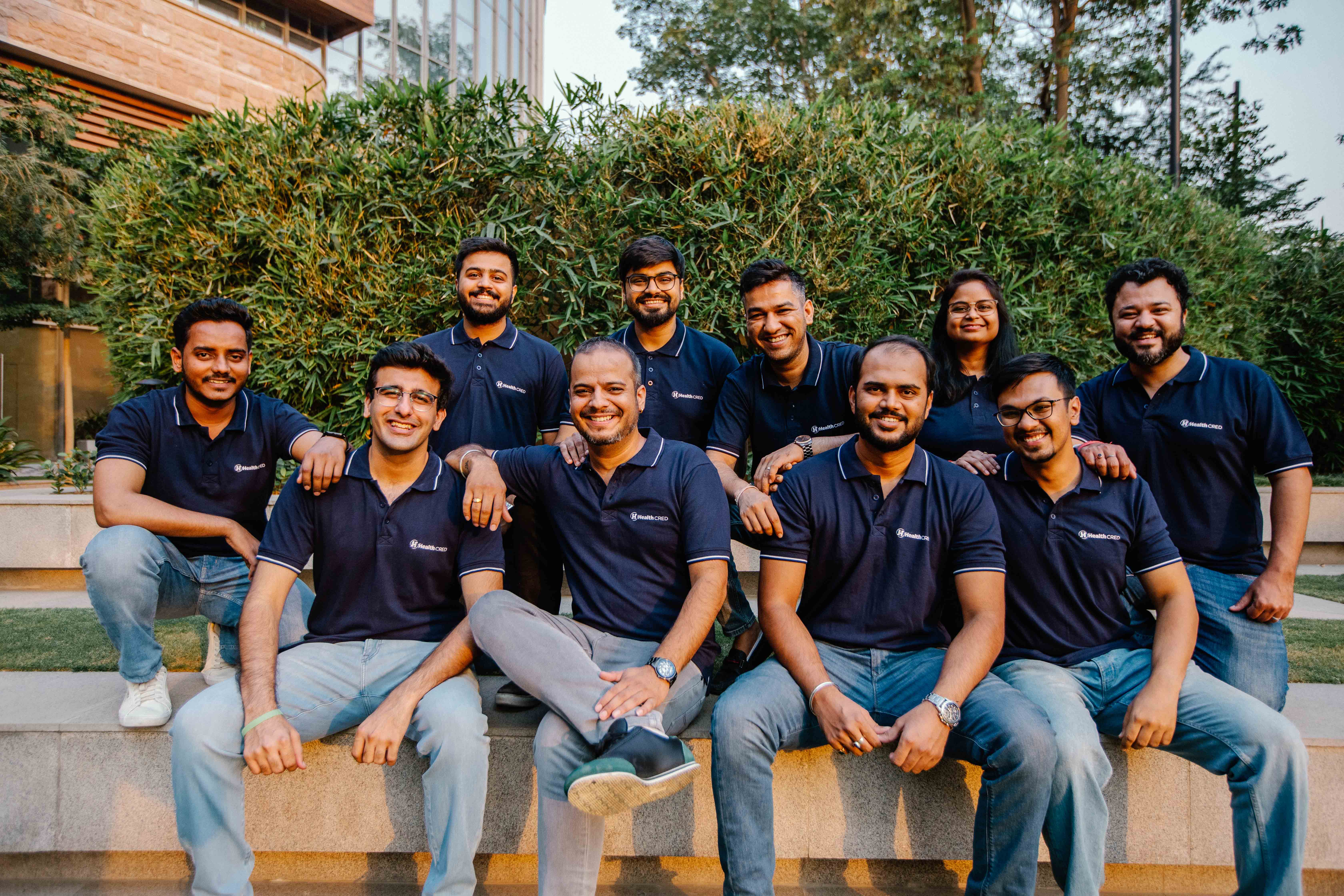
 HealthCRED is India’s first B2B healthcare financing startup. The fresh funds will be used to enhance customer relationships, expand operations and develop state-of-the-art service





12th August 2024, New Delhi: HealthCRED, India’s first B2B healthcare financing startup, announced today that it has raised USD 1.2 million in a seed funding round. The round was led by Antler India, TRTL VC, DeVC, iSeedVC and Angel List India. The round also saw participation from prominent angel investors including Dr. Subho Ray (President, IAMAI), Nitin Gupta (CEO, Uni Cards), Amit Lakhotia (CEO, ParkPlus) and founders of InsuranceDekho and SEA-based Docquity. The infusion of capital will be strategically utilized to enhance customer relationships and expand operations to the Southern and Western parts of the country. It will also be channelised to hire fresh talents and develop state-of-the-art B2B loan onboarding and loan management systems, creating an end-to-end digitised B2B healthcare lending framework.
Founded in 2022 by Shrey Jain and Arpit Jangir, HealthCRED is poised to become India’s first healthcare-focused Small Finance Bank (SFB). The company provides swift, comprehensive, and adaptable financing solutions tailored for the healthcare sector. HealthCRED’s collaborative approach involves partnering with Hospitals, specialised Healthcare Service Providers (HSPs across nephrology, oncology, and diagnostics), Insurers, and Pharmaceutical and Consumable Supply Chain partners to deliver intelligent and efficient financing solutions.
Shrey Jain, Co-Founder & CEO of HealthCRED commented, "With the rapid penetration of health insurance in the post-COVID scenario, there has been an increased working capital management stress for Hospitals and HSPs. The key factor is the delay associated with the realisation of insurance receivables. Our aim is to work towards stabilising their cash flow cycles, through early financing of these delayed receivables. This would help further ensure quality delivery of patient care, thereby enabling improved alignment with SDG Target 3.8 and Universal Healthcare Coverage (UHC)".
Nitin Sharma, Partner at Antler India said, “The healthcare ecosystem faces a significant working capital gap, particularly impacting small to mid-sized hospitals with limited capital access and claims management capabilities. This gap is expected to widen with increasing health insurance penetration and delayed insurer payments. Banks and NBFCs typically focus on large hospital infrastructural loans, leaving small hospitals underserved. HealthCRED aims to address this by offering working capital finance against cashless insurance receivables., targeting a multi-billion dollar gap. We are thrilled to back Shrey, Arpit, and the HealthCRED team to become a major healthcare lender, addressing various financing needs over time.”
HealthCRED is addressing a burgeoning working capital gap in hospitals and the healthcare supply chain, targeting the needs of India's rapidly growing USD 300 Billion+ healthcare industry. With ambitious growth targets, the company aims to disburse over USD 1 Billion over the next 5 years through digital means, basis alternate data driven underwriting.
About HealthCRED:
HealthCRED, India’s first B2B healthcare financing startup, is transforming B2B healthcare financing by providing timely capital to the healthcare ecosystem. Founded in 2022 by industry veterans and serial entrepreneurs, Shrey Jain and Arpit Jangir, the Delhi-headquartered company aims to bridge the working capital gap in the healthcare sector. With a focus on technological innovation and data-driven solutions, HealthCRED is committed to enhancing financial access and operational efficiency for healthcare providers across India. HealthCRED’s mission is to become the country’s first healthcare-focused small finance bank.





-23-300x250.png)




















