Tuesday, October 27, 2026
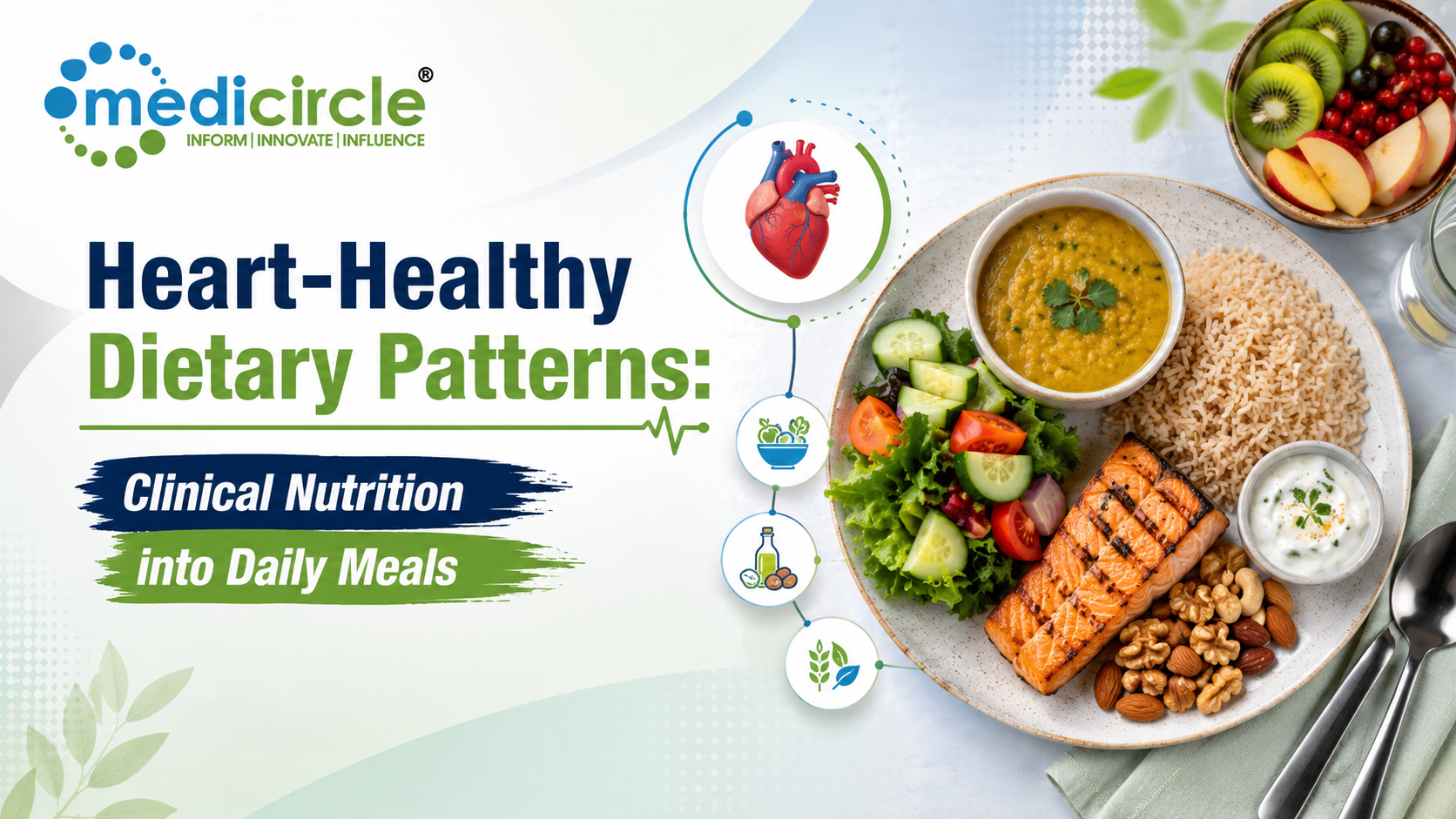
 Modern cardiovascular nutrition has shifted away from restrictive, nutrient-focused rules toward balanced, evidence-based dietary patterns that support overall heart health. Current research emphasizes the quality of foods and sustainable eating habits, helping individuals reduce cardiometabolic risk while enjoying diverse, nutritious meals.




Heart-Healthy Dietary Patterns: Translating Clinical Nutrition Guidelines into Daily Meals
For decades, nutritional advice for cardiovascular wellness was structured around rigid, isolating restrictions: cut out all cholesterol, eliminate fats entirely, and eat flavorless poached foods. This hyper-focused fixation on isolated nutrients created deep consumer confusion while failing to stem the tide of global cardiometabolic disease.
The updated scientific consensus from the American Heart Association (AHA) and the American College of Cardiology (ACC) has fundamentally rewritten this approach. Clinical practice has moved completely away from restrictive, single-nutrient targets toward the promotion of holistic heart-healthy dietary patterns.
The core philosophy of modern preventive cardiology is simple: your long-term cardiovascular risk is determined by the cumulative, synergistic pattern of what you eat across your lifespan, not by any single meal or ingredient. The true clinical challenge is translation—moving these high-level scientific statements off the journal pages and turning them into practical, culturally flexible, and deeply satisfying daily meals.
1. The Core Scientific Features of a Cardio-Protective Pattern
The updated clinical statements identify precise, evidence-based dietary features that consistently improve blood lipid profiles, lower systemic blood pressure, and optimize vascular endothelial function.
[ THE CARDIO-PROTECTIVE DIETARY MATRIX ]
│
┌─────────────────────────┼─────────────────────────┐
▼ ▼ ▼
[ PROTEIN RE-BALANCING ] [ THE FAT SUBSTANCES ] [ FLUID INTEROPERABILITY ]
• Legumes and nuts first • Non-tropical plant oils • Whole fruit over juices
• Regular seafood/fish • Eliminate trans fats • Zero added sugars
• Lean cuts over processed • Limit SFAs (<10% energy) • Herbs/spices over salt
Clinical registries demonstrate that shifting the baseline source of dietary protein from animal structures to plant-rich sources significantly mitigates cardiovascular risk. Plant proteins like lentils, chickpeas, black beans, and raw nuts are naturally packed with dietary fiber, minerals, and unsaturated fatty acids that work together to lower low-density lipoprotein cholesterol (LDL-C).
When animal proteins are incorporated, the clinical priority is clear: regularly consume omega-3-rich seafood and lean poultry, while strictly minimizing processed meats (like bacon, sausages, and deli cuts) which are heavily loaded with inflammatory preservatives and excess sodium.
The Unsaturated Fat Substitution LawThe historical "low-fat" mandate has been completely disproven by modern metabolic science. Saturated fats (found in fatty red meats, butter, lard, and tropical oils like palm and coconut) should be systematically replaced with liquid, non-tropical plant oils rich in monounsaturated and polyunsaturated fats. Utilizing extra virgin olive oil, canola oil, or avocado oil directly improves insulin sensitivity and stabilizes arterial plaque.
2. Translating Clinical Goals into Daily Plate Logistics
Transforming these abstract guidelines into reality does not require complex macro calculations. You can successfully restructure your daily meals by adopting simple, visual plate allocation models.
[ THE CLINICAL PLATE ALLOCATION ]
PLATE LANDSCAPE NUTRITIONAL TARGET OUTCOME
┌─────────────────────────┐ ┌──────────────────────────┐
│ Fill 1/2 with Vegetables │ ─────►│ Maxes Potassium, Lowers Blood Pressure │
│ Fill 1/4 with Whole Grain│ ─────►│ Supplies Intact Fiber, Lowers LDL-C │
│ Fill 1/4 with Lean/Plant │ ─────►│ Delivers Structural Cardio-Safe Protein │
└─────────────────────────┘ └──────────────────────────┘
- The Guideline: Minimize added sugars and replace refined grains with whole grains.
- The Daily Meal Translation: Swap out processed bakery goods, white toast, or sugary commercial cereals. Instead, base your morning meal on whole, intact steel-cut oats or quinoa porridge. Top with antioxidant-dense blueberries, a tablespoon of ground flaxseeds, and a handful of raw walnuts. This structure supplies highly viscous soluble fiber, which acts like a sponge in your digestive tract to trap and eliminate excess cholesterol.
- The Guideline: Maximize a wide variety of whole vegetables and fruits daily.
- The Daily Meal Translation: Construct a deep, vibrant salad or grain bowl. Fill half the bowl with dark, leafy greens (like spinach or arugula) and cruciferous vegetables. Allocate a quarter of the space to intact whole grains, such as brown rice, farro, or wild quinoa. Fill the remaining quarter with a plant-forward protein like spiced chickpeas or grilled tofu. Drizzle generously with an extra virgin olive oil and lemon dressing, completely bypassing commercial, sodium-heavy bottled dressings.
- The Guideline: Substitute saturated fat sources with healthy unsaturated lipids and minimize sodium.
- The Daily Meal Translation: Bake or pan-sear a fresh fillet of wild-caught salmon or mackerel, which are naturally rich in cardio-protective eicosapentaecnoic acid (EPA) and docosahexaenoic acid (DHA) omega-3 fatty acids. Pair the seafood with a side of roasted asparagus and sweet potatoes seasoned aggressively with garlic, cumin, and smoky paprika instead of table salt. This high-potassium layout actively signals your kidneys to flush out excess fluid, easing mechanical pressure across your blood vessels.
Comprehensive Matrix: Food Swaps for Longevity
The table below provides a practical blueprint for modifying common dietary components, mapping basic kitchen adjustments to their direct clinical value.
|
Current Nutritional Habit |
Heart-Healthy Substitute |
Primary Biological Mechanism |
Clinical Value Delivered |
|---|---|---|---|
|
Butter or Tallow |
Extra Virgin Olive Oil / Avocado |
Replaces saturated fatty acids with monounsaturated fats |
Lowers circulating apolipoprotein B (ApoB) and tracking LDL-C metrics. |
|
White Rice or Pasta |
Quinoa, Barley, or Brown Rice |
Preserves the intact bran, germ, and endosperm layers |
Lowers postprandial glucose variability and stabilizes insulin loops. |
|
Commercial Processed Meats |
Lentils, Chickpeas, or Wild Fish |
Eliminates hidden nitrates, saturated fat, and excess sodium |
Reduces vascular oxidative stress and prevents endothelial decay. |
|
Table Salt Shaking |
Fresh Herbs, Spices, Lemon Juice |
Shifts the systemic intracellular fluid balance |
Naturally drops systolic blood pressure and prevents fluid retention. |
|
Packaged Fruit Juices |
Whole, Intact Raw Fruit |
Delivers natural structurally bound dietary fiber |
Slows down hepatic carbohydrate clearance and prevents fatty liver storage. |
Actionable Strategy: Your Kitchen Cardio-Protection Protocol
- Audit Hidden Sodium Networks: Over 70% of dietary sodium does not come from your salt shaker; it sits hidden inside ultra-processed convenience foods, commercial bread slices, instant soups, and premade sauces. Actively read your food labels and aim to select items containing less than 140 mg of sodium per serving.
- Batch-Cook Whole Legumes and Grains: Eliminate the friction of healthy meal preparation. Dedicate an hour over the weekend to pressure-cook large containers of black lentils, quinoa, and brown rice, allowing you to quickly construct heart-healthy plates during busy workweeks.
- Adopt the "Flavor Enhancement" Strategy: Instead of relying on salt to elevate bland meals, use acid and spice. Adding fresh lemon juice, apple cider vinegar, crushed garlic, and antioxidant-rich spices like turmeric or cayenne creates deep, complex flavor profiles while keeping your sodium footprint minimal.
Frequently Asked Questions (FAQs)
Q1. Why do modern guidelines place more emphasis on dietary patterns rather than isolated nutrients?Modern guidelines emphasize overall heart-healthy dietary patterns because humans eat complex meals, not isolated chemical compounds. Tracking single nutrients like fat or cholesterol in isolation often leads to poor choices, such as replacing healthy fats with dangerous refined sugars. Evaluating your total food pattern captures the powerful, healthy synergy of how diverse foods interact within your body.
Q2. Is full-fat dairy completely banned within a cardio-protective diet?No. While historical guidelines strictly demanded fat-free or low-fat dairy options to tightly restrict calories and saturated fats, modern clinical data shows a more nuanced picture. While low-fat dairy remains an excellent option for weight management, fermented full-fat dairy products like plain Greek yogurt and unsweetened kefir do not show an increased risk of cardiovascular disease, provided your total daily saturated fat intake stays under 10% of your total calories.
Q3. How does eating whole grains directly help lower circulating blood cholesterol?Whole grains (such as oats, barley, and rye) contain high amounts of a unique type of soluble fiber known as beta-glucan. When digested, this fiber transforms into a thick, gel-like substance that binds directly to cholesterol-rich bile acids inside your small intestine, safely escorting them out of your body. This forces your liver to pull cholesterol out of your bloodstream to manufacture new bile, lowering your circulating LDL-C.
Q4. Are plant-based meat alternatives considered a healthy substitute for real red meat?It depends heavily on how processed the product is. While basic, minimally processed plant proteins like tofu, tempeh, and lentil patties are exceptional for heart health, many commercial ultra-processed plant-based meat alternatives are heavily loaded with industrial binders, added sugars, and massive amounts of sodium to mimic animal textures. Read the labels carefully and use highly processed substitutes sparingly.
Q5. What makes tropical oils like coconut and palm oil bad for cardiovascular health?Unlike liquid, non-tropical plant oils that are rich in healthy unsaturated fats, tropical oils like coconut and palm oil possess an exceptionally high concentration of saturated fatty acids (specifically lauric, myristic, and palmitic acids). Clinical feeding trials consistently demonstrate that these specific saturated fats sharply raise total cholesterol and ApoB levels, increasing the risk of arterial plaque buildup.
Q6. How much sodium can a person safely consume daily under the latest heart guidelines?For standard cardiovascular health preservation, major guidelines recommend limiting total sodium intake to less than 2,300 mg per day (roughly one teaspoon of standard table salt). For individuals already diagnosed with high blood pressure, older adults, or those managing kidney disease, dropping that target further to an optimized limit of 1,500 mg per day delivers significant therapeutic benefits.
Q7. Can drinking fruit juice provide the same cardiovascular benefits as eating whole fruit?No, absolutely not. When fruit is processed into liquid juice, its protective cellular fiber framework is entirely stripped away, leaving behind a highly concentrated solution of liquid fructose. Without fiber to slow down digestion, this fructose rushes to your liver, triggering a direct pathway that builds liver fat and increases insulin resistance. Always prioritize whole, intact raw fruit over juice.
Q8. What is the cardiovascular risk tied to consuming ultra-processed foods?Ultra-processed foods (such as packaged snacks, sodas, fast food, and instant meals) are engineered to be hyper-palatable using cheap industrial fats, refined starches, high-fructose corn syrup, and heavy sodium. Clinical registries show that a diet high in ultra-processed items directly alters the gut microbiome, triggers chronic systemic inflammation, raises blood pressure, and significantly increases the risk of coronary artery disease.
Q9. Is alcohol consumption beneficial for raising "good" HDL cholesterol?No, this is a dangerous medical myth. While alcohol can trigger a minor increase in circulating HDL-C numbers, it does not improve the actual structural quality or protective function of those particles. Both the World Health Organization and updated ACC/AHA guidelines explicitly state that alcohol offers no protective cardiovascular benefits, elevates your risk for high blood pressure, and should never be initiated for health reasons.
Q10. How long does it take for a heart-healthy diet to show measurable improvements in blood biomarkers?The human vascular and metabolic systems respond remarkably fast to clean nutrition. If you commit to a structured, high-fiber, plant-forward dietary pattern while eliminating processed trans fats and liquid sugars, you can observe significant, measurable drops in your fasting triglycerides, total cholesterol, and blood pressure markers within 4 to 6 weeks.
Modern cardiovascular nutrition has shifted away from restrictive, nutrient-focused rules toward balanced, evidence-based dietary patterns that support overall heart health. Current research emphasizes the quality of foods and sustainable eating habits, helping individuals reduce cardiometabolic risk while enjoying diverse, nutritious meals.





-23-300x250.png)

.jpeg)






.jpg)
.jpg)
.jpg)
.jpg)
.jpg)
.jpg)
.jpg)
.jpg)
.jpg)