Tuesday, October 27, 2026
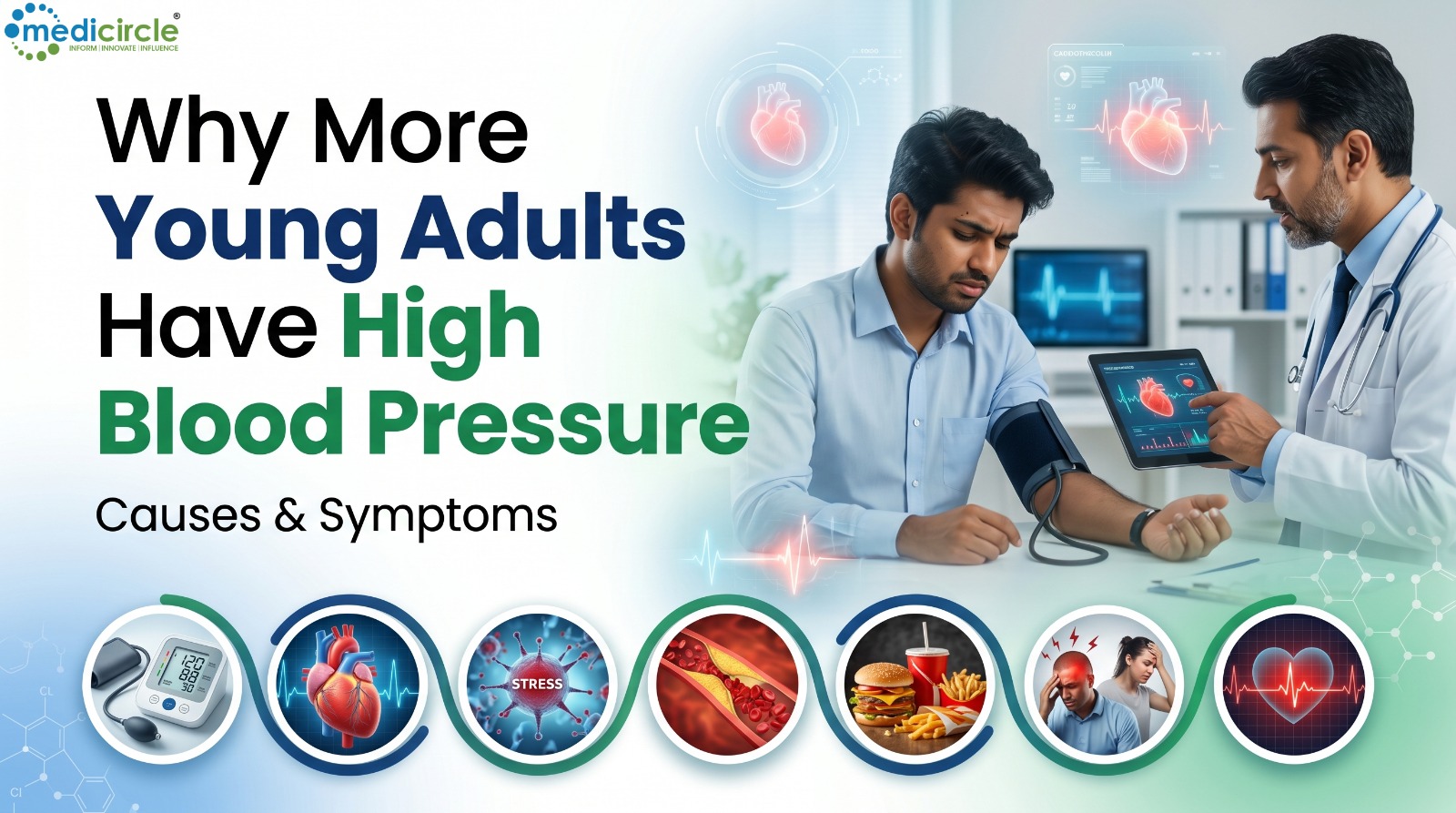
 High blood pressure is no longer limited to older adults. Increasing numbers of young people are now developing high blood pressure, often linked to stress, poor sleep, processed food intake, inactivity, and rising mental fatigue. Understanding the causes of high blood pressure in young adults is essential for preventing long-term cardiovascular complications and improving overall health outcomes.




For decades, high blood pressure was considered a condition mainly affecting middle-aged and elderly individuals. Today, however, doctors are increasingly diagnosing high blood pressure in young adults, including people in their 20s and early 30s. Many of these individuals appear outwardly healthy, maintain active social lives, and may not even realize that their blood pressure levels are consistently elevated.
This shift reflects broader lifestyle and environmental changes. Long work hours, chronic stress, digital overstimulation, poor eating habits, sleep deprivation, and reduced physical activity are quietly affecting cardiovascular health much earlier in life. In many cases, symptoms remain subtle or completely unnoticed until complications begin to appear.
Unlike sudden illnesses, hypertension often develops gradually. This is why it is commonly called a “silent condition.” Young adults may ignore recurring headaches, fatigue, poor sleep, or mental fog without realizing these changes can be connected to rising blood pressure levels.
Understanding High Blood Pressure in Young Adults
Blood pressure measures the force exerted by blood against artery walls. When this pressure remains consistently elevated, the heart and blood vessels experience long-term strain.
A normal blood pressure reading is generally considered around 120/80 mmHg. Persistent readings above this range may indicate hypertension.
The growing prevalence of high blood pressure in young adults is concerning because early hypertension increases lifetime cardiovascular risk. Developing elevated blood pressure at 28 or 32 years old means the heart and arteries may remain under stress for decades unless lifestyle changes occur.
Young adults frequently assume hypertension only affects older people with severe health conditions. As a result, many delay health screenings and overlook early warning signs.
Why High Blood Pressure Is Increasing Among Young Adults
The rise in hypertension among younger populations is rarely caused by one factor alone. Instead, it usually reflects the cumulative effect of multiple modern lifestyle patterns.
Chronic Stress and Constant Mental Pressure
One of the strongest contributors to high blood pressure in young adults is chronic psychological stress.
Modern work culture often keeps the nervous system in a prolonged state of alertness. Deadlines, financial concerns, academic pressure, social comparison, and constant digital connectivity prevent the body from fully recovering.
Stress activates hormones such as cortisol and adrenaline. In short bursts, these hormones are useful. When stress becomes continuous, however, blood pressure may remain elevated for extended periods.
Many young professionals experience:
- Persistent mental fatigue
- Emotional exhaustion
- Difficulty relaxing
- Increased irritability
- Sleep disruption
- Anxiety-related physical symptoms
Over time, the body begins functioning in a near-constant stress-response state.
A young employee working late into the night, checking emails during meals, and sleeping only five to six hours daily may unknowingly place continuous strain on cardiovascular function.
Poor Sleep and Sleep Deprivation
Sleep quality has a major influence on blood pressure regulation. Yet many young adults sacrifice rest because of work schedules, social media use, late-night scrolling, or inconsistent routines.
Insufficient sleep affects:
- Stress hormone regulation
- Heart rate recovery
- Blood vessel function
- Inflammation levels
- Metabolic balance
Research increasingly links sleep deprivation with rising hypertension risk, particularly among individuals already experiencing high stress levels.
Many people who feel “constantly tired and sleepy” during the day may actually be experiencing poor cardiovascular recovery overnight.
Revenge Bedtime Procrastination and Blood Pressure
A growing number of young adults intentionally delay sleep despite exhaustion. This behavior, often called revenge bedtime procrastination, reduces total sleep duration and increases nighttime nervous system stimulation.
Late-night exposure to bright screens, emotionally stimulating content, and irregular sleep schedules may further worsen blood pressure control.
Sedentary Lifestyle and Reduced Physical Activity
Modern lifestyles require less movement than ever before. Many young adults spend most of their day sitting:
- Working at desks
- Attending online meetings
- Watching digital entertainment
- Using smartphones for extended hours
Lack of physical activity weakens cardiovascular efficiency and contributes to weight gain, poor circulation, and metabolic dysfunction.
Even individuals who are not visibly overweight may develop cardiovascular risk factors due to prolonged inactivity.
Regular movement helps:
- Improve blood vessel flexibility
- Support healthy circulation
- Reduce stress hormones
- Improve sleep quality
- Regulate body weight
Without adequate activity, the heart gradually works harder to maintain circulation.
Processed Food and Rising Sodium Intake
Dietary patterns among younger populations have changed significantly over the past decade. Fast food, processed snacks, packaged meals, sugary beverages, and ultra-processed convenience foods are now common parts of daily life.
Many processed foods contain:
- Excess sodium
- Hidden sugars
- Saturated fats
- Preservatives
- Refined carbohydrates
Excess sodium is especially important because it contributes directly to fluid retention and elevated blood pressure.
A person may consume high sodium levels without realizing it through:
- Instant noodles
- Chips
- Processed sauces
- Restaurant meals
- Packaged snacks
- Fast-food combinations
Combined with stress and poor sleep, these dietary habits significantly increase hypertension risk.
Obesity, Visceral Fat, and Metabolic Changes
Obesity remains one of the strongest contributors to high blood pressure in young adults.
However, the issue is not only visible body weight. Many young adults develop increased visceral fat, which accumulates around internal organs and contributes to inflammation and insulin resistance.
This type of fat is metabolically active and may increase:
- Blood vessel stiffness
- Hormonal imbalance
- Cardiovascular strain
- Blood sugar dysregulation
Even moderate weight gain over time can gradually affect blood pressure levels.
Smoking, Alcohol, and Stimulant Use
Smoking damages blood vessels and reduces arterial flexibility. Nicotine also temporarily increases heart rate and blood pressure.
Similarly, excessive alcohol intake may contribute to:
- Elevated blood pressure
- Poor sleep quality
- Increased stress response
- Irregular heart rhythms
Some young adults also rely heavily on caffeine and energy drinks to compensate for chronic fatigue and sleep deprivation. Excessive stimulant intake may further increase cardiovascular strain in susceptible individuals.
Mental Health and Hypertension
The relationship between mental health and blood pressure is often underestimated.
Conditions such as anxiety, burnout, depression, and emotional exhaustion can influence the nervous system continuously. Many individuals experiencing chronic anxiety also report:
- Chest tightness
- Palpitations
- Headaches
- Fatigue
- Muscle tension
- Elevated blood pressure readings
Mental health challenges rarely exist separately from physical health. Emotional overload can significantly affect cardiovascular regulation over time.
Symptoms Young Adults Often Ignore
One reason hypertension becomes dangerous is because symptoms may remain mild for years.
Some commonly overlooked signs include:
- Frequent headaches
- Fatigue
- Dizziness
- Brain fog
- Poor concentration
- Chest discomfort
- Shortness of breath
- Sleep disturbances
- Increased irritability
Many young adults dismiss these symptoms as normal consequences of a busy lifestyle.
The Long-Term Risks of Untreated High Blood Pressure
Persistent hypertension gradually damages blood vessels, the heart, kidneys, and brain.
Over time, untreated high blood pressure may increase the risk of:
- Heart attack
- Stroke
- Kidney disease
- Heart failure
- Vision problems
- Cognitive decline
Because younger individuals may live with hypertension for decades, the cumulative impact can become significant later in life.
Early prevention is therefore extremely important.
How Young Adults Can Reduce Blood Pressure Naturally
Improving cardiovascular health does not usually require extreme lifestyle changes overnight. Consistent habits often produce the most sustainable results.
Improve Daily Movement
Regular movement supports heart health and circulation. Even moderate activities such as brisk walking, cycling, stretching, or swimming can improve cardiovascular function.
Consistency matters more than intensity.
Prioritize Sleep Recovery
Healthy sleep patterns help regulate hormones, stress response, and blood pressure recovery.
Helpful habits include:
- Maintaining regular sleep schedules
- Reducing screen exposure before bed
- Limiting caffeine late in the day
- Creating calming nighttime routines
Reduce Chronic Stress Exposure
Stress management is essential for cardiovascular health.
Activities that may support emotional recovery include:
- Meditation
- Yoga
- Mindfulness practices
- Journaling
- Spending time outdoors
- Reducing digital overload
Even short daily recovery periods may help lower nervous system activation.
Improve Dietary Patterns
A heart-supportive diet generally includes:
- Fruits and vegetables
- Whole grains
- Lean protein
- Healthy fats
- Reduced processed food intake
Limiting excessive sodium and sugary beverages may significantly support blood pressure control over time.
Why Awareness Matters More Than Ever
The growing prevalence of high blood pressure in young adults reflects a broader health transition driven by stress, digital lifestyles, poor recovery habits, and reduced physical activity.
The challenge is that many young people still view hypertension as an “older adult problem.” This delay in awareness often postpones diagnosis and early intervention.
Routine health screenings, even during young adulthood, are becoming increasingly important because hypertension often develops silently.
Conclusion
The rise in high blood pressure in young adults is closely connected to modern lifestyle patterns that prioritize productivity while reducing recovery, movement, sleep, and emotional balance.
Stress, poor sleep, processed food intake, mental fatigue, sedentary behavior, and emotional burnout all contribute to cardiovascular strain earlier in life than previously seen.
The encouraging reality is that many contributing factors are modifiable. Small, consistent improvements in sleep, nutrition, physical activity, stress management, and routine health monitoring may significantly improve long-term heart health.
Understanding hypertension early allows young adults to make informed lifestyle adjustments before complications develop silently over time.
FAQs
Why are more young adults developing high blood pressure?
Modern lifestyle factors such as chronic stress, poor sleep, processed food consumption, obesity, inactivity, and mental fatigue are contributing to increasing rates of high blood pressure in young adults.
Can stress increase blood pressure?
Yes. Chronic stress activates hormones like cortisol and adrenaline, which may increase heart rate and blood vessel tension over time, contributing to hypertension.
Does lack of sleep affect blood pressure?
Yes. Poor sleep quality and sleep deprivation can disrupt cardiovascular recovery and increase the risk of elevated blood pressure levels.
What are the symptoms of high blood pressure in young adults?
Common symptoms may include headaches, dizziness, fatigue, brain fog, poor concentration, chest discomfort, irritability, and sleep disturbances, although many people experience no symptoms at all.
Can anxiety cause temporary high blood pressure?
Yes. Anxiety and emotional stress can temporarily raise blood pressure, especially during periods of intense nervous system activation.
Does screen time affect blood pressure?
Excessive screen time may indirectly affect blood pressure by increasing stress, reducing sleep quality, and promoting sedentary behavior.
Can high blood pressure be reversed naturally?
In some cases, lifestyle improvements such as healthy eating, regular exercise, better sleep, weight management, and stress reduction may help lower blood pressure naturally.
Why do fit young adults sometimes have hypertension?
Even physically active individuals may develop hypertension due to genetics, chronic stress, poor sleep, stimulant use, smoking, or hidden metabolic risk factors.
How often should young adults check blood pressure?
Young adults should ideally monitor blood pressure during routine medical check-ups, especially if they have stress, obesity, family history, or unhealthy lifestyle habits.
Is hypertension in young adults dangerous?
Yes. Long-term untreated hypertension may increase the risk of heart disease, stroke, kidney problems, and cardiovascular complications later in life.





-23-300x250.png)

.jpeg)




.jpg)
.jpg)
.jpg)
.jpg)
.jpg)
.jpg)
.jpg)
.jpg)
.jpg)