 Friday, October 09, 2026
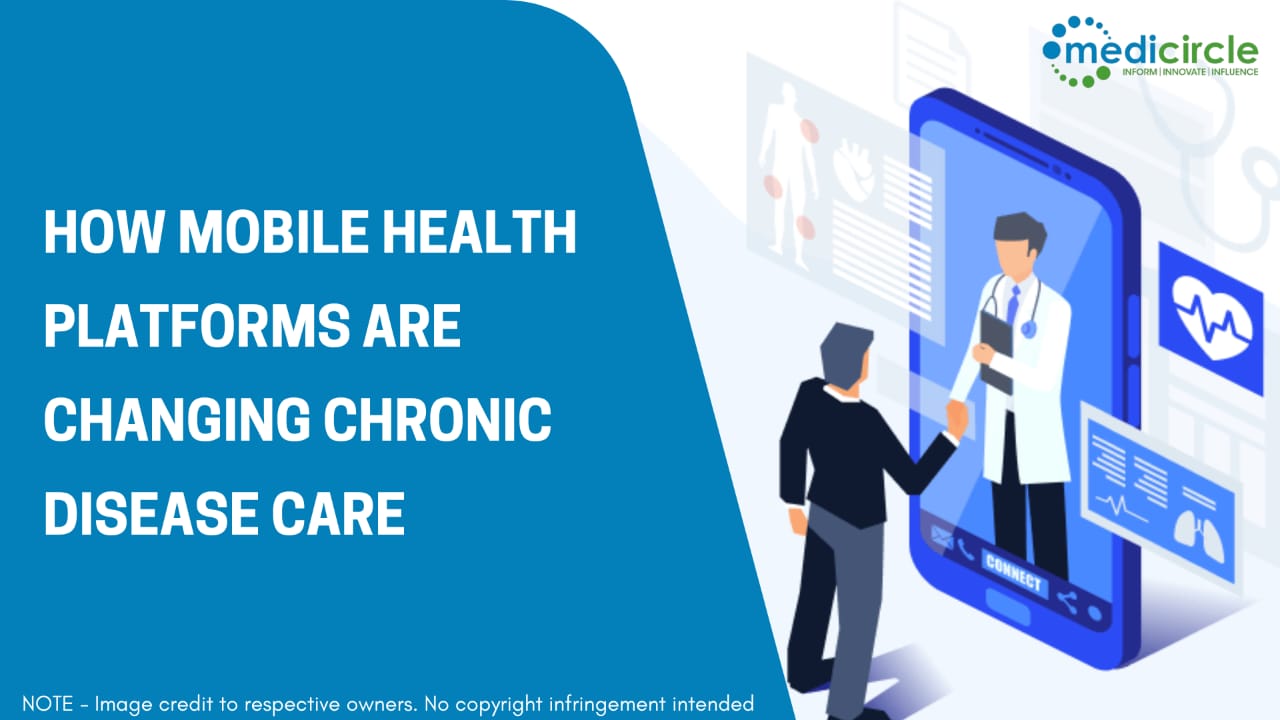
 Mobile health platforms are transforming chronic disease management in India, empowering patients with personalized tools, continuous monitoring and government-backed digital infrastructure for a more connected and proactive healthcare system.




Remember the last time you had to take an elderly relative to a hospital for a routine check-up? The long journey, the endless waiting and the exhaustion that followed. For millions of Indians dealing with diabetes, heart conditions or high blood pressure, this was the only way. Managing a chronic disease felt like a part-time job, centered on clinic visits rather than daily life.
But a profound change is taking place. The focus of care is shifting from the hospital corridor to the smartphone screen. A new generation of mobile health platforms is stepping in, not to replace doctors, but to become a daily ally for patients. They are turning the overwhelming task of lifelong disease management into a more integrated, understandable and empowering part of everyday living.
India’s health reality check:
For a long time, our healthcare system operated on a simple principle: you feel sick, you go to the doctor. But we have learned this approach is broken for chronic conditions. Widespread screening campaigns have uncovered a hard truth, a massive number of people are living with undiagnosed hypertension or prediabetes, unaware that their bodies are in distress.
This silent epidemic forced a rethinking of the entire model. We cannot wait for a stroke or a heart attack to act; we must focus on prevention and continuous management. Luckily, technology arrived right on time. With affordable smartphones and data plans reaching every corner of the country, a powerful new tool became available. The mobile phone, once a device for calls and messages is now a lifeline to better health.
Beyond the download:
Calling these platforms "apps" is a bit like calling a stethoscope a "metal tube." They are sophisticated digital clinics. They function as a prescribed part of treatment, built on medical evidence to manage specific conditions.
So, what does this look like for a user?
Real-time vitals: Instead of a single blood pressure reading every few months at the clinic, these apps can connect to a home monitor. They log every reading, creating a clear picture of your heart's health over time, revealing patterns a one-off check could never show.
Personal health coach: They move beyond generic advice. If your blood sugar readings are high after a certain meal, the app can offer dietary suggestions tailored to Indian cuisine, helping you understand which specific foods to adjust.
Never miss a pill: For conditions where timing is everything, gentle reminders ensure medications are taken on schedule. This simple feature dramatically improves treatment effectiveness.
Your health story: They pull together data from walks, meals and sleep, presenting it in a simple report. This report becomes a powerful starting point for conversations with your doctor, moving from "I feel okay" to "Here is what my data shows."
The government's role:
This movement is not just driven by private companies. The Indian government is a major force, building the very backbone of a digital health nation. The Ayushman Bharat Digital Mission (ABDM) is a landmark project creating a unified health infrastructure.
At its heart is the ABHA number, a unique health ID. Think of it as a key that lets you securely access and share your medical records with any authorized doctor or hospital across the country. You own your data. This breaks down the walls between different clinics and creates a continuous health record.
Alongside this, services like eSanjeevani have made telemedicine a reality for the masses. What started as a professional consultation network exploded during the pandemic? It now allows a person in a remote village to have a video consultation with a specialist in a metro, saving immense time, money and stress.
Stories from the ground:
The true success of this shift is not in download numbers, but in restored confidence. Take the case of a homemaker from Pune managing her diabetes. Her app does not just log numbers; it helps her plan weekly menus for her family, suggesting healthier alternatives to traditional dishes. She gets immediate feedback, seeing how a small dietary change can stabilize her glucose levels. This transforms her from a passive patient following orders into an active, informed manager of her own well-being.
Indian innovators have been crucial in this space. Companies like BeatO with its connected glucose meter and Fitterfly with its condition-specific digital programs have created solutions that understand the Indian lifestyle, palate and family dynamics.
Hurdles and hope:
The road to a digitally healthy India has a few bumps. Internet connectivity remains a challenge in some rural areas and not everyone is comfortable with technology. Trust is another major factor. People rightly worry about the safety of their most private health information. The new Digital Personal Data Protection Act is a welcome step toward building this essential trust.
There is also the human element of habit. Some users download an app with great enthusiasm but slowly disengage. The challenge for developers is to keep these tools engaging and simple enough to become a natural part of a daily routine.
Yet, the direction is unmistakable. The future is not about choosing between a doctor and an app. It is about a powerful partnership where the doctor’s expertise is amplified by the app’s daily, supportive presence. The medicine works better when your lifestyle supports it and these platforms make that possible.
So, the next time you glance at your phone, see it as more than just a social window to the world. See it as a potential guardian for your family's health. The quest for a healthier India is being written in a new language, the language of bits and bytes, working hand in hand with care and compassion, all from the device you already hold in your hand.






.jpeg)










.jpg)
.jpg)
.jpg)
.jpg)
.jpg)
.jpg)


.jpg)