 Monday, October 05, 2026
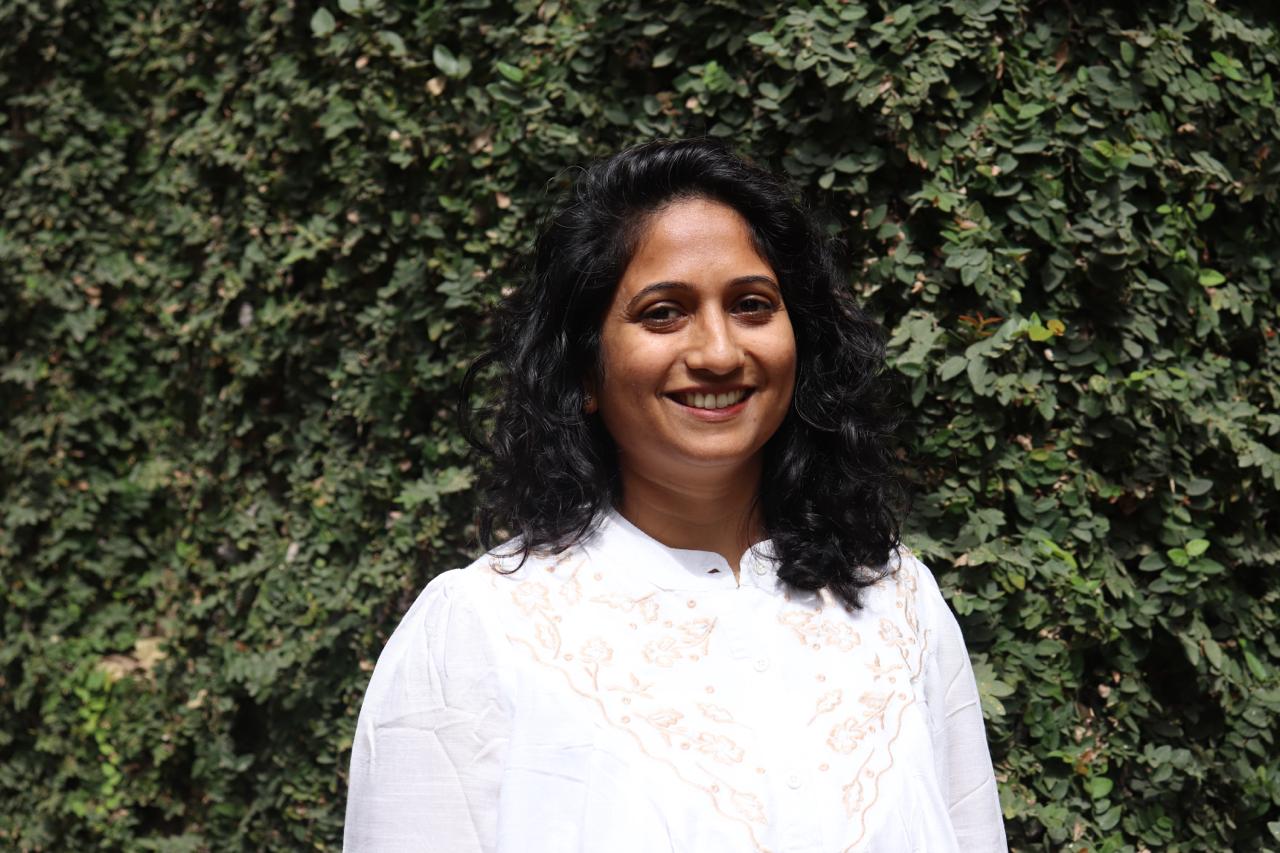
 Interview with Gangotri Naik, AVP Idea stage Entrepreneurship and Mentoring, NSRCEL.




- What role does the Healthcare Incubation Program play in nurturing early-stage healthcare ventures?
First, it is important to define who we support through the Healthcare Incubation Program—startups across focus areas such as diagnostics, monitoring, precision medicine, and curative therapies, among others. These are startups across healthcare SaaS & IT, pharma, biotech, and hardware devices.
We recognize that the journey is not the same for all: for instance, med-tech and pharma ventures have much longer gestation periods than SaaS startups. That’s why we work with founders from prototype through early traction, adapting our support to their stage.
Our mission is simple yet ambitious: to reduce the mortality rate of healthcare startups and help them move from lab to commercialization. We do this through a high-touch, five-month program that combines portfolio-style support with multiple levers—knowledge, mentorship, network access, regulatory support, and funding/funding readiness.
It is also important to recognize the diverse profiles of the founders we work with—about half come from research or core medical backgrounds, while the rest bring expertise in engineering or management. At these early stages, our priority is to help every founder—regardless of their starting point—develop a strong entrepreneurial mindset and the ability to view their ideas through a commercial and scalable lens.
- How do startups benefit from access to innovation labs, curated mentorship, regulatory and finance advisory, hospital networks, and investor connections?
It truly takes a village to raise a child—and the same holds true for building a healthcare venture. The journey demands an entire ecosystem working in tandem. Around 50% of the startups in our program are also incubated at a technical incubator while they seek business support from NSRCEL.
While NSRCEL provides the anchor for business incubation, we actively bring together our partners to strengthen every founder’s journey. For instance, access to hospital networks comes through partnerships with Cytecare Hospitals and MSMF, access to and understanding of manufacturing with our partners at IKP Eden and we have recently signed an MoU with FITT at IIT Delhi to provide state-of-the-art lab facilities. A strong stack of independent industry experts further adds depth to the support founders receive.
Gaining credible regulatory guidance that can speed up the lab-to-commercialisation path is rarely straightforward. Often, founders struggle to connect with their target customers—specialist doctors in niche areas—or to access clinical trials or prepare effectively for them. On their own, these steps can take several months; we help shorten timelines and broaden access to the right networks.
In healthcare, founders typically need to raise money very early for R&D, making investor access critical. But readiness matters: Are they focusing on the problem rather than only the technology? Do they know how to understand term sheets and valuations, and communicate their story simply? At NSRCEL, we help founders build that investor readiness.
More importantly, this support doesn’t end when the five-month incubation program concludes. For example, three founders from the cohort that graduated in January this year were invited to participate in our Demo Days and, collectively, secured more than 20 investor meetings in a single day.
- In what ways are NSRCEL and DailyRounds driving innovation, investment, and sustainable growth in healthcare?
We are now in the second year of our partnership with DailyRounds, and it has evolved into a truly synergistic collaboration. DailyRounds is committed to supporting early-stage healthcare startups tackling niche challenges—ventures that may not immediately attract traditional investment but hold strong potential to transform healthcare.
Through their CSR initiative, DailyRounds provides funding support, including grants of ₹1 crore per cohort (two cohorts a year). These grants are distributed to upto five ventures, based on their demonstrated commitment and progress. With their own deep expertise in the healthcare field, the DailyRounds team also extends guidance and mentorship to our founders whenever needed.
Together, we support nearly 70 healthcare startups each year—ideas that can scale, create social impact, and become sustainable.
- How do startups gain from personalized guidance by experienced mentors, including healthcare practitioners, successful entrepreneurs, and investors who bring domain knowledge and practical expertise?
While business concepts are easily accessible today, mentors bring something far more valuable—the ability to challenge the status quo, offer fresh perspectives, and uncover blind spots that founders may not see themselves. Our mentor pool includes healthcare practitioners, serial entrepreneurs, and investors, each bringing diverse expertise.
Knowledge sessions equip founders with frameworks and tools to examine their ventures through a new lens, while one-on-one mentor interactions help them validate and question key assumptions. These conversations often serve as a “shock absorber” before a founder meets a client or investor; at other times, they help make sense of market feedback and guide strategic decisions.
Close to half of our ventures seek mentorship on go-to-market (GTM) strategy, with competitor analysis, pricing, unit economics, and fundraising avenues being other key areas of focus. For instance, Sangrah Innovations, which is developing a low-cost, portable defibrillator, used mentor feedback to expand beyond its original B2G model and explore opportunities in B2B and B2C markets such as apartment housing societies and higher-education institutes. Similarly, Superceuticals, a startup building diagnostic kiosks, transitioned from a purely B2B focus to incorporate a direct-to-consumer approach, enabling direct engagement with end users. These shifts, driven by mentor insights, have allowed both ventures to refine their strategy and tap into wider markets.
- What are the key challenges and opportunities for healthcare entrepreneurs in India?
According to a 2024 EY report, the Indian MedTech market—currently valued at US $12 billion (2023–24)—is projected to reach US $50 billion by 2030, with India’s share of the global medical device market expected to rise from 1.65% to 10–12% over the next 25 years. Yet 80–85% of medical devices are still imported, signalling huge potential for local innovation and manufacturing.
Deep healthcare innovation demands patient capital and long timelines: researchers often spend two to seven years in labs before reaching the market, so sustained support and funding are critical. Researchers need capital inflows to keep their work moving—contributions that ultimately drive both economic growth and nation-building.
The government is also steadily building an enabling environment, and addressing challenges across regulatory hurdles through CDSCO regulatory reforms and key funding schemes such as the Biotechnology Ignition Grant (BIG), which offers up to ₹50 lakh for early-stage biotech and healthcare ideas, and the Production Linked Incentive (PLI) scheme for medical devices, which rewards domestic manufacturing with financial incentives. These initiatives, alongside medical device parks and state-level subsidies, are creating the policy and capital backbone for the next generation of Indian healthcare entrepreneurs.






.jpeg)
.jpg)
.jpg)
.jpg)
.jpg)
.jpg)
.jpg)
.jpeg)
.jpeg)
.png)