 Sunday, October 11, 2026
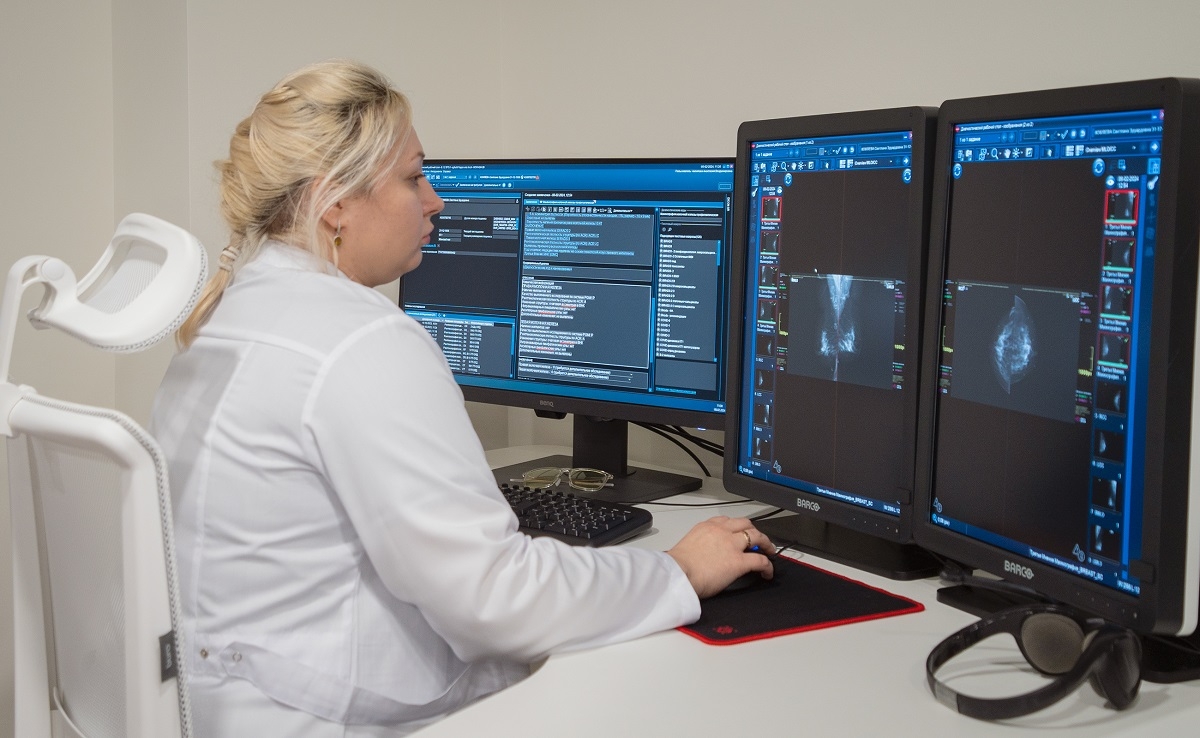
 Moscow's commitment to healthcare digitalization spans over a decade, with the widespread application of smart technologies in clinical settings. These efforts have streamlined diagnostic and treatment procedures, elevating the standard of care available to residents.




In Moscow, the integration of artificial intelligence into the compulsory health insurance system has led to the analysis of over 350,000 mammograms in the past year. This innovative approach commenced as part of a citywide initiative to enhance preventive mammography screenings with AI assistance. Anastasia Rakova, Deputy Mayor of Moscow for Social Development, reports that AI algorithms have significantly expedited the process, analyzing a vast number of images from municipal healthcare facilities. The adoption of neural networks is poised to improve screening efficiency, with studies indicating an eightfold increase in the speed of mammogram reviews. This technological advancement not only alleviates the burden on radiologists but also accelerates the diagnosis of breast cancer.
Since beginning of last year, Moscow has employed a dual-review system for mammography, leveraging both AI and radiologist expertise. This collaboration ensures quicker delivery of results to patients while optimizing the time efficiency of medical professionals.
Yury Vasiliev, Senior Consultant for Radiology of the Moscow Healthcare Department and CEO of the Center for Diagnostics and Telemedicine, highlights the central role of AI in enhancing the accuracy of breast disease diagnoses. The technology supports physicians by identifying potential pathologies that may be overlooked, thereby enhancing patient care through quicker and more reliable diagnostics.
The introduction of neural networks in Moscow's healthcare institutions began in 2020 as part of a trial to incorporate computer vision technologies. This project, a collaboration between the Moscow Healthcare Department and the Department of Information Technology, fosters the development of AI in Russia and supports local software developers.
Moscow's commitment to healthcare digitalization spans over a decade, with the widespread application of smart technologies in clinical settings. These efforts have streamlined diagnostic and treatment procedures, elevating the standard of care available to residents.
This initiative aligns with the national "Health Care" project's objectives, aiming to enhance the quality and accessibility of medical services






.jpeg)










.jpg)
.jpg)
.jpg)
.jpg)
.jpg)
.jpg)


.jpg)