Tuesday, October 27, 2026
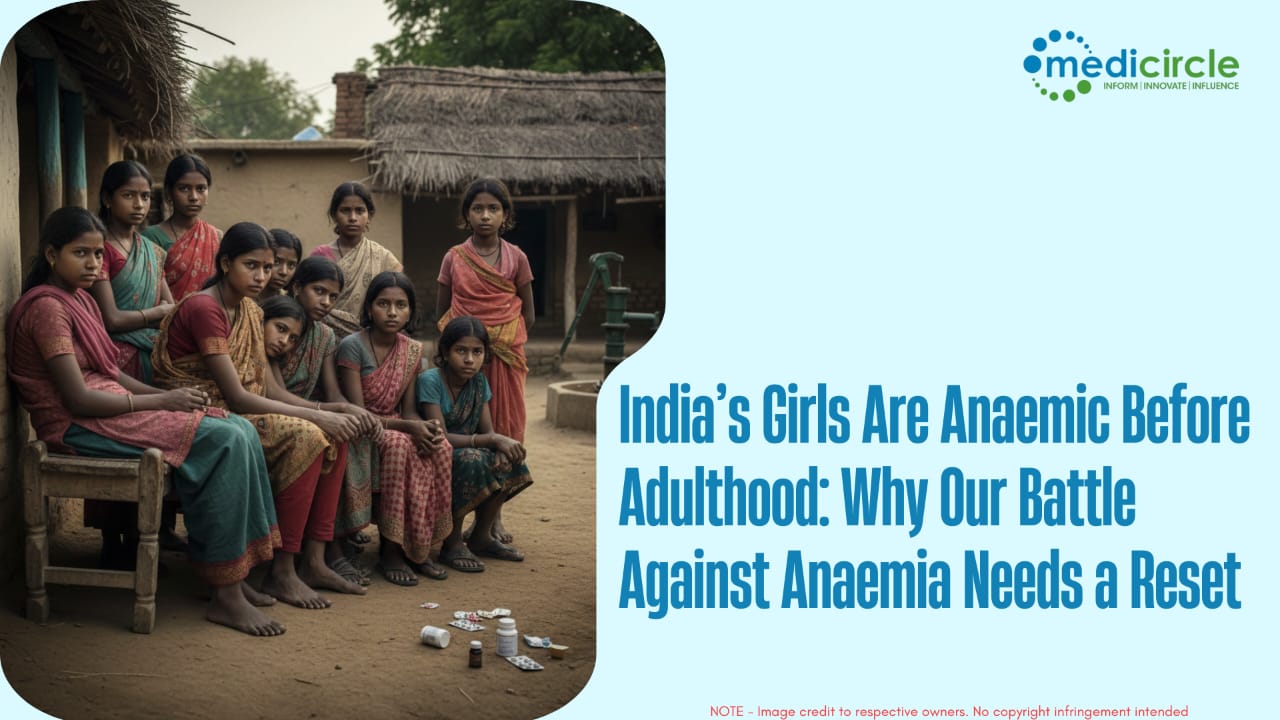
 Anaemia reduction cannot rely solely on pills handed out through overstretched systems. It requires finding people where they live, understanding their actual health status, and responding accordingly.




India has lived with anaemia for so long that it has almost become an accepted background condition of public health. It rarely makes headlines, yet it quietly shapes childhood development, adolescent potential, maternal safety, and national productivity. The latest findings from scientists at Indian Council of Medical Research – National Institute of Nutrition signal that this silent crisis does not need another slogan or incremental tweak. It needs a decisive shift in how the country identifies and treats anaemia, especially among adolescent girls and women who carry the heaviest burden.
Anaemia is not a marginal problem. It affects children who struggle to concentrate in school, teenage girls who enter adulthood already depleted, and women whose health determines the survival and wellbeing of the next generation. For decades, India’s response has focused on supplementation through public health facilities and periodic outreach, anchored largely around pregnancy. While well-intentioned, this approach has left large gaps. Many people who need care are never tested. Many who receive supplements stop taking them. Many remain anaemic without ever being counted.
Against this backdrop, a population-based “screen and treat” strategy sounds almost obvious, yet it has rarely been tested at scale in real community settings. That is what makes the recent cluster-randomised trial published in BMJ Global Health so important. Conducted across villages in Telangana, the study examined whether proactively screening people near their homes and offering treatment based on actual haemoglobin levels could outperform routine services. The answer, backed by data rather than aspiration, is yes.
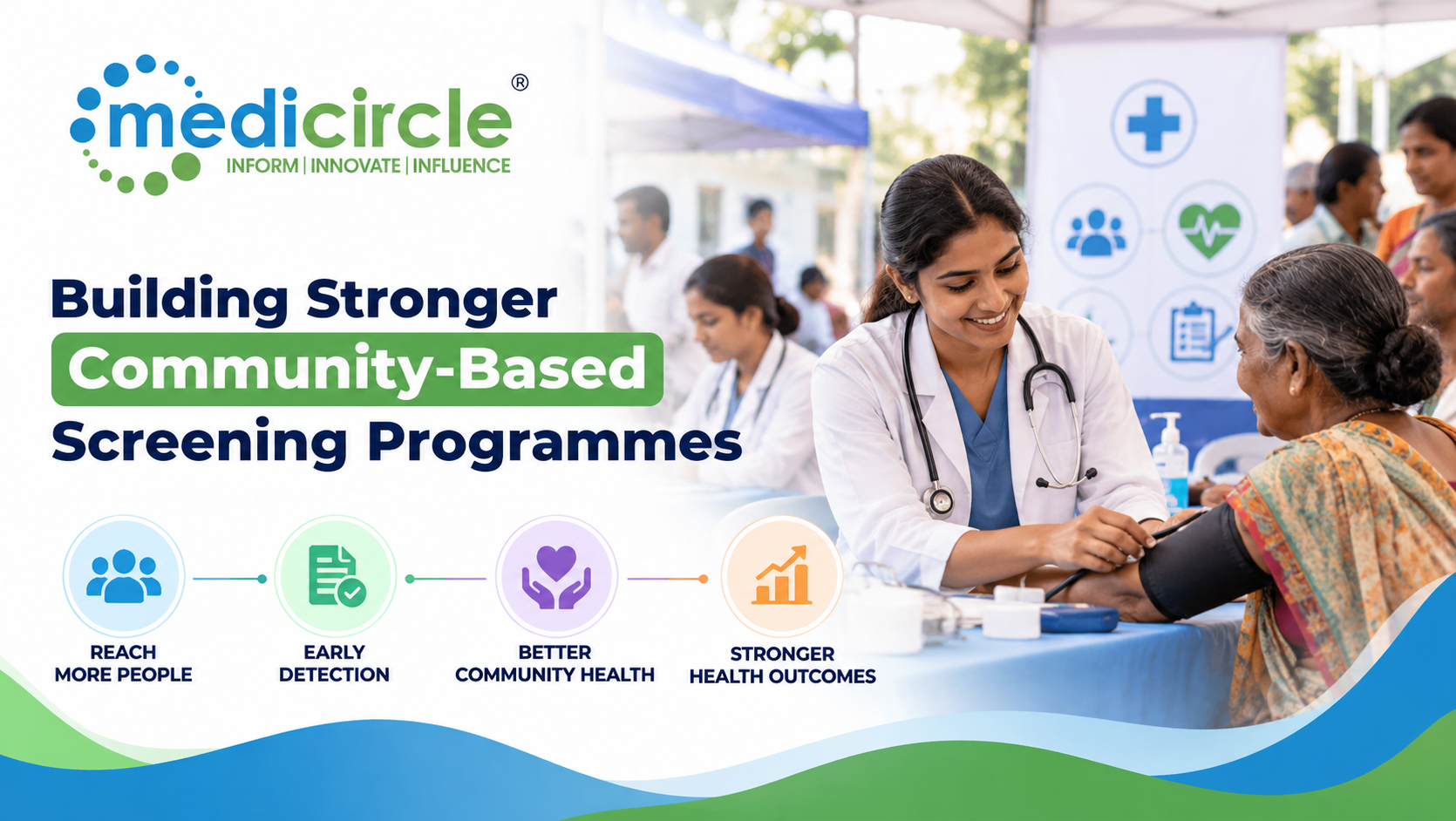
The strategy, known as STAR or Screen and Treat for Anaemia Reduction, moves anaemia control out of clinics and into communities. Health workers did not wait for people to seek care. They went to them. Using portable testing devices, they measured haemoglobin levels on the spot and provided iron–folic acid supplementation that matched each person’s condition. Those with anaemia received therapeutic doses. Those without received preventive doses, in line with national guidelines. This may sound simple, yet it addresses one of the most persistent failures in anaemia control: the assumption that one-size-fits-all prevention is enough.
The scale of the effort itself is telling. More than six thousand individuals between six months and fifty years of age were actively screened in intervention villages, while over five thousand formed a comparison group receiving routine services. This was not a laboratory experiment or a tightly controlled urban pilot. It unfolded in real villages, with all the logistical challenges and social realities that come with community health work in India. That makes the outcomes more persuasive.
The results speak directly to those who argue that anaemia is too complex or too entrenched to change meaningfully. Among adolescent girls, the group most vulnerable to iron deficiency and its long-term consequences, anaemia prevalence dropped sharply. Average haemoglobin levels rose by nearly three-quarters of a gram per decilitre, a gain that translates into real improvements in energy, immunity, and cognitive function. Women of reproductive age also saw measurable benefits, with a decline in anaemia prevalence that may appear modest at first glance but carries enormous implications when applied across millions.
What makes these findings particularly striking is that they emerged despite imperfect adherence to supplementation. Less than half of those advised to take iron–folic acid followed the regimen fully. In other words, the strategy delivered results even without ideal compliance. This suggests that the impact could be far greater if counselling, follow-up, and community engagement are strengthened. It also challenges the fatalism that often surrounds anaemia programmes, where low adherence is treated as an unchangeable reality rather than a design problem to be solved.
To understand why this matters, one has to look at the broader national picture. Data from National Family Health Survey-5 paint a stark portrait of anaemia in India. More than half of women, nearly two-thirds of young children, and a majority of adolescent girls are anaemic. These are not marginal figures. They represent a systemic failure to ensure adequate nutrition, timely diagnosis, and effective treatment. The consequences ripple outward, affecting school performance, workforce participation, pregnancy outcomes, and healthcare costs.
India’s flagship response, the Anaemia Mukt Bharat initiative, has rightly prioritised awareness and supplementation. Yet its reliance on facility-based screening and prophylactic distribution means that many high-risk individuals are missed. Adolescents who rarely visit health facilities, women outside pregnancy, and children who fall through the cracks remain invisible. STAR directly addresses this invisibility by flipping the model. Instead of expecting people to come to the system, the system goes to them.
There is a deeper lesson here about how public health interventions succeed or fail. Programmes often falter not because they lack scientific validity, but because they underestimate everyday barriers. Distance to clinics, time away from work or school, fear of testing, and lack of perceived urgency all reduce uptake. Doorstep screening lowers these barriers dramatically. It normalises testing, reduces stigma, and turns anaemia from an abstract concept into a measurable reality for families.
Equally important is the precision embedded in the STAR approach. Treating everyone the same assumes that prevention alone will eventually correct deficiency. In reality, those who are already anaemic need higher doses and closer monitoring. Without that, supplements become symbolic rather than therapeutic. By tailoring treatment to haemoglobin levels, STAR aligns practice with physiology. It respects the difference between preventing deficiency and reversing it.
Critics may argue that such an approach is resource-intensive. Portable analysers cost money. Training health workers takes time. Doorstep visits require coordination. These concerns are valid, yet they must be weighed against the hidden costs of anaemia itself. Reduced productivity, increased maternal and neonatal complications, higher susceptibility to infections, and long-term cognitive deficits impose a far greater economic burden. From that perspective, proactive screening looks less like an expense and more like an investment.
There is also the question of scalability. Can a strategy tested in fourteen villages be expanded across states and districts? The answer depends less on technology and more on political will and administrative imagination. India already has a vast frontline health workforce. Integrating haemoglobin testing and targeted supplementation into their routine activities is not a radical reinvention. It is an optimisation. Digital tools, supply chain reforms, and performance incentives can further support scale-up.
Behaviour change remains the most stubborn challenge. The study’s modest adherence rates highlight a truth that public health professionals know well: pills alone do not change habits. Iron supplements are often associated with side effects, misconceptions, and cultural beliefs. Overcoming these barriers requires sustained communication, trust-building, and involvement of families, teachers, and community leaders. STAR creates an opportunity for such engagement by initiating contact at the household level. Each screening visit becomes a moment for dialogue, education, and reassurance.
The implications extend beyond anaemia. The success of a screen-and-treat model reinforces the value of proactive, data-driven community health strategies. It suggests that other conditions, from hypertension to diabetes, could benefit from similar approaches. In that sense, STAR is not just about iron deficiency. It is about rethinking how preventive and therapeutic services intersect in a country with diverse needs and uneven access.
The findings arrive at a critical moment. India is investing heavily in digital health, primary care strengthening, and women’s wellbeing. Integrating structured anaemia screening into these efforts could accelerate progress toward multiple goals, from reducing maternal mortality to improving adolescent health indicators. The evidence now exists. What remains is the courage to act on it.
There is also a moral dimension to this discussion. Anaemia disproportionately affects those with the least voice: young girls, rural women, and low-income families. Allowing it to persist when effective strategies are available raises uncomfortable questions about equity and accountability. A country that aspires to demographic dividend and global leadership cannot afford to let half its population begin life or adulthood at a physiological disadvantage.
The STAR study does not claim to be a magic solution. The researchers themselves acknowledge the need for stronger adherence support and long-term follow-up. Yet its value lies in demonstrating what is possible when public health moves from passive distribution to active engagement. It replaces assumption with measurement, generalisation with precision, and inertia with intent.
Anaemia reduction cannot rely solely on pills handed out through overstretched systems. It requires finding people where they live, understanding their actual health status, and responding accordingly. The evidence from Telangana shows that when this happens, even entrenched problems begin to yield.
For a country long resigned to anaemia as an unavoidable statistic, this is an invitation to imagine a different future. One where adolescent girls enter adulthood with strength rather than deficiency. One where women of reproductive age are healthier before pregnancy begins. One where anaemia is identified early, treated appropriately, and prevented sustainably.
Screening at the doorstep may seem like a small operational change. In reality, it represents a philosophical shift. It says that public health is not about waiting. It is about reaching. And in a nation where millions still live with invisible deficiencies, that shift could make all the difference.




-23-300x250.png)

.jpeg)
.jpg)
.jpg)
.jpg)
.jpg)
.jpg)
.jpg)
.jpg)
.jpg)
.jpg)