 Thursday, October 08, 2026
 While India is spending an estimated ₹9.62 lakh crore towards mental health conditions over the last two decades, yet the vast majority of patients discharged from psychiatric care have nowhere to go due to lack of structured support, continuity and mainly the absence of a bridge back to normal life.




NEW DELHI, 28th April 2026: While India is spending an estimated ₹9.62 lakh crore towards mental health conditions over the last two decades, yet the vast majority of patients discharged from psychiatric care have nowhere to go due to lack of structured support, continuity and mainly the absence of a bridge back to normal life.
The mental wellness chain Maarga Mind Care is now challenging that status quo by launching an Integrative Day Care Program, which is a structured outpatient model designed to help patients who have stabilised but aren't ready to navigate daily life alone.
It's a direct response to the 70% - 92% treatment gap currently being faced by India. The gap between mere symptom control and complete functional recovery leaves families overwhelmed, making relapse rates stubbornly high. Nearly 15% of India's adult population requires clinical mental health support yet the treatment gap runs as high as 92%.
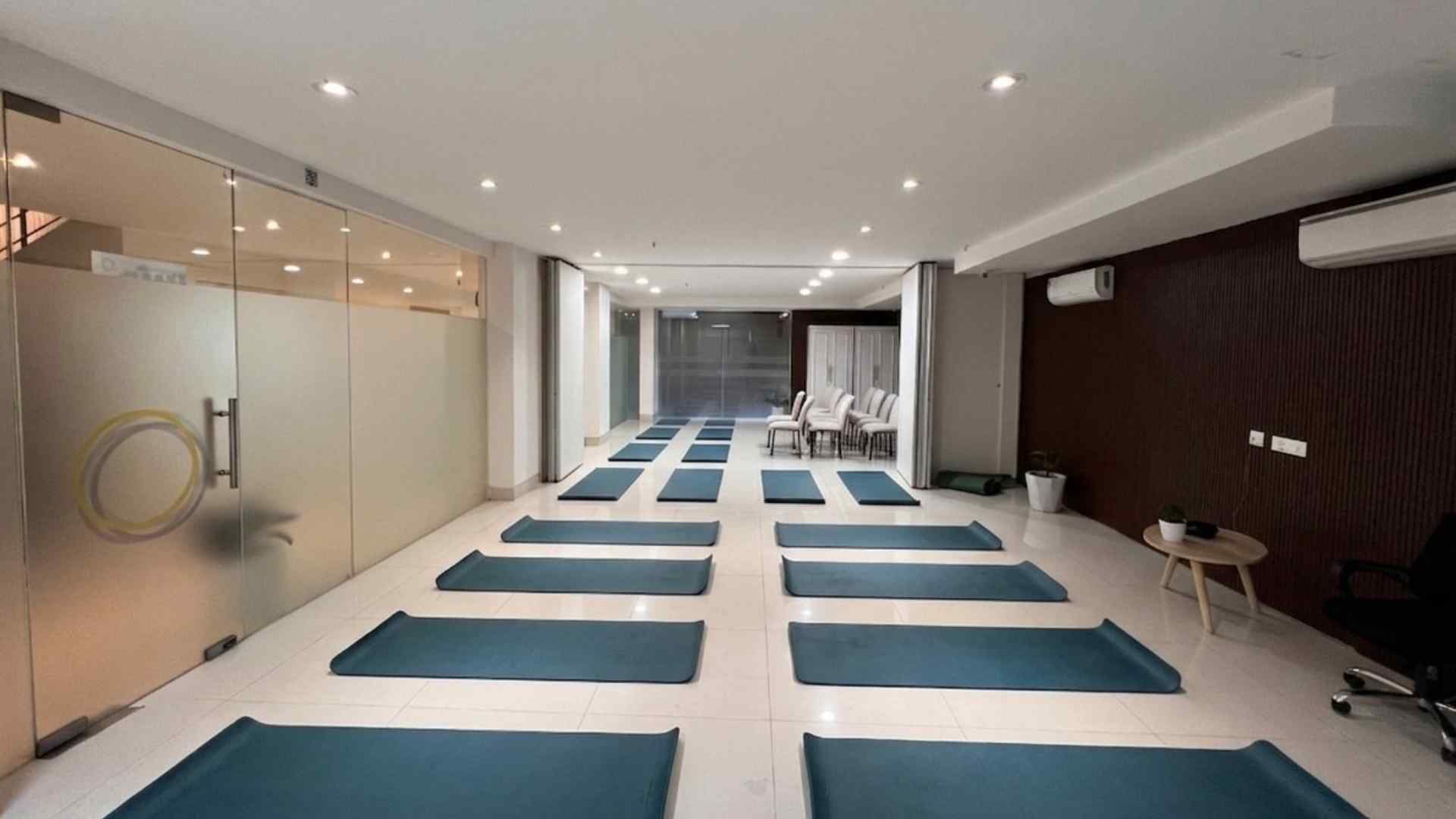
The support program is designed such that patients attend the wellness facility during working hours and return home each evening, maintaining real-world connections while receiving intensive, supervised care during most part of the day. The model combines milieu therapy, a proprietary Cognitive-Motor-Sensory Integration protocol, psychotherapy, and expressive therapies including music, yoga, and art.
Commenting on the introduction of the program, Dr Jothi Neeraja, Founder & MD, Maarga Mind Care said, “Our Integrative Day Care Program has been designed as a structured, compassionate, and personalised mental healthcare offering that supports individuals through recovery in a more holistic way. By combining therapeutic care, routine, emotional regulation, and social engagement, the program helps rebuild confidence, regain stability, and move forward meaningfully in their daily lives.”
The program is supervised by psychiatrists and clinical psychologist; and delivered by a multidisciplinary team of case managers, music, yoga and expressive art therapy facilitators and specialist nursing staff. With regular observation and coordinated reviews, support can be customized to the needs of each patient as recovery progresses.
Delhi/NCR’s fast-paced urban life, academic pressure, workplace stress and dense population are increasing the need for accessible mental health support. Recent Delhi-based studies show worrying trends, with 25.92% of school-going adolescents reporting symptoms of depression and 13.70% reporting anxiety, while another urban Delhi study found anxiety disorders among 35.3% of adolescents. At the same time, institutions such as IHBAS continue to see high demand, reporting 91% average bed occupancy and 4,712 emergency patients in a year, including cases linked to depression, suicide risk and behavioural concerns.
This points to a growing need for stronger mental health infrastructure in Delhi especially care models that go beyond one-time consultations or crisis management. With India’s mental health treatment gap,
structured programs such as Maarga Mind Care’s Integrative Day Care Program can help bridge the gap by offering continued therapeutic support, recovery planning and family relief in an urban setting.
Dr Jyoti Kapoor, Senior Consultant Psychiatrist & Psychotherapist, Maarga Mind Care, said, “What makes this program stand out is its balance of structured therapeutic activity with equally intentional moments of restoration. Through this program, patient families have reported better understanding of the patient’s condition, improved communication patterns, enhanced trust in the recovery process and reduced caregiver burden due to structured and supervised engagement.”
“Mental healthcare needs to move beyond the typical interventions and create more structured pathways for recovery, which can accommodate the patients and caregivers' preferences and necessities. Our Integrative Day Care Program is designed to provide structured and compassionate support in a way that is holistic, personalised, and grounded in continuity of care,” says Dr. Abhishek Hariharan Kandluri, Co-Founder, Executive Director & CBO, Maarga Mind Care.
With facilities in Bengaluru and Gurugram and plans to scale to 25 centres by 2030, Maarga Mind Care is betting that bridging the post-acute gap is the missing piece in India's broken mental health infrastructure.






.jpeg)










.jpg)
.jpg)
.jpg)
.jpg)
.jpg)
.jpg)


.jpg)