Tuesday, October 27, 2026
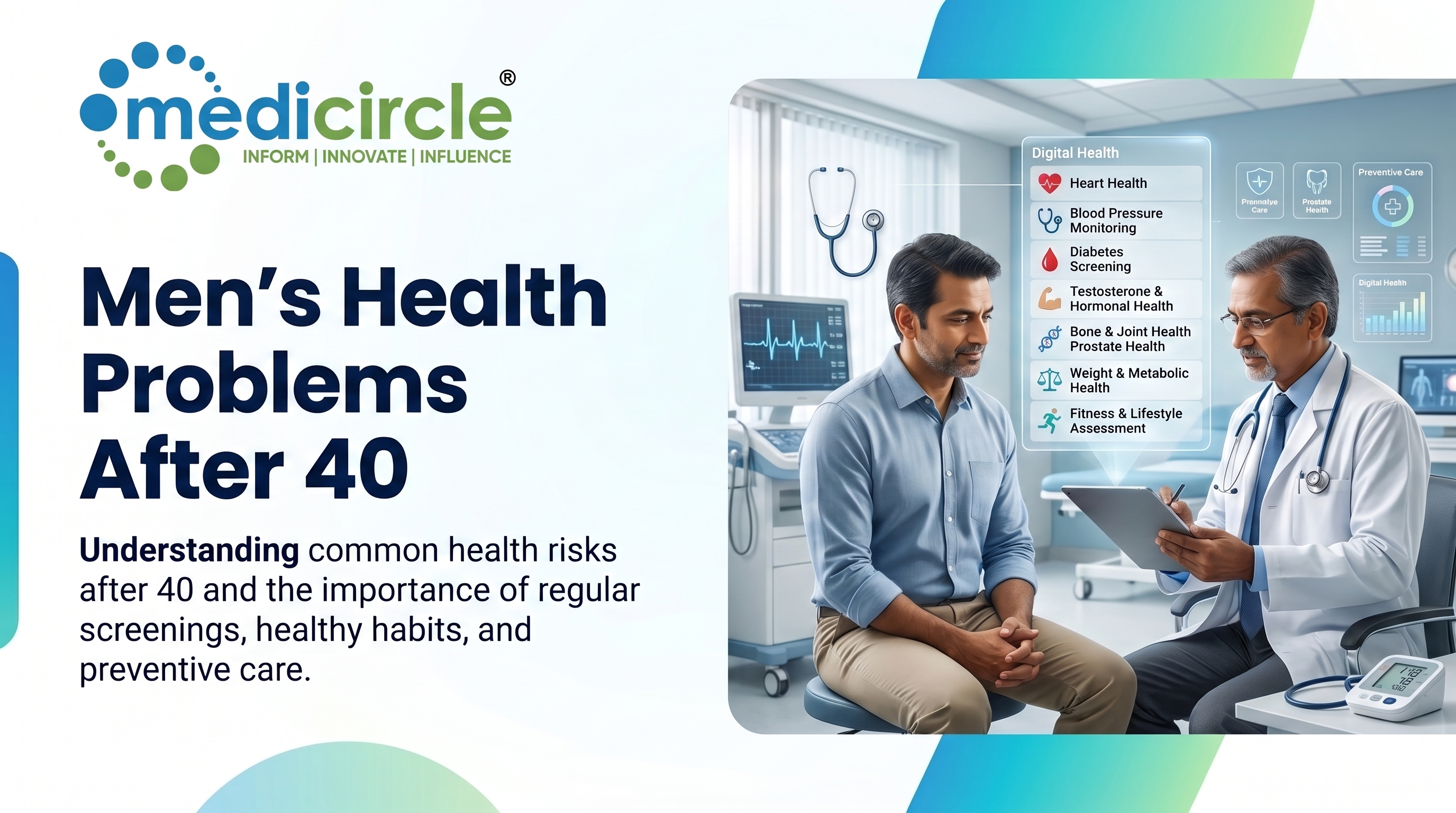
 This guide examines common health problems Indian men face after 40, including heart disease, diabetes, prostate concerns, and mental health, with practical prevention strategies.





Introduction
Turning 40 is often treated as a milestone worth celebrating, yet it is also the point at which the body begins to reveal the cumulative effect of years of habits, both good and bad. For men in India, this decade carries particular significance. The body's metabolism starts to shift, muscle mass gradually declines, hormone levels begin to change, and the risk of several chronic conditions rises sharply. Understanding these changes early is not a cause for alarm. It is an opportunity to take charge of long-term health before small issues become serious ones.
India's health landscape makes this decade especially important to watch. Large national studies, including the ICMR-INDIAB survey, have found that hypertension affects an estimated 35.5 percent of adults and diabetes affects 11.4 percent, with prediabetes present in another 15.3 percent of the population. Men are affected differently from women, and research using India's National Family Health Survey data has specifically examined how these conditions cluster among men in their 40s and beyond. This article looks at the most common health problems men encounter after 40, why they occur, how to recognise the early signs, and what practical, evidence-based steps can help protect long-term wellbeing.
Why the 40s Mark a Turning Point for Men's Health
The body does not change overnight, but several physiological shifts accelerate around this age. Testosterone levels typically begin a slow, gradual decline from the mid-30s onward, and by the 40s, many men notice subtle effects on energy, muscle strength, and mood. Basal metabolic rate slows down, which means the same diet and activity level that maintained a healthy weight in the 30s may now lead to gradual weight gain, particularly around the abdomen.
This abdominal weight gain is not just a cosmetic concern. Visceral fat, the fat stored around internal organs, is closely linked to insulin resistance, high blood pressure, and unfavourable cholesterol patterns. Research on Indian populations has consistently shown that cardiovascular disease cases in India rose from 25.7 million in 1990 to 54.5 million by 2016, with high body mass index, hypertension, diabetes, and high cholesterol identified as the leading contributing risk factors. For Indian men specifically, these risks often appear at a younger age and at a lower body weight than seen in Western populations, largely due to genetic predisposition toward central obesity and insulin resistance.
Work stress, long commutes in cities such as Mumbai, Bengaluru, and Delhi, irregular eating patterns, and reduced physical activity in desk-based careers all compound these biological changes. The result is that many men in their 40s are managing early, often silent, versions of conditions that can become serious by their 50s and 60s if left unaddressed.
Common Health Problems Men Face After 40
Cardiovascular Disease and HypertensionHeart disease remains one of the leading causes of death among Indian men, and the risk begins rising notably after 40. High blood pressure is frequently called a silent condition because it produces no symptoms in its early stages, yet it steadily damages blood vessels, the heart, kidneys, and eyes. Data from a large-scale Indian study found that age-standardised hypertension prevalence among Indian men was approximately 24.5 percent, and importantly, among men over 40 in the poorest wealth quintile in rural areas, close to 30 percent already had hypertension. This shows that the condition is not limited to urban, affluent populations but cuts across income levels and geography.
Warning signs, when they do appear, may include headaches, breathlessness during routine activity, chest discomfort, or unusual fatigue. However, the safest approach is not to wait for symptoms. Annual blood pressure monitoring after 40 allows early detection and management through diet, physical activity, and medication where necessary, significantly reducing the risk of heart attack and stroke later in life.
Type 2 Diabetes and PrediabetesDiabetes is another condition that tends to emerge quietly in this decade. Indian men are known to develop type 2 diabetes at a lower body mass index than men in Western countries, a phenomenon partly attributed to genetics and higher visceral fat storage. National data shows that diabetes prevalence stood at 11.4 percent and prediabetes at 15.3 percent nationally, with both conditions more common in urban areas than rural ones. This urban pattern is particularly relevant for men working in Tier 1 and Tier 2 cities, where sedentary jobs, processed food availability, and irregular sleep schedules are common.
Left undiagnosed, diabetes gradually damages blood vessels, nerves, kidneys, and eyes. Fortunately, the period before full diabetes develops, known as prediabetes, offers a genuine window for reversal through weight management, dietary changes, and regular exercise. This is one of the more encouraging findings from Indian research, since prediabetes responds well to timely lifestyle intervention.
Prostate Health ConcernsThe prostate gland tends to enlarge gradually with age, a condition known as benign prostatic hyperplasia. This is distinct from prostate cancer, though both become more relevant as men move through their 40s and beyond. Symptoms of an enlarging prostate include a weaker urine stream, a sense of incomplete bladder emptying, and more frequent trips to the bathroom, especially at night.
While prostate cancer screening is generally not recommended for men under 55 unless there is a strong family history, men in their 40s should still make a habit of mentioning any urinary changes to their doctor. Early conversations about prostate health, even before formal screening begins, help build a baseline understanding that becomes valuable in later decades.
Sexual Health and Erectile DysfunctionChanges in sexual function are common after 40, yet they remain one of the most underreported health concerns among Indian men due to social stigma and hesitation to discuss the topic openly. Erectile dysfunction is often dismissed as a normal part of aging, but it frequently signals an underlying vascular, metabolic, or hormonal issue. Because the blood vessels supplying the penis are smaller than coronary arteries, erectile difficulties can sometimes appear years before a cardiovascular event, making them an important early warning sign rather than something to overlook.
Declining testosterone levels can also contribute to reduced libido, fatigue, and mood changes. A frank and confidential conversation with a urologist or general physician can help identify whether the cause is vascular, hormonal, psychological, or a combination of factors, and appropriate treatment can often restore quality of life significantly.
Weight Gain, Metabolic Syndrome, and Fatty LiverMany men notice that their waistline expands in their 40s even without significant changes to diet. This is partly hormonal and partly metabolic. When abdominal obesity combines with high blood pressure, elevated blood sugar, and abnormal cholesterol, doctors describe this cluster as metabolic syndrome, a condition that substantially raises the risk of heart disease and diabetes.
Non-alcoholic fatty liver disease has also become increasingly common in India, linked closely to obesity, diabetes, and dietary patterns rich in refined carbohydrates and fried foods. It often has no symptoms until it is picked up incidentally during a routine abdominal ultrasound or blood test, which is another reason regular health checkups matter more after 40 than in earlier decades.
Musculoskeletal Changes and Bone HealthMuscle mass naturally declines with age in a process called sarcopenia, and this decline can begin as early as the late 30s if strength training is neglected. Joint stiffness, lower back pain, and reduced flexibility also become more noticeable. While osteoporosis is more commonly discussed in relation to women, men are not immune, particularly those with risk factors such as smoking, low physical activity, or long-term steroid use for other conditions.
Maintaining strength through regular resistance exercise, adequate protein intake, and sufficient vitamin D exposure or supplementation becomes increasingly important for preserving mobility and independence in later life.
Mental Health and Emotional WellbeingThe 40s often bring a convergence of responsibilities, including career pressures, aging parents, growing children, and financial obligations. Many Indian men have been culturally conditioned to suppress emotional struggles, which can lead to untreated anxiety, stress, or depression manifesting instead as irritability, sleep disturbance, or physical complaints such as fatigue and headaches.
Recognising that mental health is as important as physical health is a significant step. Simple practices such as regular physical activity, adequate sleep, open conversations with trusted family members or friends, and professional counselling when needed can meaningfully improve quality of life during this stage.
Recognising the Warning Signs
Some symptoms deserve prompt medical attention rather than being dismissed as ordinary tiredness or a temporary phase. These include persistent breathlessness during mild exertion, unexplained weight loss or gain, chest discomfort, frequent urination at night, new or worsening erectile difficulties, prolonged low mood or irritability, and unusual fatigue that does not improve with rest.
It is worth noting that many serious conditions in this age group, including hypertension, diabetes, and early heart disease, produce minimal or no symptoms in their initial stages. This is precisely why symptom-based awareness alone is not sufficient. Regular screening, even in the absence of complaints, remains the most reliable way to detect problems early.
Diagnosis and Medical Evaluation
A structured annual health checkup after 40 should ideally include blood pressure measurement, fasting blood glucose and HbA1c testing, a complete lipid profile, kidney and liver function tests, and a body mass index and waist circumference assessment. Depending on individual risk factors and family history, additional tests such as an ECG, thyroid function test, vitamin D and vitamin B12 levels, and a prostate-specific antigen test may be recommended by a physician.
India's growing digital health infrastructure has made this easier to manage. The Ayushman Bharat Digital Mission, or ABDM, allows individuals to maintain a digital health record that consolidates test results, prescriptions, and consultation history across providers, which is particularly useful for men who see multiple specialists as different concerns arise in this decade. Choosing a hospital or diagnostic centre accredited by the National Accreditation Board for Hospitals and Healthcare Providers, known as NABH, adds a further layer of confidence in the quality of testing and care received.
Treatment Options and Management Strategies
Management of these conditions is rarely about a single intervention. For cardiovascular risk and hypertension, treatment typically combines dietary sodium reduction, regular aerobic exercise, weight management, and medication when blood pressure remains elevated despite lifestyle changes. For diabetes and prediabetes, structured dietary changes focusing on whole grains, fibre, and portion control, combined with regular physical activity, form the foundation of management, with medication added as required.
Prostate symptoms are generally managed first with medication to relax the prostate and bladder muscles, with surgical options reserved for more significant or refractory cases. Erectile dysfunction treatment depends on the underlying cause and may include addressing cardiovascular risk factors, hormone evaluation, oral medications, or counselling for psychological contributors. Mental health concerns are best addressed through a combination of lifestyle adjustments, social support, and professional counselling or therapy where symptoms are persistent or significant.
Across all these areas, working with qualified specialists rather than relying on informal advice or unverified online sources is essential. Platforms that connect patients with credible medical expertise play a valuable role here, helping men access accurate information and appropriate specialist guidance rather than navigating these decisions alone.
Prevention and Proactive Health Measures
Prevention after 40 rests on a few consistent habits practised regularly rather than occasional bursts of effort. A balanced diet emphasising vegetables, whole grains, lean protein, and healthy fats, while limiting refined sugar, deep-fried foods, and excessive salt, forms the foundation. Regular physical activity, ideally combining cardiovascular exercise with strength training at least twice a week, helps address multiple risk factors simultaneously, from weight management to muscle preservation and cardiovascular health.
Adequate sleep of seven to eight hours, moderation or avoidance of alcohol, complete avoidance of tobacco, and active stress management through practices such as yoga, meditation, or simply dedicated leisure time all contribute meaningfully to long-term wellbeing. Annual health screenings, rather than waiting for symptoms to appear, remain the single most effective preventive strategy available. Staying current with recommended vaccinations, including influenza and other age-appropriate immunisations as advised by a physician, is another often overlooked aspect of preventive care in this decade.
Government initiatives such as the National Programme for Prevention and Control of Non-Communicable Diseases, along with the broader National Health Policy framework, have expanded access to screening camps and NCD clinics across many states, including in Tier 2 cities. Men are encouraged to take advantage of these resources rather than deferring checkups indefinitely.
Conclusion
The 40s do not have to be a decade defined by declining health. They can instead become a decade of renewed attention, where small, consistent choices around diet, movement, sleep, and regular screening meaningfully shape the years ahead. The evidence from Indian health research is clear that conditions like hypertension, diabetes, and cardiovascular disease often begin quietly in this age group, but it is equally clear that early detection and sustained lifestyle change can significantly alter their course. Men who approach this decade proactively, seeking reliable medical guidance rather than ignoring early signs, place themselves in a far stronger position for the decades that follow.
Frequently Asked Questions
Q1: What health tests should men in India get after turning 40?
Men above 40 should get an annual blood pressure check, fasting blood sugar and HbA1c test, a complete lipid profile, kidney and liver function tests, and an ECG if cardiac risk factors are present. Prostate-specific antigen testing is generally discussed after age 50 unless there is a significant family history of prostate cancer.
Q2: Why do Indian men face higher health risks after 40 compared to Western populations?
Indian men often develop diabetes, hypertension, and heart disease at a younger age and with lower body weight compared to men in Western countries. This is influenced by genetic predisposition to abdominal fat storage, dietary patterns high in refined carbohydrates, and lower levels of physical activity in urban lifestyles.
Q3: Is erectile dysfunction after 40 always related to aging?
Not always. While some decline in sexual function can accompany aging, erectile dysfunction is frequently an early indicator of underlying vascular, metabolic, or hormonal issues such as diabetes, high blood pressure, or low testosterone, and should be evaluated by a doctor rather than dismissed.
Q4: How common is prostate enlargement in Indian men after 40?
Benign prostatic hyperplasia becomes increasingly common from the 40s onward. Symptoms such as frequent urination, a weak urine stream, and nighttime urination should be discussed with a urologist for proper evaluation and management.
Q5: Can lifestyle changes reverse early health problems detected after 40?
In many cases, yes. Conditions such as prediabetes, early hypertension, and fatty liver disease often respond well to sustained changes in diet, physical activity, sleep quality, and stress management, particularly when identified early through regular screening.
Resources
- Indian Council of Medical Research (ICMR): National health research studies including the ICMR-INDIAB survey on diabetes and metabolic disease prevalence.
- World Health Organization (WHO): Global guidance and India-specific data on non-communicable disease prevention.
- Ministry of Health and Family Welfare, Government of India: National Health Policy and NCD prevention programme information.
- Ayushman Bharat Digital Mission (ABDM): Digital health record infrastructure for consolidated health tracking.
- National Accreditation Board for Hospitals and Healthcare Providers (NABH): Accreditation standards for hospitals and diagnostic centres in India.
Interlinking Keywords
hypertension in India, type 2 diabetes symptoms, prostate health screening, erectile dysfunction causes, men's mental health India, preventive health checkup, NCD screening India, testosterone decline, fatty liver disease, Ayushman Bharat Digital Mission
Last medically reviewed by:
Medicircle Editorial Team on July 13, 2026
Medical Disclaimer:
This article is intended for general informational and awareness purposes only and does not constitute medical advice, diagnosis, or treatment. Readers should consult a qualified physician or healthcare provider for any health concerns, symptoms, or before making decisions regarding their health. Medicircle does not endorse self-diagnosis or self-medication based on the content of this article.





-23-300x250.png)

.jpeg)




.jpg)
.jpg)
.jpg)
.jpg)
.jpg)
.jpg)
.jpg)
.jpg)
.jpg)