 Sunday, September 20, 2026
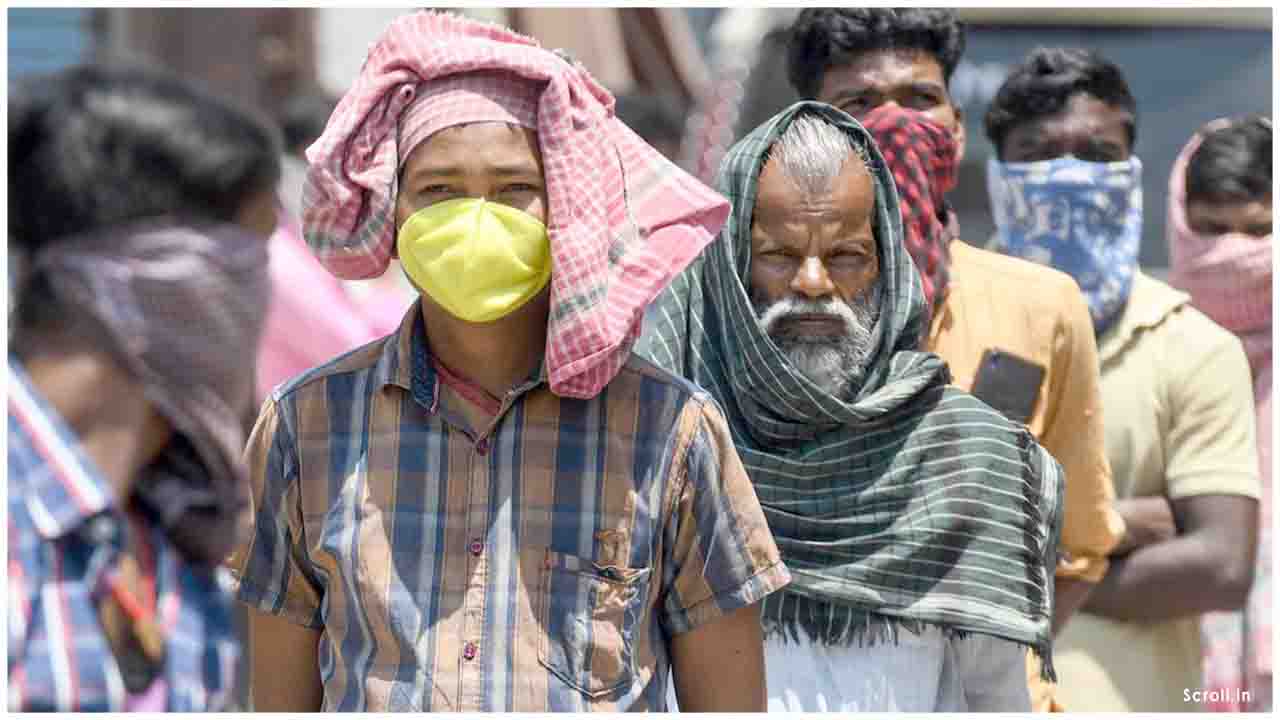
 Bihar government going all the way to contain the Coronavirus infections due to returning migrant workers




In Bihar number of positive cases of Coronavirus infection have mounted to 4096 with reporting of fresh cases of 151 during 24 hours.The fresh death was reported from Sitamarhi district.
The death toll now stands at 24.Altogether 1,803 patients were recovered and discharged from hospitals.2,269 patients are undergoing treatment in various hospitals.The recovery rate is over 44 percent.Alltogether 81,413 samples have been tested at several testing centre across the state.The migrants alone have contributed 2,903 or 82.19% of the total new cases recorded in Bihar.
Of these 2,903 cases of migrants tested positive in Bihar, as many as 713 have returned from Maharashtra alone whereas 613 returnees are from New Delhi and 437 from Gujarat. Apart from this, 246 cases have tested positive from migrants returned from Haryana while the corresponding number from Uttar Pradesh is 160. State-wise segregation of cases has been done to identify the high-risk states. Many people coming from these states are being immediately tested.n Bihar number of positive cases of Coronavirus infection have mounted to 4096 with reporting of fresh cases of 151 during 24 hours.The fresh death was reported from Sitamarhi district.
Recently, Bihar government decided to keep at the block level quarantine centers only those migrant workers who are returning from 11 high risk cities like Delhi, Mumbai, Surat, Kolkata and Gurugram. For those coming from other cities, the concerned District Magistrate will decide whether to put them in institutional quarantine or allow them to home quarantine.
Chief Secretary Deepak Kumar said this provision have been made in view of coming of a large number of migrant workers from different parts of the state. Mr Kumar clarified that those coming on flights or their own vehicle or on purchased rail tickets will be allowed home quarantine. Over 9 lakh 60 thousand migrant workers are living in 13 thousand 825 block level quarantine centers.
Alongwith the block level quarantine centres, Bihar government had also set up quarantine centres at panchyat and village level. Pratya Amrit ,Principal Secretary of Disaster Management Department said this decision has been taken in view of increasing number of migrant workers in the state. About six lakh migrant labourers have been kept at block level quarantine centres. Workers coming from Delhi, Mumbai,Pune ,Surat,Ahmedabad and Kolkata will be kept in these camps for 14 days. People from Gujrat, Tamil nadu, Haryana and UP will be kept at panchayat level quarantine centres. Workers from rest of the state will be kept at village level quarantine centres.






.jpeg)



.jpg)



.jpg)
.jpg)
.jpg)
.jpg)
.jpg)
.jpg)


.jpg)
.jpg)
.jpg)
.jpg)