 Monday, October 05, 2026
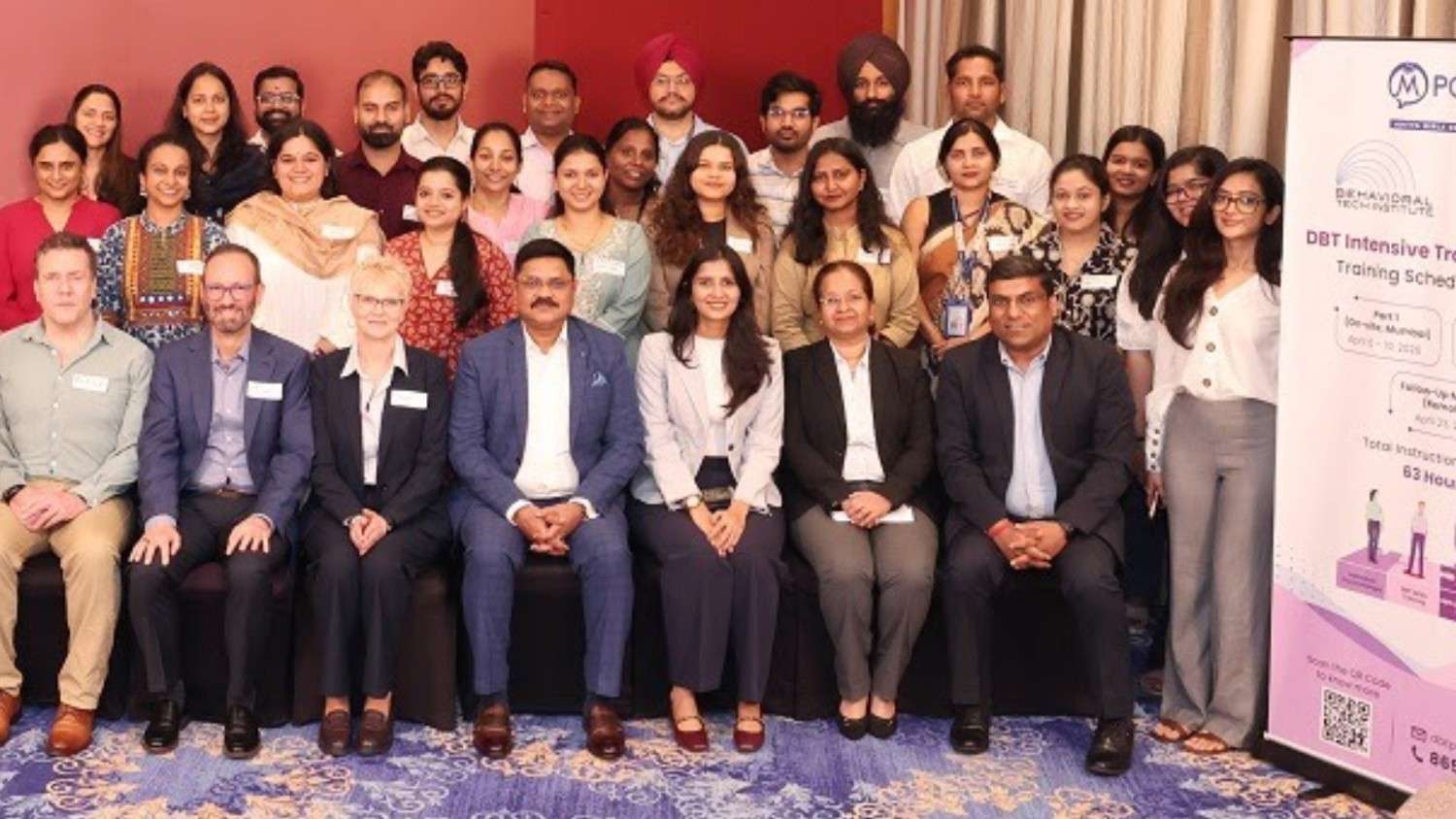
 In a significant step towards strengthening India’s mental health ecosystem, Mpower, an initiative of the Aditya Birla Education Trust (ABET) founded by Mrs Neerja Birla, has partnered with the globally renowned Behavioral Tech Institute (BTECH) to introduce a structured, evidence-based Dialectical Behavior Therapy (DBT) programme in India.




Mumbai, Maharashtra, India
In a significant step towards strengthening India’s mental health ecosystem, Mpower, an initiative of the Aditya Birla Education Trust (ABET) founded by Mrs Neerja Birla, has partnered with the globally renowned Behavioral Tech Institute (BTECH) to introduce a structured, evidence-based Dialectical Behavior Therapy (DBT) programme in India.
This programme represents an important step in addressing high-risk mental health conditions, with Mpower being among the early mental healthcare providers in India to introduce a structured and evidence-based DBT programme at scale, particularly for individuals at risk of suicide and self-harm.
The initiative, which is also supported by Marsh India as part of its CSR commitment to enabling mental health initiatives in India, is being implemented through an ongoing DBT Intensive Programme in Mumbai for the first cohort, marking the beginning of a year-long structured capability-building journey aligned with global standards followed by the Behavioral Tech Institute. It goes beyond one-time training and includes foundational and advanced modules, ongoing case-based consultation, team-based learning, and real-world clinical application, ensuring sustained capability building.
India continues to face a significant mental health burden, with over 170,000 suicide deaths reported annually. Nearly 35-40 percent of these cases are among young people aged 15 to 29, with notable variations across gender. Despite this, access to structured and evidence-based interventions for high-risk individuals remains limited, particularly within public healthcare systems.
The programme has brought together leading clinicians and institutions, including NIMHANS, Punjab Health Ministry, Sion Hospital, Nair Hospital, KEM Hospital, Thane Regional Mental Hospital, Mindset Wellness, and Masina Hospital, as part of its first cohort aimed at strengthening the public healthcare system, reflecting a growing and multi-institutional commitment to building frontline clinical capacity.
Dialectical Behavior Therapy (DBT), developed by Dr. Marsha M. Linehan, is globally recognised for its effectiveness in reducing suicide attempts, self-harm behaviours, and psychiatric hospitalisations. Its structured and skills-based approach makes it particularly relevant for individuals experiencing severe emotional distress and those at high risk of suicide. Over the next five years, Mpower aims to build a robust network of DBT-trained clinicians and enable the adoption of structured DBT protocols across leading public and private healthcare institutions, helping to bridge the gap between clinical need and access to specialised care in India.
Speaking on the initiative, Mrs Neerja Birla, Founder and Chairperson, Mpower and Aditya Birla Education Trust, said, “India is at a critical inflection point in its mental health journey. While awareness is increasing, there remains a significant gap between need and access, particularly for those at high risk of suicide and self-harm. DBT represents one of the most rigorously validated therapies globally for individuals in severe emotional distress. Through this collaboration, we aim to build clinical capability, equip practitioners with structured tools, and contribute to building more responsive and resilient mental healthcare communities in India by 2030.”
Mr Sanjay Kedia, CEO, Marsh India and President and CEO, Marsh India Insurance Brokers Private Limited, added, “Mental health is integral to societal and economic resilience. Supporting structured and evidence-based approaches such as DBT aligns with our commitment to enabling stronger and more prepared communities.”
Dean Lester, CEO, Behavioral Tech Institute said, “India’s need for high-quality and evidence-based mental health interventions is both urgent and significant. Through this collaboration, we are supporting the development of clinical capabilities aligned with global standards.”
This programme represents an important step towards strengthening India’s mental healthcare ecosystem by building clinical capacity, enabling structured interventions, and improving outcomes for individuals at high risk.






.jpeg)
.jpg)
.jpg)
.jpg)
.jpg)
.jpg)
.jpg)






.jpeg)

.jpeg)


.png)