 Thursday, October 08, 2026
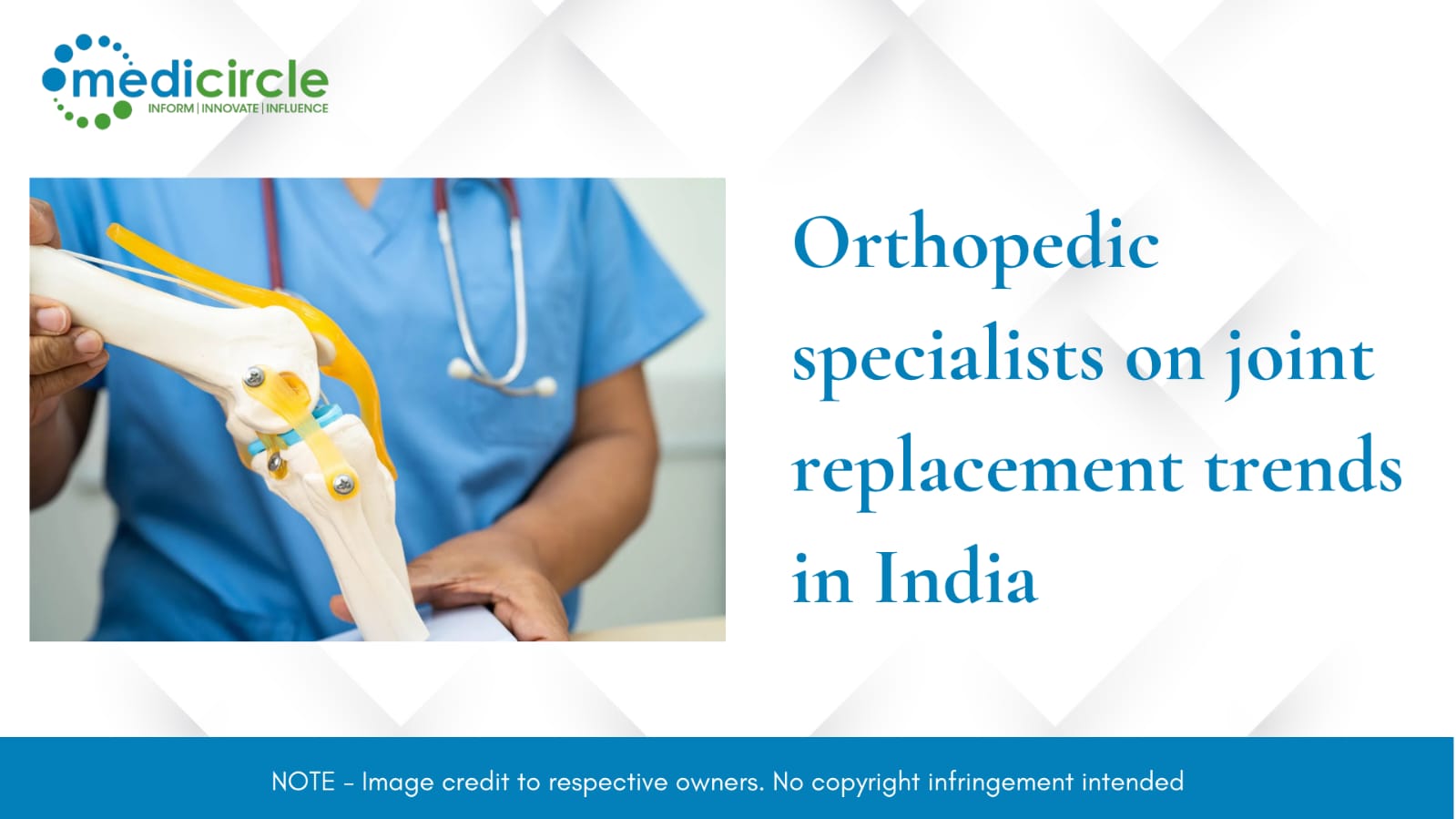
 India’s orthopedic landscape is rapidly evolving through robotic precision, smarter implants and patient centered care, offering faster recovery, longer lasting joints and renewed hope for millions.




For many in India, the gradual wear and tear of joints has turned everyday joys into sources of pain. That walk in the park, climbing stairs at home or playing with grandchildren becomes a difficult task. But there is a quiet revolution happening in operating rooms across the country. Orthopedic care in India is evolving at a remarkable pace, bringing new solutions and genuine hope to those who need it most.
This is not just about new tools; it is about a fundamental shift in approach. As one experienced orthopedic surgeon from Mumbai puts it, “Our focus has expanded from simply stopping the pain to actively restoring a patient’s preferred way of life. The advancements we have today are making that goal a reality for many more people.”
Precision surgery redefined:
Gone are the days when joint replacement relied solely on the surgeon’s skilled hands and eye. Today, technology acts as a trusted co-pilot, bringing a level of accuracy that was once hard to achieve.
Robotic assistance:
Systems like Stryker’s MAKO and Zimmer Biomet’s ROSA are no longer futuristic concepts; they are active tools in urban Indian hospitals. Think of these systems as highly sophisticated GPS for surgery. They use detailed 3D models of the patient’s unique anatomy to guide the surgeon’s instruments with sub-millimeter precision.
What does this mean for someone considering surgery? It often leads to a more natural feeling joint, less soft tissue damage and a recovery that can feel surprisingly swift. It is important to understand that this technology supports, rather than replaces the surgeon’s expertise. The surgeon remains firmly in control, using the robot’s data to make the best possible decisions.
This push for personalization goes even further with Patient Specific Instrumentation (PSI). Here, MRI or CT scans are used to create 3D printed guides that fit only one person’s knee or hip. This custom fit approach can streamline the surgery itself.
Long term implant health:
With more joint replacements being performed than ever before, orthopedic specialists are now paying close attention to the long term health of these implants. A second surgery to repair or replace a worn out implant, known as a revision arthroplasty is a complex challenge that surgeons hope to avoid.
When implants fail:
Several factors can lead an implant to wear out or loosen over time:
Aseptic loosening: This is the most common reason. Over years of use, tiny particles from the implant’s plastic components can cause the surrounding bone to weaken, leading to instability.
Infections: Periprosthetic Joint Infection (PJI) is a serious concern. Even with strict hygiene protocols, infections can occur around the artificial joint, sometimes requiring major intervention.
New generation of patients: India is seeing younger, active individuals opting for joint replacement. Their active lifestyles put greater demands on the implants, which can affect how long they last.
Stopping problems:
The best strategy is always prevention. The orthopedic community is tackling this challenge head-on with several key strategies:
Enhanced surgeon training: Through hands-on workshops and virtual reality simulations, surgeons are refining their techniques for better outcomes.
Superior operating environments: Hospitals are investing in operating theaters with advanced air filtration systems (HEPA filters and laminar airflow) to drastically reduce the risk of infections.
Realistic patient conversations: Surgeons are spending more time educating patients on what to expect after surgery, setting realistic activity goals to protect the new joint for the long haul.
Smarter implants:
The materials that make up artificial joints have seen incredible innovation. Today’s implants are designed to be stronger, more durable and more compatible with the human body.
For younger patients, cement less implants are a popular topic. These are coated with a special material that encourages the patient’s own bone to grow into them, creating a very strong biological bond.
The materials themselves are also more advanced. Oxidized Zirconium is a ceramic based metal that is extremely smooth and hard wearing, while new types of highly cross linked polyethylene plastic are much more resistant to the microscopic wear that can lead to loosening.
In complex revision cases, surgeons now have powerful tools like 3D printed trabecular metal cones. These act as scaffolds that encourage new bone to grow into areas where bone has been lost, providing a solid foundation for the new implant.
Looking ahead:
The journey does not end with advanced technology available in a few metro cities. The real goal is to make high quality orthopedic care accessible and affordable across the nation.
This is being achieved through several parallel efforts. Indian companies are now manufacturing high quality implants and instruments, which helps bring down costs significantly. Government initiatives and price regulation have also made procedures more affordable for the average family.
Furthermore, the growth of medical tourism brings international patients to India, which in turn helps hospitals invest in better infrastructure and training that benefits local patients as well. The expansion of health insurance and government healthcare schemes is also opening doors for a wider section of society to receive the treatment they need.
In conclusion:
The progress in joint replacement is more than a technical story; it is a deeply human one. It is about giving people back their independence and the simple pleasures of life. The conversation between doctors and patients has evolved. People are now asking informed questions about technology, recovery and longevity.
The path forward is clear: continued innovation, widespread education and a steadfast commitment to making compassionate, high quality orthopedic care a reality for every Indian who needs to take a step without pain. The future of movement in India is looking brighter every day.






.jpeg)








.jpg)
.jpg)
.jpg)
.jpg)
.jpg)
.jpg)


.jpg)
.jpg)
.jpg)