 Sunday, October 11, 2026
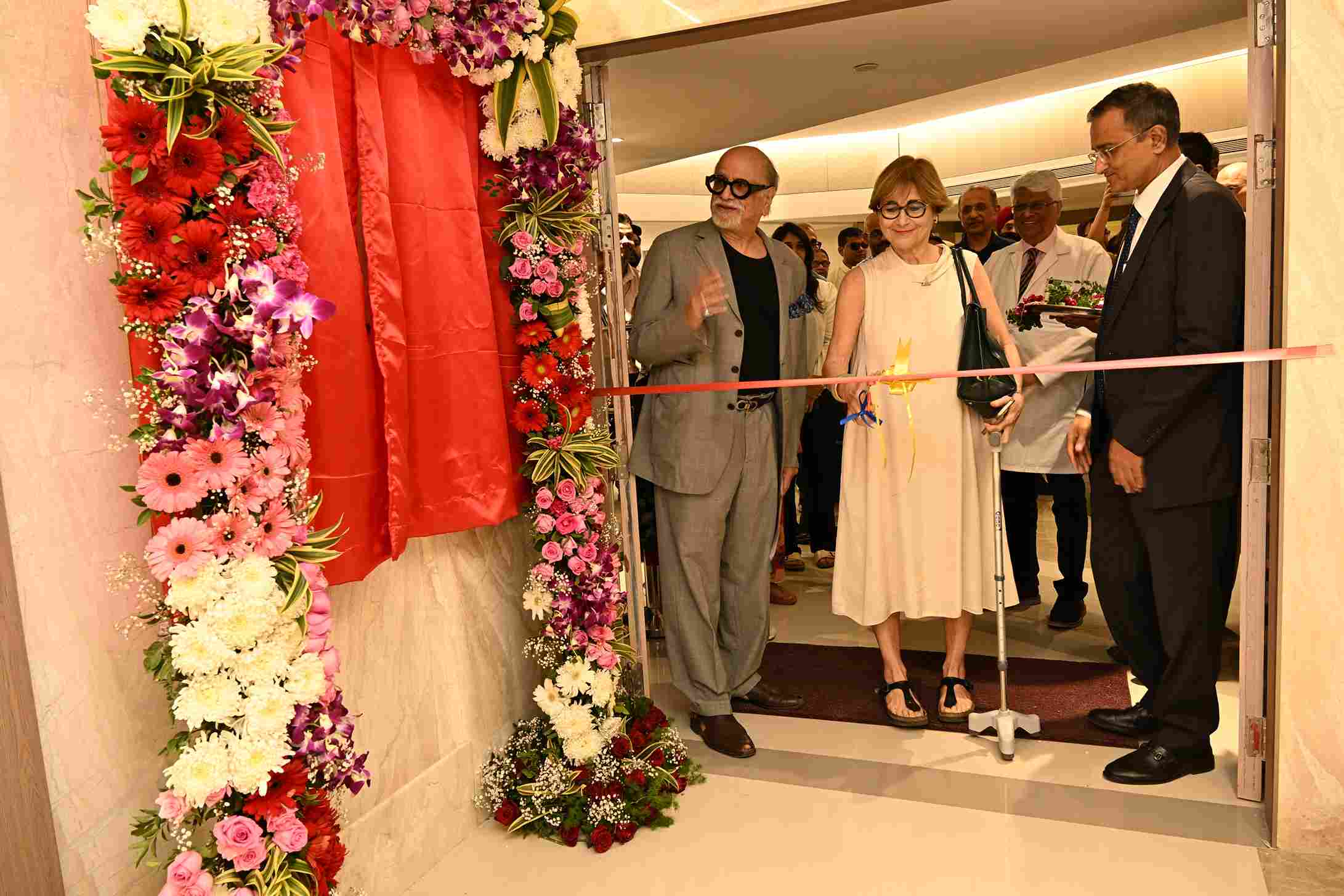
 Strengthening Neurological care through integrated, technology-enabled rehabilitation under one roof.




Mumbai, January 16, 2026: P. D. Hinduja Hospital & Medical Research Centre has launched a state-of-the-art Neuro Rehabilitation Centre, offering comprehensive, multi-disciplinary care under one roof. The centre brings together specialised care, advanced rehabilitation facilities, and coordinated therapy under one roof to help people recover function, rebuild independence, and return to everyday life after serious neurological illness.
Recovery after disabling neurological conditions such as stroke, brain injury, spinal cord injury, Guillain-Barré Syndrome, multiple sclerosis, and post brain or spinal tumour surgery requires more than medication or surgery. Structured neuro rehabilitation delivered by trained specialists in a dedicated environment is critical to regain mobility, function, and independence.
The centre brings together a multi-disciplinary team of physicians, physical, occupational, speech & swallow and cognitive therapy specialists. It is equipped with advanced robotic and technology-assisted devices including LOKOMAT, AMADEO, DIEGO, and TYMO, enabling precise retraining of walking, hand function, balance, posture, and cognitive skills. The centre is led by Dr Nitin A Menon, a PM&R physician with more than a decade experience in rehabilitation of neurological conditions, supported by a dedicated team of trained rehabilitation professionals, ensuring every patient’s recovery programme is clinically guided and carefully coordinated. This allows rehabilitation to begin early, be coordinated efficiently, and address all aspects of recovery under one roof.
Mr. Gautam Khanna, CEO, P. D. Hinduja Hospital & MRC, said: “Healthcare is not only about treating disease but about restoring people to healthy, productive and fulfilling lives. Neurological illness affects every dimension of a person’s well-being, physical, emotional and social. With the launch of our Neuro Rehabilitation Centre, P. D. Hinduja Hospital is advancing a truly holistic model of care that goes beyond acute treatment to focus on long-term recovery, dignity and quality of life. By integrating specialised expertise, advanced technology and compassionate care under one roof, we are creating an ecosystem that enables patients to heal, regain independence and return to society with confidence.”
The centre combines specialised expertise, advanced technology, and a coordinated multidisciplinary approach to deliver personalised, intensive rehabilitation. By providing all therapies under one roof, from physical and occupational therapy to speech, swallowing, and cognitive rehabilitation, patients benefit from early intervention, continuous monitoring, and measurable progress, which accelerates recovery, reduces long-term disability, and improves overall functional independence.
The rehabilitation wing has been thoughtfully designed to support recovery at every stage. The layout gently guides patients from early assisted movement to walking, balance, speech and daily living activities, allowing therapy to progress in a natural and reassuring way. Open therapy areas, natural light and calm, welcoming interiors create an environment that supports focus, confidence and healing throughout the recovery journey.
With the rising burden of stroke and neurological disorders in India, the launch of the Neuro Rehabilitation Centre represents an important step in strengthening long term recovery and reducing disability. By combining clinical expertise, advanced rehabilitation technology and the hospital’s comprehensive medical ecosystem, P. D. Hinduja Hospital aims to improve functional outcomes and quality of life for patients across Mumbai and surrounding regions.






.jpeg)










.jpg)
.jpg)
.jpg)
.jpg)
.jpg)
.jpg)


.jpg)