Pre-Budget Expectations Quote from HCG Manavata Cancer Centre

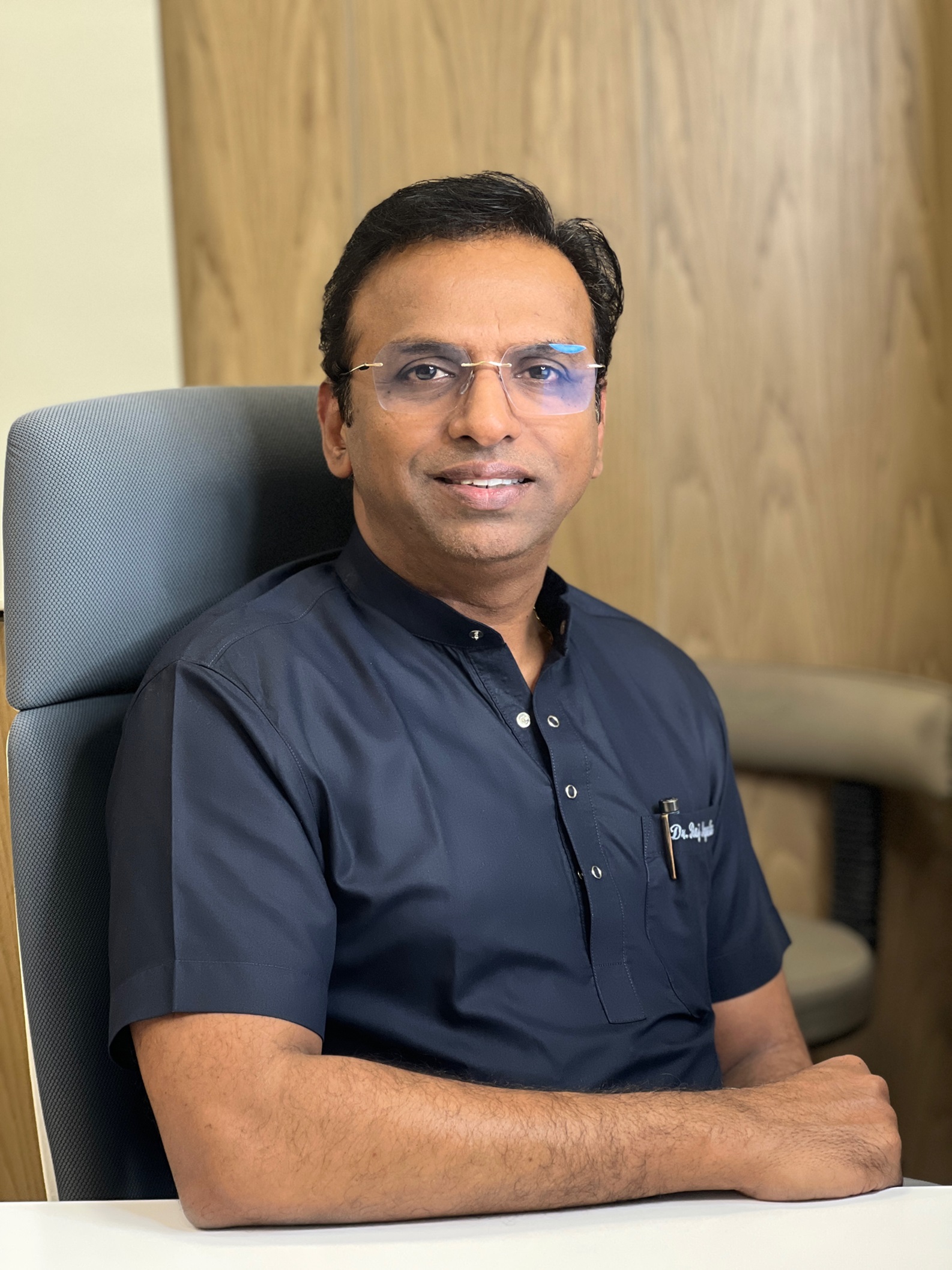
▴ Prof Dr Raj Nagarkar, Chief of Surgical Oncology & Robotic Services and Managing Director - KIMS Manavata Hospitals, HCG Manavata Cancer Centre and Six Sigma, Nashik
As we approach the Union Budget 2026–27, healthcare, especially cancer care, must be viewed as a long-term national investment rather than a cost. India is witnessing a steady rise in cancer incidence and addressing this requires a strong focus on early detection.


“As we approach the Union Budget 2026–27, healthcare, especially cancer care, must be viewed as a long-term national investment rather than a cost. India is witnessing a steady rise in cancer incidence and addressing this requires a strong focus on early detection, affordability and decentralised access to quality care. Also, the Government’s recent steps to rationalise GST on life saving drugs, medical equipment and devices have been encouraging, and we hope this momentum continues. Further reduction in duties on advanced technologies such as robotic surgery systems, AI-driven diagnostics and precision oncology tools will help bring world-class treatment within reach of patients beyond metro cities. However, equally important is strengthening the ecosystem with timely reimbursements under Government health schemes, investment in trained manpower and support for hub-and-spoke cancer care models that link district centres with specialised institutions. Cancer care is multidisciplinary by nature and cannot be scaled through infrastructure alone. A forward-looking Budget that supports innovation; be it robotic-assisted surgery, AI-enabled imaging, cell and gene therapies or indigenous diagnostics, while ensuring affordability for patients, will go a long way in transforming India’s cancer care landscape and improving outcomes for millions.


Tags : #

About the Author


Team Medicircle

Related Stories

Loading Please wait...

-Advertisements-


Trending Now

Smart Operating Rooms: The Future of Hospital OTNovember 21, 2026
Smartphone Diagnostics: Phones as Medical Screening ToolsNovember 21, 2026
AI-Enabled Endoscopy: Can It Detect More Than the Human Eye?November 20, 2026
Hospital-at-Home in India: Can Technology Deliver Safe Care?November 20, 2026
Digital Identity Fraud in Healthcare: What India Must KnowNovember 18, 2026
Wearables in Clinical Care: When Should Doctors Trust the Data?November 18, 2026
Cybersecurity for Medical Startups: What Founders MissNovember 18, 2026
Remote Patient Monitoring: The Next Phase of Virtual CareNovember 18, 2026
Digital Health Wallets: Future of Medical Records in IndiaNovember 17, 2026
How Hospitals Can Prepare for a Transparent Healthcare MarketNovember 17, 2026
Childhood Nutrition: Understanding Micronutrient Gaps Beyond CaloriesNovember 16, 2026
Anaemia in Adolescent Girls: Connecting Prevention, Testing and Nutrition SupportNovember 16, 2026
Health Information Exchanges in India: Are Medical Records Finally Going Portable?November 16, 2026
Hospital Accreditation in 2026: What Is Changing Beyond the Checklist?November 16, 2026
Digital Insurance Platforms and India's Health Coverage FutureNovember 14, 2026
ABDM 2.0: India's Digital Health Ecosystem FutureNovember 14, 2026
Vaccine Cold-Chain Management: Protecting Immunisation Quality From Storage to DeliveryNovember 14, 2026
Foodborne Illness Surveillance: How Public Health Systems Track RisksNovember 14, 2026
Interoperability in Indian Healthcare: Why Patient Data Still StrugglesNovember 13, 2026