 Tuesday, October 27, 2026
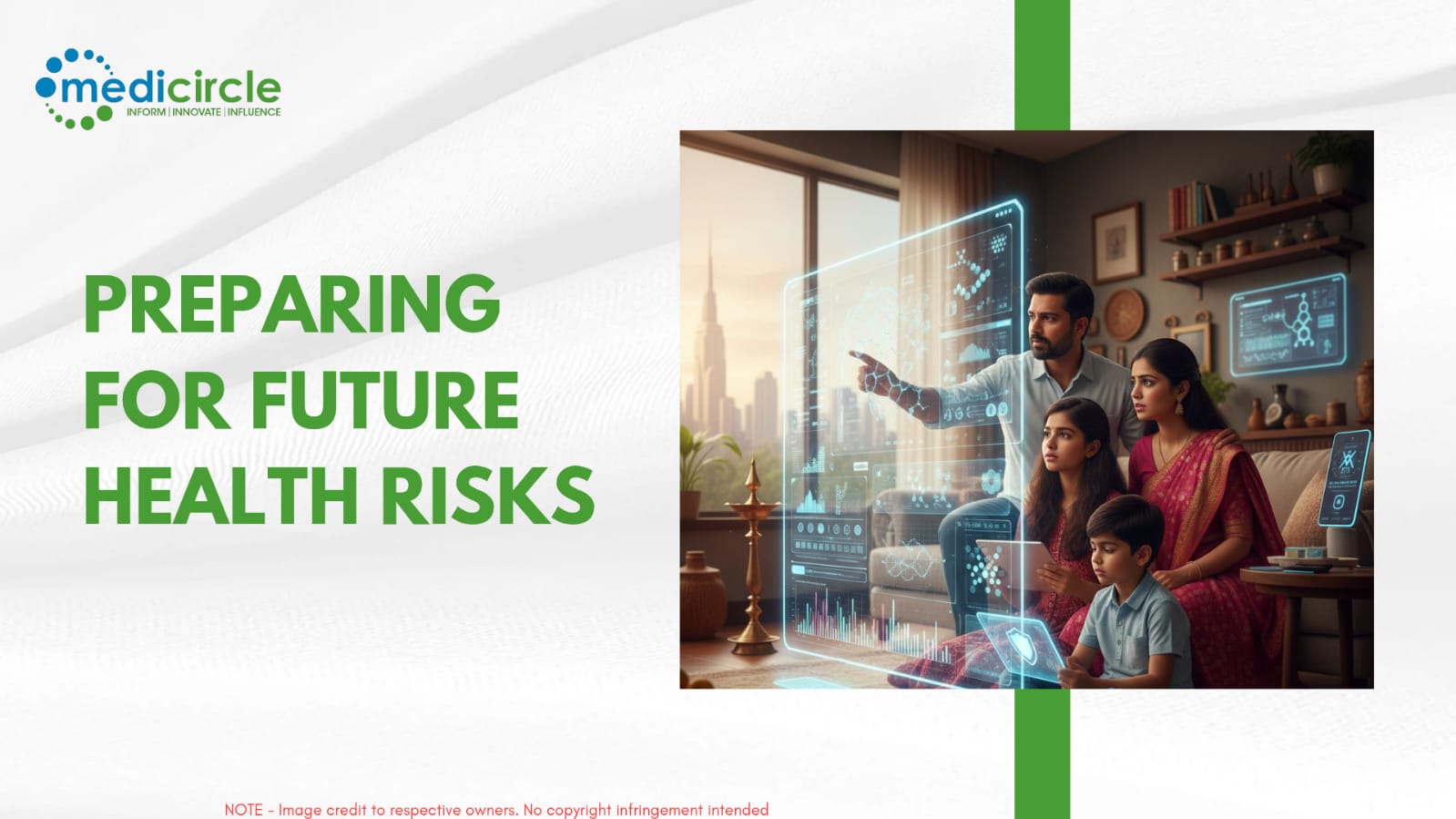
 This article explores how Indian families can transition from reactive to proactive healthcare. It emphasizes personalized screenings, digital health tools, and sustainable habits to build a resilient foundation for long-term wellness.




In previous decades, the typical approach to health within India was remarkably straightforward. If an individual did not feel physical pain, they assumed they were not sick. Families visited a medical professional only when symptoms became far too intense to ignore. However, the world has undergone a rapid transformation. Due to the rise of lifestyle diseases and the critical lessons learned from global health crises, our collective perspective has evolved. Wellness is no longer about simply reacting to an illness after it appears. Instead, it is about constructing a foundation that is strong enough to withstand any medical challenges the future may hold.
At Medicircle, we view healthcare as a proactive lifestyle choice rather than a reactive emergency service. Preparing for the risks of tomorrow is not about living in a state of constant anxiety. Instead, it is about identifying the specific factors we can control today. By managing our daily habits, our immediate environment, and the information we consume, we can ensure a much healthier and more predictable decade ahead.
Ending Reactive Care:
For many generations, the "wait and see" method was the standard for healthcare in most Indian households. We now recognize that this approach is a dangerous gamble. Many of the most common health burdens in India today, such as diabetes and heart disease, are silent conditions. These issues do not appear overnight. They develop slowly over many years of minor physiological imbalances.
Future-proofing your wellbeing begins with a shift toward personalized medical screenings. A standard check-up is a helpful start, but the real value lies in understanding your unique risk profile. This involves examining your family history, your workplace environment, and your specific metabolic markers. When you possess a clear picture of your baseline health, you can make small adjustments to your lifestyle. These changes often prevent a potential risk from ever becoming a formal diagnosis.
Navigating Digital Health:
We are currently living through a massive explosion of digital information. While having health advice available on a smartphone is convenient, it has also led to a significant misinformation epidemic. It is very easy to become lost in unverified home remedies or frightening news headlines. This is exactly why having a reliable and expert-led platform is essential for every family. By listening directly to experienced doctors and medical researchers, we can filter out the unnecessary noise and focus on what truly works.
Technology is also solving one of the oldest problems in India regarding medical accessibility. Whether you reside in a bustling metro or a developing town, digital health tools now connect you with top-tier specialists. Preparing for the future means embracing these modern tools for ongoing consultations and second opinions. The more connected you are to a professional network, the more resilient your personal health strategy becomes.
Mental Health Pillars:
Preparing for health risks involves much more than just physical fitness. It requires a deep and honest look at our mental and emotional landscape. In our fast-paced society, high stress is often treated as a badge of honor. However, the long-term impact of stress on the human immune system is significant. Modern health preparation must prioritize sleep quality and emotional resilience. These elements are not luxuries but are core components of long-term survival.
Furthermore, our individual health is closely tied to our local community. A strong health infrastructure depends on the success of neighborhood clinics and mid-sized hospitals. By supporting these local healthcare systems, we ensure that the safety net is ready for everyone when the unexpected happens. A robust system is a collaborative effort between doctors and informed citizens.
Sustainable Preventive Habits:
If we think of health as a long-term investment, our daily habits are the compound interest. In India, our rich culinary heritage is a major point of pride. However, a sedentary lifestyle has made traditional high-carbohydrate diets harder for our bodies to process safely. We do not need to abandon our culture, but we certainly need to adapt it to modern realities.
This sense of responsibility also extends to how we handle medication. Being a smart healthcare consumer means completing every antibiotic course to prevent drug resistance. It also means questioning the necessity of over-the-counter supplements and choosing quality-certified medicines. When we treat our bodies with respect through consistent nutrition, we lower our vulnerability to future chronic issues.
Owning Your Longevity:
The next decade of healthcare will be defined by participatory medicine. We are moving away from being passive patients who simply follow orders. We are becoming active managers of our own longevity. By staying engaged with medical innovations, we take the power back from the hands of luck or fate.
This transition is an empowering journey for the entire family. It turns healthcare from a source of anxiety into a source of confidence. When you know you have the right habits and a trusted network of experts, the future looks much brighter. The journey toward a healthier India is a series of informed choices made every single day. By prioritizing prevention, we ensure that every Indian household can thrive for many years to come.





-23-300x250.png)

.jpeg)






.jpg)
.jpg)
.jpg)
.jpg)
.jpg)
.jpg)
.jpg)
.jpg)
.jpg)



