 Tuesday, October 27, 2026
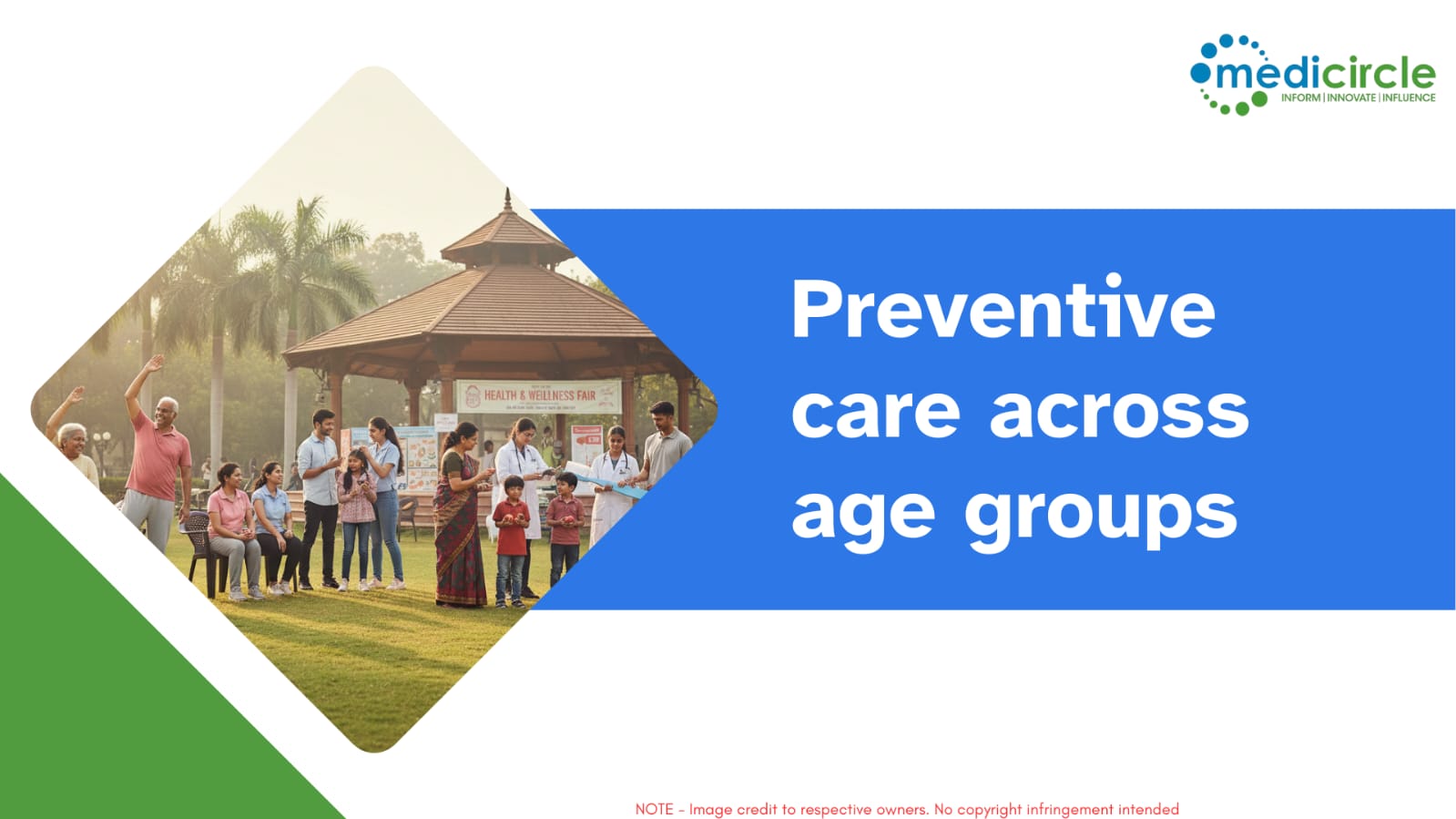
 Think of a child’s health like planting a young sapling. The early years set the course for a lifetime of growth. It is about more than just the vaccines listed in the school health card. It is about building a body and mind that can withstand future storms.




Have you ever noticed how we treat our health in India? For most, the doctor’s visit happens only when trouble arrives. A stubborn fever, a back that will not stop aching or a worry that grows quietly in the mind. We are experts at reacting. But what if we could become the authors of our health rather than the characters in a medical drama?
This is where true wellness begins not with a pill but with a plan. A plan that understands that the body of a ten year old running in a schoolyard has different needs from the body of a forty year old managing a home and career. This is preventive care. It is not a one-time test; it is a lifelong dialogue with yourself.
The early chapters (Childhood to teens):
Think of a child’s health like planting a young sapling. The early years set the course for a lifetime of growth. It is about more than just the vaccines listed in the school health card. It is about building a body and mind that can withstand future storms.
This means regular visits to the pediatrician are essential, not optional. They track growth, catch developmental delays and ensure vaccinations like HPV are completed on time. With childhood obesity becoming a common sight in our cities, teaching children about nutritious home cooked food versus processed snacks is critical. Mental health matters equally. In an age of endless scrolling, guiding children on screen time, encouraging play and openly talking about school stress acts as preventive care for emotional wellbeing. You are building resilience from the roots up.
The sprinting years (Adulthood, 20s to 40s):
Here lies the great health paradox. You are at your busiest building a career, raising a family, chasing dreams. You feel strong, so health checks feel like a distraction. That feeling of being fine is the biggest hurdle. Sadly, this is exactly when conditions like high blood pressure, diabetes or thyroid disorders begin silently.
Prevention in these decades is an act of quiet wisdom. It is the annual check-up you finally schedule. It is the simple blood test that checks sugar and cholesterol levels. For women, it means making time for breast self-examination or a Pap smear. For men, it means having an open discussion with the doctor about prostate health. Lifestyle choices also need review. Are daily chai breaks paired with fried snacks? Is work stress affecting sleep? A health check is not about searching for illness; it is about protecting your most valuable asset.
The turning page (40s to 60s):
As we move into our forties and fifties, the body sends clearer signals. Metabolism slows, energy levels shift and the need for focused care increases. Prevention now becomes about protecting quality of life for the years ahead.
Screenings become more specific. Regular eye examinations, heart health tests like ECGs and cancer screenings for colon, breast and prostate gain importance. For women after menopause, bone density testing becomes essential. Daily habits matter more than ever managing weight, prioritizing at least seven hours of sleep and including strength training to preserve muscle mass. Technology can support this journey. Wearable devices can track heart rate, while home monitoring tools help keep blood pressure under control with fewer clinic visits.
The golden legacy (60 and beyond):
For senior citizens, preventive care has a clear purpose preserving independence and dignity. The focus shifts from preventing disease alone to maintaining overall wellbeing and daily function.
Comprehensive geriatric check-ups are vital. These assess memory, balance to prevent falls, hearing, vision and nutrition. Vaccinations for influenza and pneumonia remain important protective measures. Equally powerful are lifestyle prescriptions staying socially connected and physically active? A daily walk, gentle yoga or caring for plants keeps the body flexible and the mind engaged. In India, awareness of specialized elderly care is increasing, helping families create supportive and preventive environments.
Writing your own story:
What connects all these stages is a shift in mindset from fixing problems to nurturing health. Small, consistent actions timely check-ups, balanced meals, regular movement build a healthier life. The barriers are real time constraints, cost concerns and fear. Yet the cost of neglect is always greater.
The good news is that you do not have to manage this journey alone. Trusted healthcare partners now offer clear guidance, reliable information and services that bring care closer to home, transforming uncertainty into confidence.
Your health is the longest story you will ever tell. It unfolds chapter by chapter, decade by decade. By choosing prevention, you ensure every chapter is lived with strength, clarity and grace. The pen has always been in your hands. Now is the time to use it.




-23-300x250.png)

.jpeg)








.jpg)
.jpg)
.jpg)
.jpg)
.jpg)
.jpg)
.jpg)
.jpg)
.jpg)

