 Thursday, October 08, 2026
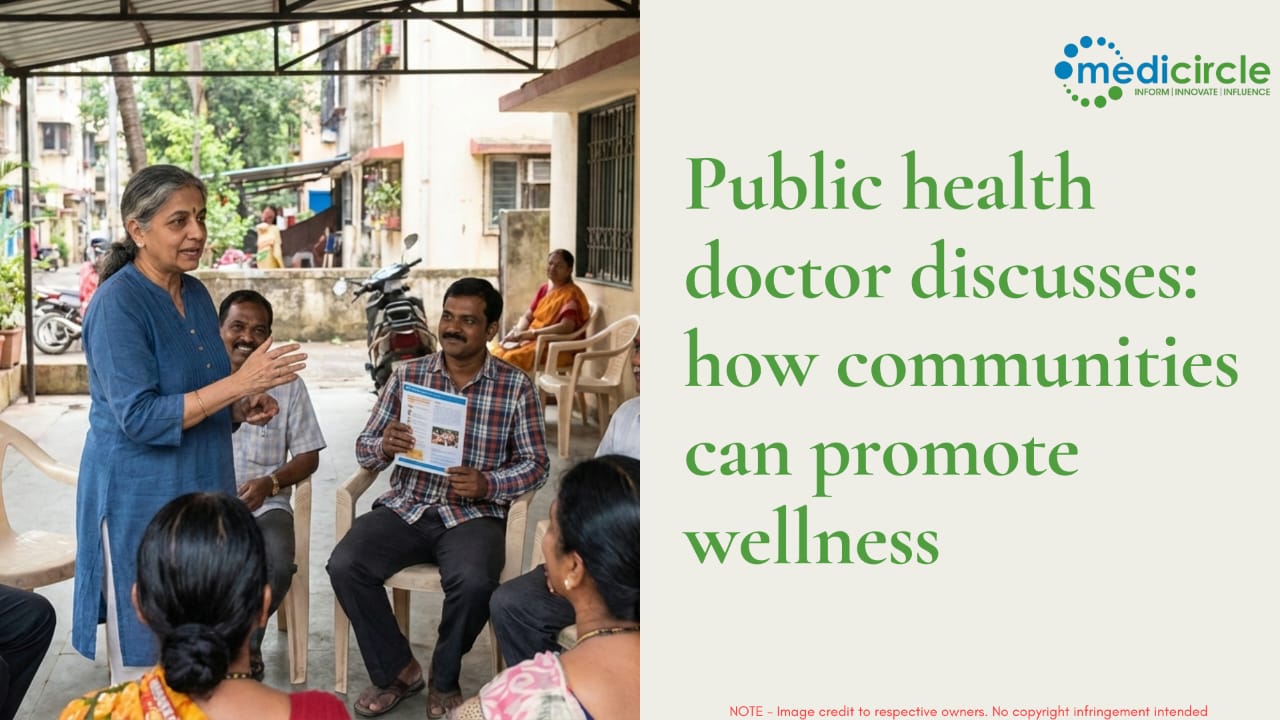
 Community health begins beyond hospitals, shaped by shared environments, trust and daily habits. Collective action in neighborhoods offers the strongest foundation for prevention, resilience and long term wellbeing in India.





Where does good health truly begin? For many of us, the immediate thought is a clinic or a hospital. But look closer, the real foundation might be right outside your front door. In India, our communities are more than just collections of houses; they are living networks that shape our daily lives. From the morning walk in the colony park to the vegetables bought from the local vendor, our environment plays a constant role. A public health doctor observes this interplay closely. They understand that the strength of our community directly influences the health of every person in it.
This idea changes everything. It moves our focus from just treating sickness to actively building wellness together. It is about recognizing that our shared spaces, habits and efforts are the most powerful tools for prevention we have.
Seeing the big picture:
A public health doctor has a unique viewpoint. Their concern extends beyond individual patients to the entire community’s wellbeing. They assess health by looking at common factors such as the quality of the local air, access to clean water, the walkability of streets and the social connections between residents. In the Indian context, this lens highlights a vital truth. Many widespread health challenges, whether asthma worsened by seasonal pollution or hypertension linked to lifestyle are influenced by communal environments and shared choices.
Therefore, the response must be collective. Advanced medical care, such as new cardiac procedures or breakthrough cancer therapies mentioned in health reports is crucial for treatment. However, the first and most sustainable defense against disease is a community designed for health. Prevention, built together is far more effective than cure.
Pillars for healthy community:
Building such a community does not require a grand plan. It is built through conscious, everyday actions in four key areas.
- Guarding our shared air:
The air in our cities and homes is a common resource. With pollution and post COVID recovery being prominent concerns, protecting lung health is a community project. Simple, collective actions make a difference. Residents can advocate for tree plantation drives, organize neighborhood no vehicle days to reduce emissions and collectively discourage waste burning. Choosing to create a green zone in a local park or society lane benefits everyone, especially children and the elderly who are most vulnerable.
- Earning trust through openness:
Trust is the glue that holds a health system together. When people have clear and honest information, they feel empowered. This aligns with a broader shift in healthcare towards transparency in hospital outcomes and ethical practices. Locally, trust grows from community health talks, reliable word of mouth about local doctors and open discussions with healthcare providers in resident welfare meetings. A community that trusts its sources can confidently make decisions for its wellbeing.
- Designing spaces for life:
Health is both physical and social. A neighborhood that invites people outside promotes wellness naturally. Well lit walking paths, clean parks with benches and safe cycling tracks encourage daily movement. More importantly, these spaces reduce isolation and stress by bringing people together. A weekly community gardening group or an evening walking club can improve fitness and mental health while strengthening the social fabric.
- Sharing wisdom, dispelling fear:
Misinformation is a major barrier to health. An informed community is a resilient one. Sharing accurate, simple guidance on nutrition, the importance of vaccinations, routine check-ups and mental wellness can change behaviors. Knowledgeable neighbors, active housing society committees and local health champions can organize small workshops or share trustworthy leaflets. Turning a complex health guideline into a friendly community conversation saves lives.
You are the key ingredient:
This vision cannot be delivered by doctors or leaders alone, it needs you. Community wellness is a participatory endeavor. Begin with a single step. Talk with your neighbor about starting a compost pit or a carpool schedule. Join your resident welfare association’s health committee. Voice support for policies that make your colony safer and greener.
Your choices as a consumer also send a strong signal. Support businesses and healthcare providers that demonstrate a genuine commitment to community ethics and transparency. Every conscious decision reinforces a culture that values health.
Our shared responsibility:
The journey to a healthier India will be walked together, street by street. Hospitals and doctors are essential when we are ill, but the blueprint for a healthy life is drafted in our neighborhoods. The message from public health is one of collective custodianship. By taking shared responsibility for our environment, our information, our spaces and our knowledge, we do more than prevent disease. We cultivate a society where everyone has the support to live well. It starts with a simple hello, a shared concern and a decision to act. What will you start with today?






.jpeg)








.jpg)
.jpg)
.jpg)
.jpg)
.jpg)
.jpg)


.jpg)
.jpg)
.jpg)