Tuesday, October 06, 2026
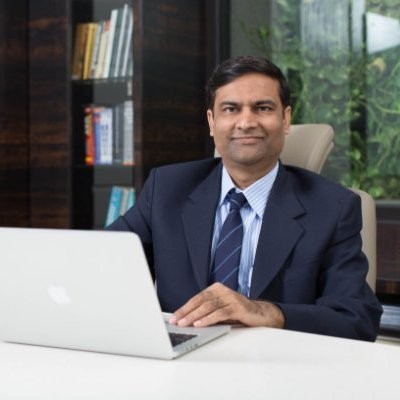
 India has all the essential ingredients for exponential growth in HealthTech and MedTech. These include a large population, a robust pharma and medical supply chain, 750 million smartphone users, the third-largest startup pool globally, easy access to VC funding, and innovative tech entrepreneurs.




BY - Rajneesh Bhandari, Founder NeuroEquilibrium
Aatma Nirbharta in medical devices
“The medical device market in India, currently valued at USD 11 billion, is poised to grow exponentially to USD 50 billion by 2025. Despite this growth, over 80% of the market relies on imports due to limited indigenous manufacturing. However, this trend is shifting as India emerges as a hub for MedTech innovation, with local innovators developing groundbreaking medical products and solutions. India's HealthTech/MedTech ecosystem is at an inflection point, experiencing rapid expansion.
MedTech startups in India face three primary challenges in their early stages. The first challenge is clinical trials and validation. Given that the government is the largest healthcare provider in India, facilitating early validation of MedTech devices and services could significantly accelerate the development and deployment of new healthcare technologies.
The second challenge is common across all startups: acquiring the initial set of customers. With the government being the largest healthcare provider, a mechanism should exist for it to become an early adopter of innovative products and services. Unfortunately, government procurement policies, which require a minimum of three participants in a tender and prioritize L1 procurement, do not currently support the procurement of innovative products. Truly innovative products with unique intellectual property often lack the three participants needed for a tender, hindering their adoption.
The third challenge relates to the development and large-scale adoption of AI in healthcare. AI has the potential to fundamentally transform healthcare, making modern care accessible and affordable by reducing costs. For AI startups to thrive, they need access to large amounts of anonymized data. As the largest healthcare provider, the public healthcare system generates the most data. Therefore, the government should create a platform to provide anonymized data to support AI development in healthcare.
India has all the essential ingredients for exponential growth in HealthTech and MedTech. These include a large population, a robust pharma and medical supply chain, 750 million smartphone users, the third-largest startup pool globally, easy access to VC funding, and innovative tech entrepreneurs. Consequently, Indian startups are well-positioned to lead the next wave of global healthcare innovations.”
_________________________________________________________________________________________________________________________________________________________________________
Mr. Rajneesh Bhandari’s Profile
Mr. Rajneesh Bhandari is a visionary entrepreneur, pioneer in healthcare innovation, and Founder of NeuroEquilibrium. With a distinguished academic background from IIT Delhi, Rajneesh embodies the fusion of technical expertise and entrepreneurial acumen.
As a first-generation serial entrepreneur, Rajneesh has successfully established three ventures spanning diverse sectors, including Telecommunication, Engineering Materials, and Medical Technologies (Med-Tech). His journey reflects a relentless pursuit of excellence and a commitment to leveraging cutting-edge technologies for societal benefit.
At the helm of NeuroEquilibrium, Rajneesh spearheads a groundbreaking initiative to revolutionize the diagnosis and treatment of chronic ailments such as Dizziness, Migraine, and Tinnitus. Under his leadership, NeuroEquilibrium has emerged as the world's largest chain of super-specialty clinics dedicated to vertigo, dizziness, and balance disorders. With a deep-seated commitment to impacting the lives of millions through accessible and effective healthcare solutions, NeuroEquilibrium has emerged as the world's largest chain of super-specialty clinics dedicated to vertigo, dizziness, and balance disorders.
Beyond his entrepreneurial pursuits, Rajneesh is recognized for his thought leadership and contributions to the healthcare ecosystem. He is a sought-after speaker and industry expert, frequently sharing insights on emerging trends and innovations in healthcare delivery. He is also an active angel investor and passionate mentor to startups, driving positive change and inspiring budding entrepreneurs and healthcare professionals.
Rajneesh Bhandari personifies the epitome of entrepreneurial success fueled by a relentless pursuit of innovation and a steadfast commitment to societal impact. His visionary leadership and pioneering initiatives are poised to leave an indelible mark on the healthcare landscape, ushering in a new era of innovation, accessibility, efficiency, and effectiveness in healthcare delivery.
____________________________________________________________________________________________________________________________
Company Profile
NeuroEquilibrium Diagnostic Systems Pvt Ltd
NeuroEquilibrium (www.Neuroequilibrium.in) is the world's foremost and largest network of Vertigo & Balance disorder clinics, collaborating with leading ENT and Neurology clinics and multi-specialty corporate hospitals. With over 200 Dizziness & Balance disorder clinics across India and installations in six countries, NeuroEquilibrium is expanding exponentially to cater to the global demand for specialized healthcare.
At the core of NeuroEquilibrium's mission is a deep-tech super-specialty remote diagnostic platform designed for patients grappling with Vertigo, Dizziness, and balance disorders—affecting a substantial 15% of the population. Leveraging cloud technology, computer vision, algorithms, and machine learning, the NeuroEquilibrium platform delivers super-specialty healthcare through an asset-light clinic-in-hospital revenue share model, ensuring accessibility and quality care for all.
Pioneering innovation lies at the heart of NeuroEquilibrium, evident in the portfolio of patented diagnostic systems, with six patents granted in India and three in the USA. All the diagnostic equipment are approved by CDSCO and hold European CE certification, adhering to stringent quality standards. Additionally, the remote diagnostic platform is GDPR compliant, ensuring patients' utmost privacy and security.
With a track record of successfully diagnosing and treating over 100,000 patients, NeuroEquilibrium continues to raise the bar in specialized healthcare. In 2022, the company secured Series A funding of approximately USD 4 million from leading investors, including Kotak Investment Advisors, RVCF Ventures, and Unicorn India Ventures, further fueling its growth trajectory.
Looking ahead, NeuroEquilibrium is venturing into digital therapeutics and wearables, enhancing our clinics' offerings to include specialized treatments for migraine, tinnitus, motion sickness, and fall prevention for the elderly. NeuroEquilibrium is committed to providing super-specialist care through the remote diagnosis platform, ensuring improved patient outcomes and enhanced quality of life for all.






.jpeg)
.jpg)
.jpg)
.jpg)
.jpg)
.jpg)
.jpg)


.jpg)
.jpg)
.jpg)
.jpg)
.jpg)
.jpg)