 Thursday, October 08, 2026
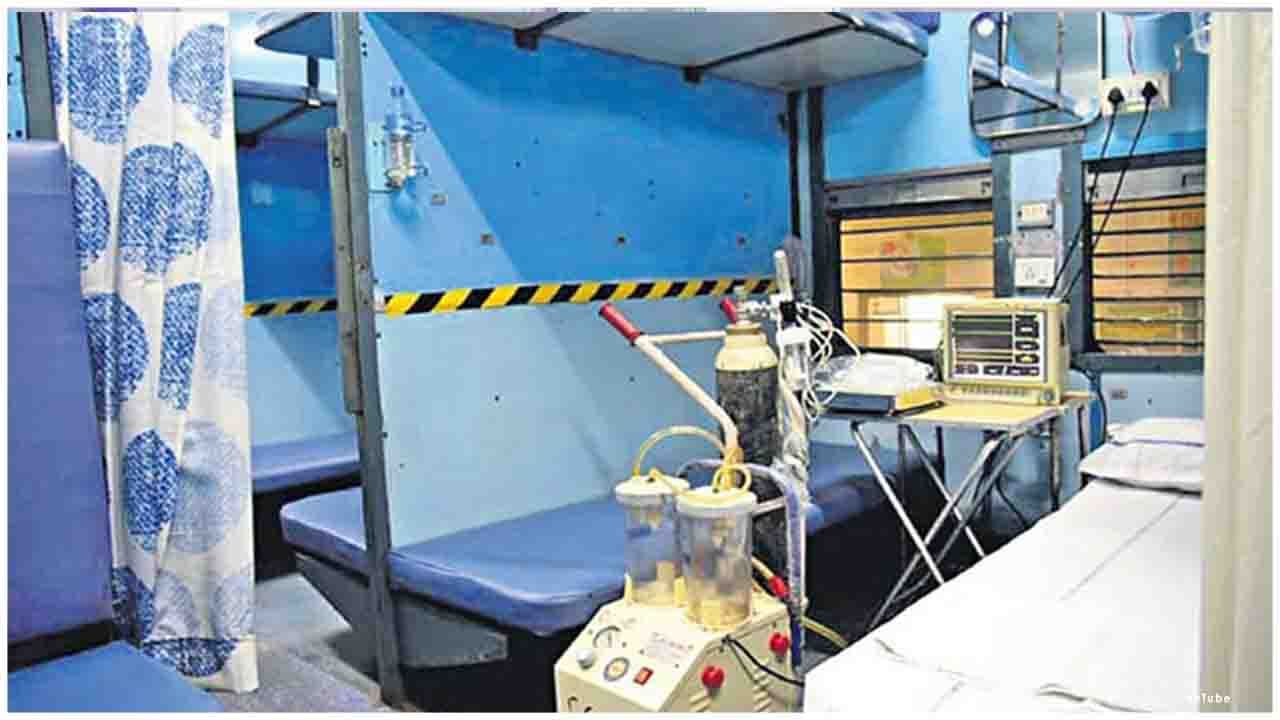
 According to the Integrated COVID plan by Niti Ayog , India Railways converts more coach to COVID care facility




Indian Railways has converted 5,231 non-air-conditioned coaches into isolation coaches as COVID Care Centres in order to augment the bed capacities to deal with the COVID-19 situation.
Conversion of these coaches are part of the integrated COVID plan developed by the Health Ministry and NITI Ayog. It is advised that the coaches should be well ventilated with adequate scope for natural lighting and air conditioning if provided, should be non-ducted.
The issue of AC vs Non-AC coaches was discussed with NiTi Ayog and Health Ministry before converting these coaches for Corona patients. It was agreed that AC coaches would not be suitable in view of the potential transmission risk of Corona virus through AC duct. It was also agreed that a higher ambient temperature is expected to assist in fighting the virus and cross circulation of air through open windows will benefit patients.
As directed by the Empowered Group-II, these isolation coaches serving as COVID Care Centres will offer care only for cases that have been clinically assigned as mild or very mild cases or COVID suspect cases.
It was advised that these coaches would be used only when the state facilities would get overburdened and it was expected that these coaches could be required for use by mid-July by that time virus was expected to peak.
Railways are making these coaches available as a service provider to State Governments as per the guidelines issued by the Health Ministry. These coaches will be utilized by States as a contingency measure only when all other means to isolate the COVID patients have been exhausted.
Recently,in view of the rising coronavirus cases in the national capital, the Central government has suspended all train services at Delhi's Anand Vihar railway station from today. Railway official said, all platforms at Anand Vihar Terminal will be reserved for the deployment of isolation coaches for Covid-19 patients. Two trains with special Covid-19 coaches have already arrived at the railway station. All five trains running from Anand Vihar station will now operate from Old Delhi Railway Station.
Home Minister Amit Shah has said that the Central government will provide 500 railway coaches to Delhi to overcome the shortage of hospital beds for coronavirus patients. He said these railway coaches will not only add another 8,000 beds in Delhi but this coach will be equipped with all facilities to fight the corona infection.
Meanwhile, Union Government today said that the recovery rate reached to 53.80 percent in the country and a total of two lakh four thousand 711 people affected with coronavirus have cured so far. During the last twenty-four hour, 10 thousand 386 people have recovered from Covid-19. Presently, the total number of active corona cases in the country is one lakh 63 thousand 248.
The Health and Family Welfare Ministry said a total of 13,586 new cases of Covid-19 have been reported in the last 24 hour taking the total number of cases to 3.80,532. This is the highest number of cases registered in a single day since the outbreak of Covid-19 in the country. In one day, a total of 336 deaths have been reported taking the nationwide toll to 12,573. With this, the case fatality rate reached to 3.30 per cent in the country.






.jpeg)










.jpg)
.jpg)
.jpg)
.jpg)
.jpg)
.jpg)


.jpg)