 Saturday, October 10, 2026
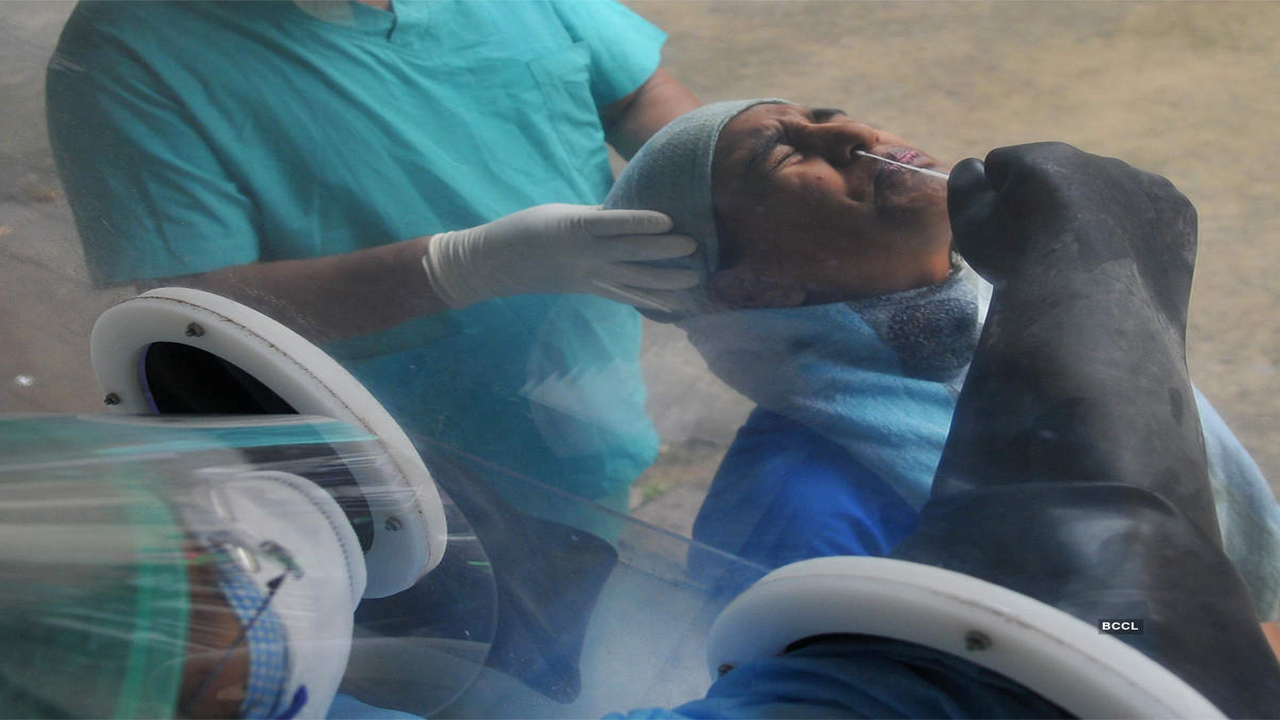
 Active COVID-19 cases in country drop below 8 lakh mark for first time in one and a half months and recovery rate rises to 87.78%





India has achieved a significant milestone in its fight against COVID-19 as the active caseload of the country has fallen below 8 lakh after one and a half months. The total positive cases of the country today stood at 7,95,087. They comprise merely 10.70 per cent of the total cases. The active caseload was below the 8 lakh mark last on 1st September. The national Recovery Rate has also grown to 87.78 per cent.
With a high number of COVID patients recovering every day, India’s steady trend of registering dipping active cases continues. The total recovered cases stands at 65,24,595. The difference between active cases and recovered cases is consistently widening.
70 thousand 8 hundred 16 patients have recovered and discharged in the last 24 hours whereas the new confirmed cases are 62 thousand 2 hundred 12.
Health Ministry said, enhanced countrywide medical infrastructure, implementation of the Centre’s Standard Treatment Protocol by the States and UTs and total dedication and commitment of doctors, paramedics and frontline workers have led to a persistent increase in the number of total recoveries with commensurate dip in the fatality rate. India is the only country with the highest recoveries and continues to have one of the lowest fatality rates globally. Today the fatality rate stands at 1.52 per cent. These have in tandem resulted in consistent slide in the active cases.
78 per cent of the new recovered cases are observed to be concentrated in 10 States and UTs. Maharashtra contributes more than 13,000 to the single day recoveries followed by Karnataka with more than 8,000 recoveries.
79 per cent of the new cases are reported from 10 States and UTs. Maharashtra is still reporting a very high number of new cases with more than 11,000 cases followed by Karnataka and Kerala with more than 7.000 cases each.
837 case fatalities have been reported in the past 24 hours. Of these, nearly 82 per cent are concentrated in ten States and UTs. Maharashtra has reported the maximum single day deaths with 306 fatalities.
The Centre continues to support the State and UT Governments in the collective fight against the global pandemic. Ministry of Health and Family Welfare has deputed high level Central teams to Kerala, Karnataka, Rajasthan, Chhattisgarh and West Bengal. These States have been reporting a surge in the number of new COVID cases in the recent days. The teams will support the State efforts towards strengthening containment, surveillance, testing, infection prevention and control measures and efficient clinical management of the positive cases. The Central teams shall also guide in effectively managing the challenges related to timely diagnosis and follow up.






.jpeg)










.jpg)
.jpg)
.jpg)
.jpg)
.jpg)
.jpg)


.jpg)