 Wednesday, October 28, 2026
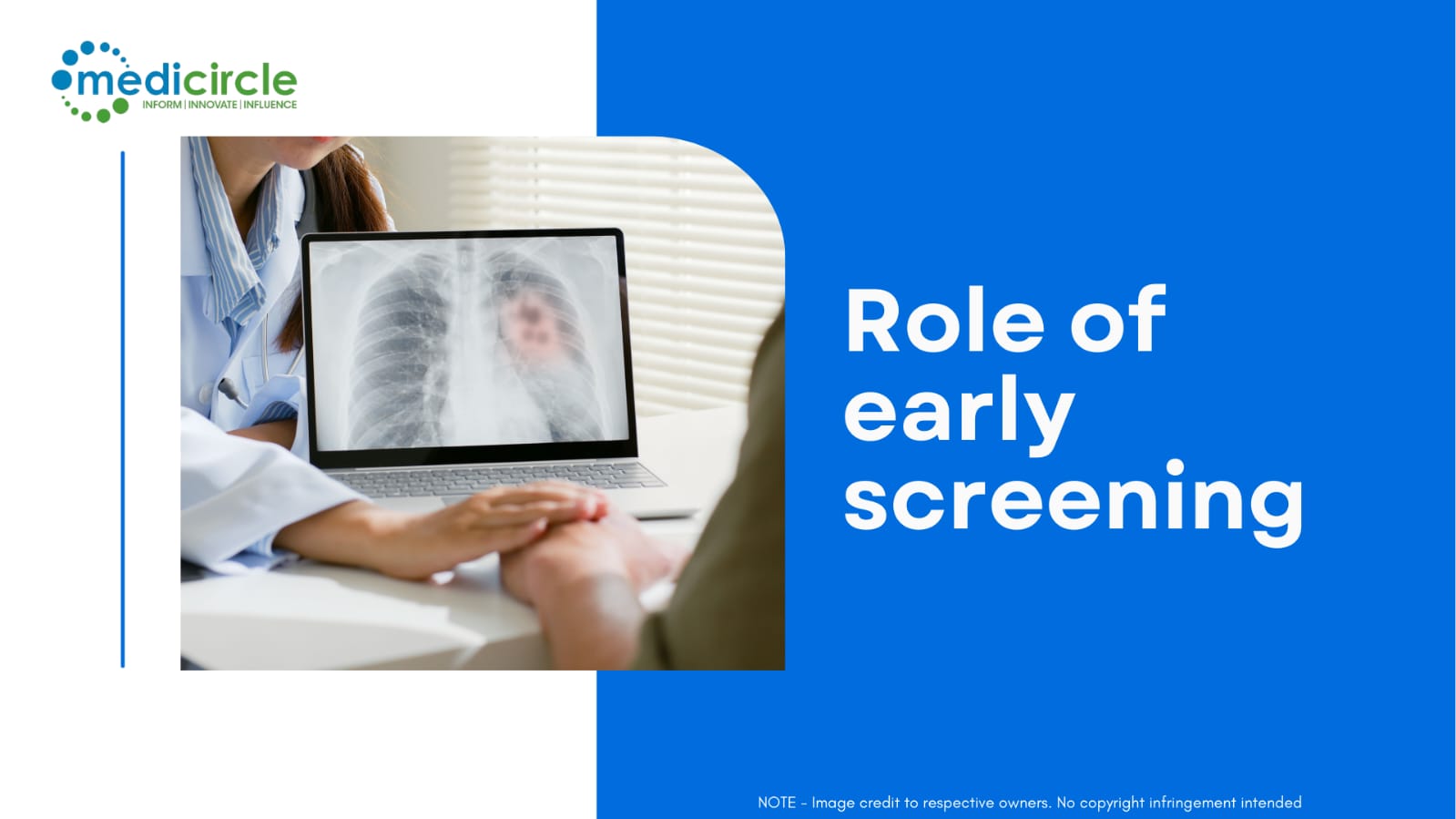
 Early screening identifies health risks before symptoms appear, allowing for more effective and affordable treatment. By utilizing modern diagnostic tools, individuals can manage silent threats and secure long-term wellness.




For a long time, the traditional approach to healthcare in India was reactive. Most people only visited a clinic or hospital when they felt a sharp pain, developed a persistent fever, or noticed something visibly wrong. However, the medical landscape is shifting toward a more intelligent strategy. This involves finding health issues before they find you. Early screening is the most powerful tool in this new era of medicine. It acts as a bridge between potential illness and a full, healthy recovery. It is no longer just medical advice. It is a lifestyle choice that puts you in the driver seat of your own well-being.
At its simplest, early screening is about checking in on your body while you still feel perfectly fine. The logic is straightforward. Many of the most serious health conditions are remarkably treatable and often curable if caught in their infancy. By the time symptoms appear, a disease has often already gained a foothold. This makes treatment more complex, invasive, and expensive.
Identifying Silent Threats:
One of the biggest misconceptions about health is the idea that no symptoms means no problems. Unfortunately, many of the most common chronic conditions in India today are incredibly quiet in their early stages. High blood pressure, elevated cholesterol, and type 2 diabetes do not always announce themselves with a headache or fatigue. They can sit quietly for years, slowly placing stress on your heart, kidneys, and blood vessels.
This is where a preventive mindset makes all the difference. Instead of waiting for a health crisis to force your hand, regular screenings provide a status report on your internal health. If a routine blood test shows your sugar levels are creeping toward the borderline, you have the opportunity to make small dietary changes. You can also add a morning walk to your routine. These minor adjustments can often reverse the trend entirely. This saves you from a lifetime of medication or the severe complications of advanced diabetes.
Addressing Modern Lifestyles:
India is currently seeing a rapid rise in non-communicable diseases, such as heart disease and cancer. This trend is not just affecting the elderly. Younger professionals are increasingly at risk due to high stress environments, sedentary habits, and processed diets.
Early screening is particularly life-saving when it relates to cardiovascular health and oncology. Simple tests like an ECG or a lipid profile can flag heart risks long before a cardiac event occurs. Similarly, for cancers like breast, cervical, or oral cancer, screening is the literal difference between life and death. When detected early through a mammogram or a Pap smear, recovery rates are incredibly high. Early detection simplifies the medical journey. It allows for treatments that are far less taxing on the body.
Investing in Your Future:
There are often two main reasons people avoid screenings. These are fear and cost. It is natural to feel anxious about a potential diagnosis. However, it is important to remember that a screening result is not a judgment. It is information. Having that information early gives you the best possible odds.
From a financial perspective, prevention is also the smarter choice. The cost of a comprehensive annual check-up is a small fraction of what one might pay for emergency surgery or intensive care. Think of it like maintaining a car or a home. Catching a small leak early is much cheaper than replacing the entire foundation later. In a country where healthcare costs can significantly impact a family's savings, early screening is a vital form of financial protection.
Technology and Digital Access:
The good news is that prioritizing your health has never been easier. The digital revolution in Indian healthcare has removed the old hurdles of long queues and confusing paperwork. With modern health platforms, you can now research specific tests and book home collection for blood samples. You can also receive verified digital reports on your smartphone.
This accessibility is paired with incredible advances in diagnostic technology. Today screenings are more precise than ever. They are capable of detecting the smallest chemical shifts or cellular changes. When this technology is combined with digital health records, your doctor can track your health story over several years. This allows them to spot subtle patterns that might otherwise be missed. This is not just medicine. It is personalized wellness tailored to your specific body and history.
Starting the Journey:
Ultimately, the goal of early screening is to ensure that your years are not just long, but vibrant and productive. It moves the healthcare system away from damage control and toward health maintenance. When you understand your body’s unique risks, you can make informed choices every day.
Starting this journey does not have to be overwhelming. It begins with a single conversation with a healthcare professional or a quick look at a health platform. By choosing to get screened, you are making a profound commitment to yourself and your loved ones. You are ensuring that you stay present and healthy for whatever the future holds.





-23-300x250.png)

.jpeg)






.jpg)
.jpg)
.jpg)
.jpg)
.jpg)
.jpg)
.jpg)
.jpg)
.jpg)

