 Thursday, October 08, 2026
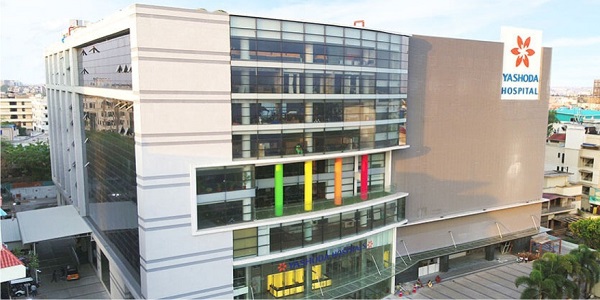
 A 60-year-old gentleman from Sikkim arrived at the hospital with complaints of fatigue and unexplained weight loss. What appeared to be a simple weakness turned out to be a silent internal blood loss when his blood test revealed critically low haemoglobin levels of 6.5 g/dL.




A 60-year-old gentleman from Sikkim arrived at the hospital with complaints of fatigue and unexplained weight loss. What appeared to be a simple weakness turned out to be a silent internal blood loss when his blood test revealed critically low haemoglobin levels of 6.5 g/dL.
Local doctors conducted further investigations including stool testing, which showed occult blood positivity, indicating he was losing blood through his stools for months without visible symptoms. A colonoscopy revealed a shocking finding — multiple polyps throughout the entire colon.
He was referred to Yashoda Hospitals, Hyderabad, where a detailed evaluation uncovered that his family also had a history of similar intestinal issues. His sister and an older family member were reported to have suffered from the same condition. Genetic testing confirmed Familial Adenomatous Polyposis (FAP) — a hereditary disorder that causes hundreds of polyps in the colon and significantly increases the risk of colorectal cancer if not treated early.
To prevent cancer development, the surgical team performed an advanced laparoscopic total proctocolectomy, removing nearly the entire colon where polyps had spread. Surgeons created an internal pouch from the small intestine to maintain natural digestion — successfully avoiding a colostomy bag. The patient recovered well post-surgery.
Doctors emphasize two key learnings from this case:
1️⃣ After age 50, regular health checkups and colonoscopy screenings are essential — symptoms of colon cancer can be silent. Early detection can prevent life-threatening outcomes.
2️⃣ Family history matters. About 3–5% of colorectal cancers are hereditary. Family members of patients with genetic risks must undergo timely screening to detect problems before they turn into cancer.
The patient’s entire family has now been advised to undergo regular colonoscopies starting at age 25 — potentially saving multiple lives in the next generation.






.jpeg)










.jpg)
.jpg)
.jpg)
.jpg)
.jpg)
.jpg)


.jpg)