 Thursday, October 08, 2026
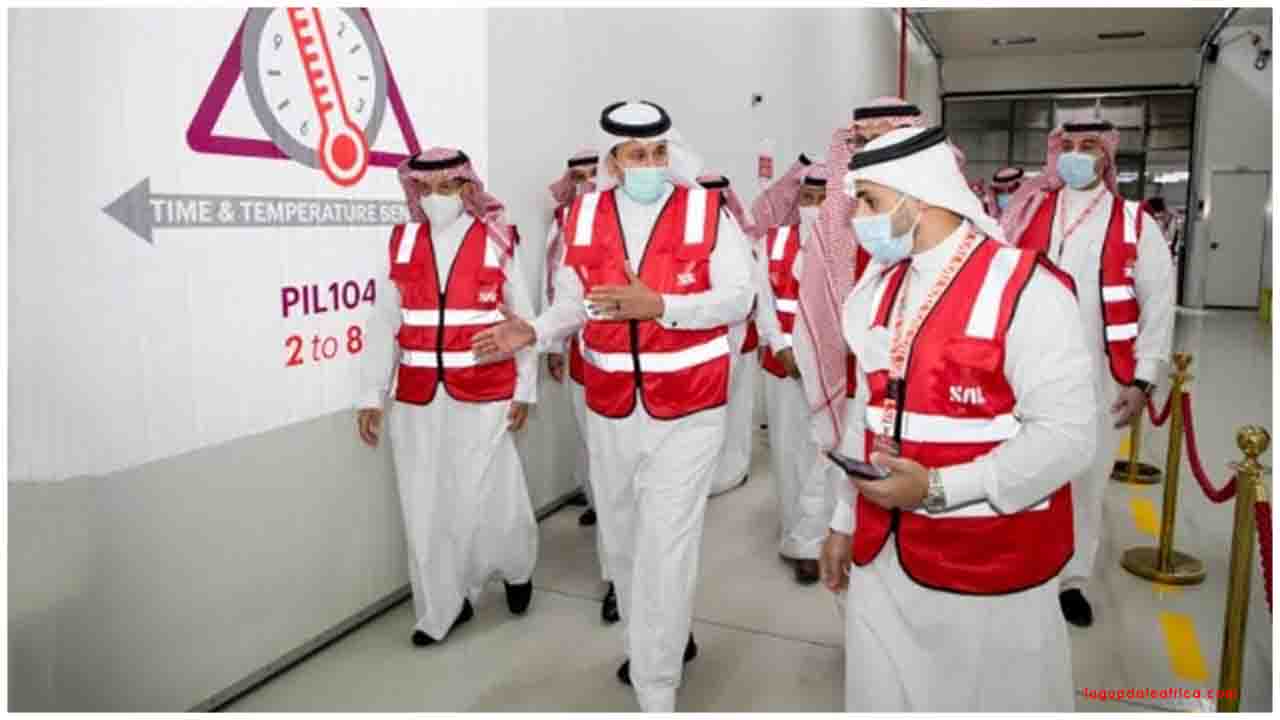
 The new facilities also feature a 650 sqm temperature control breakdown area and fully prepared to handle COVID-19 vaccines once it’s ready for distribution




Saudi Arabian Logistics Company (SAL), Saudi Arabia’s leading cargo ground handler and logistics provider, is pleased to announce the unveiling of its new pharma and perishable facilities at the Cargo Village in Riyadh, specializing in perishables and all types of pharmaceuticals, including the much-awaited COVID vaccines soon to be rolled out worldwide.
His Excellencythe Saudi Minister of Transport Eng. Saleh bin Nasser Al-Jasser inaugurated SAL’s new facilities at the country’s main gateway, King Khalid International Airport in Riyadh, Saudi Arabia. SAL, a subsidiary of the Saudi Arabian Airlines Corporation, istasked to complement the nation’s goal of creating a global logistics hub.
With 5,000 square meters of storage, the pharma and perishable facilities combined can adequately handle up to 365,000 tons of cargo a year. With SAL’s partnership with the Saudi Customs, Saudi Food and Drug Authority has made clearance of shipments becomes easier and faster.
The new facilities have four docks for loading refrigerated containers. The project, which started its operations, also has twelve warehouses with different temperatures ranging from minus 20 degrees Celsius to 25 degrees Celsius to suit the nature and type of cargo to be stored. In addition, within the facility, there is a special storagededicated for flower cargo.
SAL CEO Omar Hariri commented, “The launch of the Riyadh Cold Storage facilities comes at a historicmomentthat coincides with the world’s anticipation for the delivery of the COVID vaccine.This urgency makes us harness the capabilities of the operation capacity of our pharmaceutical facility andbe fully prepared to receive and handle the new vaccines in coordination with the health authorities.”
The new project, he added, will enhance SAL’s handling and storage services for medical and pharmaceuticals in line with the highest quality standards approved by the EU GDP.
The opening of the facilities ushers in a new and advanced phase for handling sensitive cargoes including foodstuffs that require special care. Within the facilities, there are divisions run by the Saudi Food and Drug Authority and the Saudi Customs to inspect and expedite the cargo handling process to avoid an unbreakable cool chain.
The new facilities also feature a 650 sqm temperature control breakdown area. There’s also an area for shipping refrigerated containers enough for 20 active containers. It is also equipped with a thermal isolation area.
Last May, SAL started its operations at its new facilities in the Riyadh-based King Khalid International Airport’s Cargo Village. The total area of the facilities is 42,000 square meters while its operation capacity reaches 450,000 tons a year including cargoes and goods handled.
SAL aims to contribute to the Vision 2030 objectives and turn the Kingdom into a global logistics hub and invest in its strategic geographical location connecting three continents.
The Saudi Ministry of Transport assured the country’s transport infrastructure and facilities, particularly air cargo and logistics, are fully prepared to handle COVID-19 vaccines once it’s ready for distribution.






.jpeg)








.jpg)
.jpg)
.jpg)
.jpg)
.jpg)
.jpg)


.jpg)
.jpg)
.jpg)