 Thursday, October 08, 2026
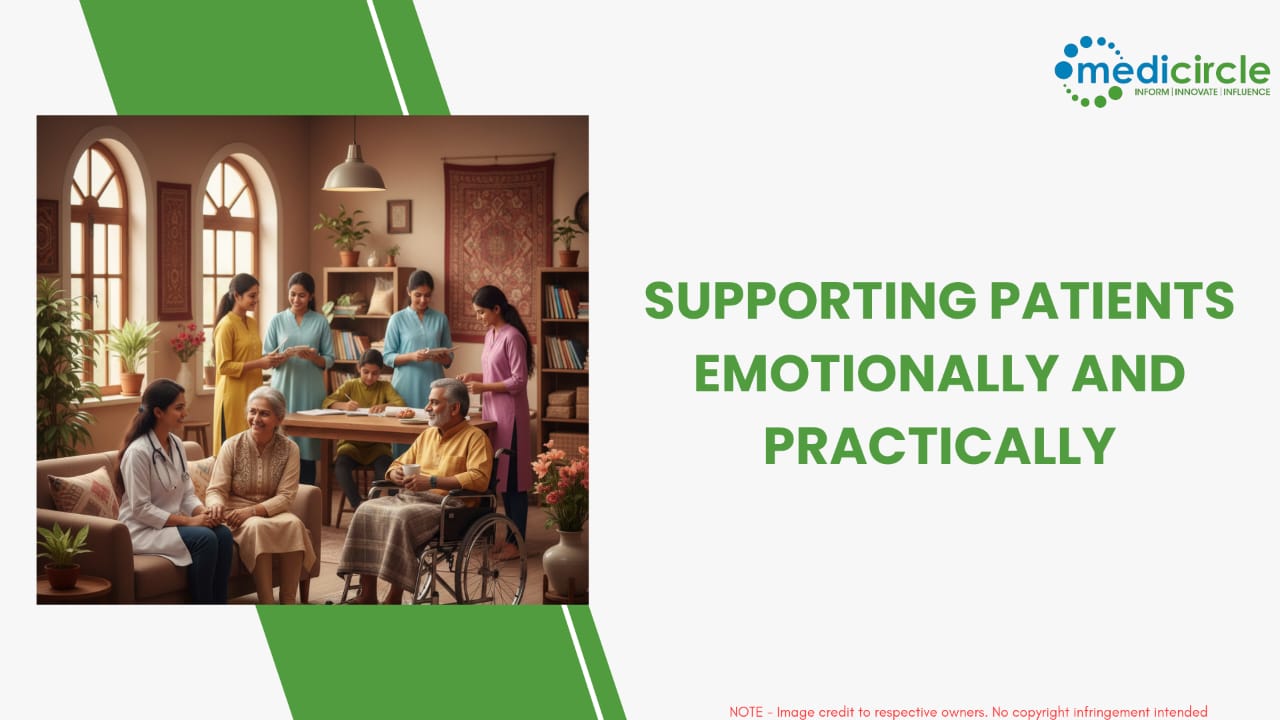
 Recovery extends beyond medicines to emotional resilience and everyday support. Addressing fear, finances and practical barriers alongside treatment leads to stronger, more sustainable healing outcomes for patients and families.




A doctor’s visit often ends with a slip of paper, a prescription, a test referral or a treatment plan. For someone facing a serious health challenge in India, that slip is just the beginning. What follows is a journey that tests more than just the body. It is a path walked with a heavy heart and faced with very real, everyday roadblocks. True recovery, the kind that lasts, needs attention to both these parts of the journey: the quiet fear inside and the loud, practical problems outside.
The unspoken fear:
Medical reports are full of numbers and terms, but they are silent on the real struggle. They do not mention the cold fear that strikes at 3 a.m. or the stress a family feels sitting in a crowded hospital corridor, unsure of what comes next. This emotional toll is a hidden weight. If it is ignored, it can slow down healing itself. When someone feels scared or alone, sticking to a difficult treatment or keeping hope alive becomes much harder.
So, what helps? Often, it is the human touch that is not found in a bottle. It is the calm voice of a trusted advisor who helps make sense of a frightening diagnosis. It is the relief of talking to someone who truly listens, without judgment and makes you feel seen. It is the strength found in simply sharing stories with others who understand your battle, which can make the burden feel lighter. By caring for this inner pain, we build a sturdier foundation for the body to mend.
Practical strain of recovery:
While the heart grapples with fear, daily life presents its own tough checklist. For many families, the first shock is financial. Hospital bills pile up, medicines are costly and taking time off work means lost wages. Figuring out insurance paperwork or government schemes can feel like a second full time job.
Then come the other hurdles. The long, tiring trip to a city hospital for each chemotherapy cycle. The puzzle of coordinating follow up visits. The simple, exhausting task of keeping a home running when you have no energy. A healing process that acknowledges this reality does more than just treat an illness. It offers a hand with the real world load, perhaps guidance on financial planning or help managing chores. Lifting these practical burdens frees a patient to pour every bit of their strength into getting well.
Stronger healing through support:
The magic happens when support for the mind and help for daily life come together. Think of a patient who is guided not only through their medical options but also through the steps of applying for aid or scheduling their appointments seamlessly. They stop being a case and are treated as a whole person.
This is the essence of true patient care. It is about empowering people with clear knowledge, helping them communicate their needs to doctors and navigating the often complex healthcare maze on their behalf. It bridges the gap between the hospital and the home.
This is where the role of compassionate health platforms becomes crucial. By breaking down complex medical information into simple, reliable insights and by connecting people through genuine experiences, they do two vital things. They arm people with understanding and they remind them they are not walking this path alone. This blend of clarity, kindness and concrete help can change a terrifying experience into a journey that feels manageable.
Healing, together:
Getting better is rarely something we do by ourselves. It is a shared effort. It succeeds when we look after the person, with all their worries, family ties, daily responsibilities and not just the disease. The most hopeful future for healthcare in India is one that consciously weaves together excellent medical treatment with this essential cushion of emotional and practical support.
So, perhaps the most important part of healing is not always a high tech scan or a new drug. Sometimes, it is the courage someone finds after being heard. It is the relief a family feels when a practical problem is solved. It is the confidence that comes from clear, compassionate guidance. This is the complete picture of care and it is where deep, lasting recovery truly takes root.






.jpeg)








.jpg)
.jpg)
.jpg)
.jpg)
.jpg)
.jpg)


.jpg)
.jpg)
.jpg)