 Saturday, October 10, 2026
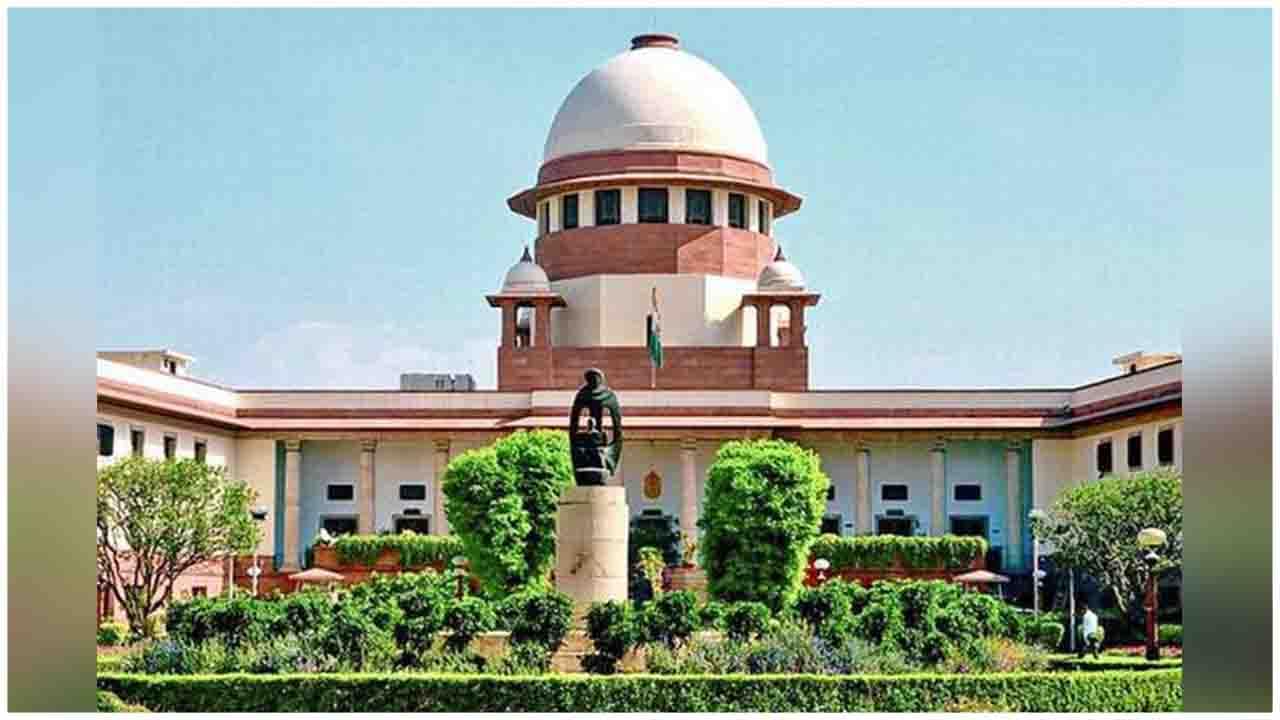
 Supreme Court warns centre and three states West Bengal,Tamilnadu and Maharashtra on mismanagement of COVID patients




The Supreme Court today termed as horrific the state of affairs in Delhi hospitals with bodies of the dead being stacked next to COVID-19 patients, and sought responses from the Centre and different states on its plea taking suo motu cognisance on the treatment being meted out to patients and the handling of the bodies.
Hospitals are not giving due care to keeping bodies and not even informing family members about deaths, as a result, they are unable to attend the last rites, the top court said.
A bench of Justices Ashok Bhushan, S K Kaul and M R Shah also issued notices to the Centre, Maharashtra, West Bengal and Tamil Nadu.The situation in Delhi is horrendous, horrific and pathetic, the bench said during the hearing.It said that the guidelines of central government are not being followed and directed the Chief Secretaries of the states to take stock of patient management system and submit status report regarding hospital staff and patient care.The top court yesterday had taken suo motu cognizance of reports of improper handling of COVID-19 patients and undignified disposal of the victims' bodies in the country.
Chief Justice of India, had taken note of the situation relating to the handling of COVID-19 patients and bodies of the victims and assigned the case to a bench headed by Justice Ashok Bhushan.
The top court titled the case as Proper Treatment of COVID-19 Patients and Dignified Handling of Dead Bodies in Hospitals etc. and listed the matter for Friday.PM Modi to interact with State Chief Ministers on 16th,17th June. Prime Minister Narendra Modi will interact with the Chief Ministers of all States and Union territories on the 16th and 17th of June at 3 P.M. He will interact with them through video conferencing.
On 16th June, the Prime Minister will interact with 21 States and Union Territories - Punjab, Assam, Kerala, Uttarakhand, Jharkhand, Chhattisgarh, Tripura, Himachal, Chandigarh, Goa, Manipur, Nagaland, Ladakh, Puducherry, Arunachal, Meghalaya, Mizoram, Andaman and Nicobar Islands, Dadra, Nagar Haveli, and Daman & Diu, Sikkim and Lakshadweep.
Mr. Modi will interact with 15 States and Union Territories- Maharashtra, Tamil Nadu, Delhi, Gujarat, Rajasthan, Uttar Pradesh, Madhya Pradesh, West Bengal, Karnataka, Bihar, Andhra Pradesh, Haryana, Jammu And Kashmir, Telangana and Odisha on the following day.
The meeting assumes significance in the wake of the rising number of Corona virus cases in the country. This will be the sixth meeting of the Prime Minister with the Chief Ministers since the announcement of nationwide lockdown in March. Currently, the country is under the fifth phase of the lockdown which entails much more relaxations than the previous ones. Under Unlock 1.0, the Centre and State Governments have eased several restrictions for the convenience of public and businesses to ensure that economic activities gather momentum.
Cabinet Secretary yesterday held a meeting with Chief Secretaries of all the states and advised them to focus on containment, testing and tracing, health infrastructure up-gradation and community engagement for effective management of COVID-19.






.jpeg)










.jpg)
.jpg)
.jpg)
.jpg)
.jpg)
.jpg)


.jpg)