 Wednesday, November 18, 2026
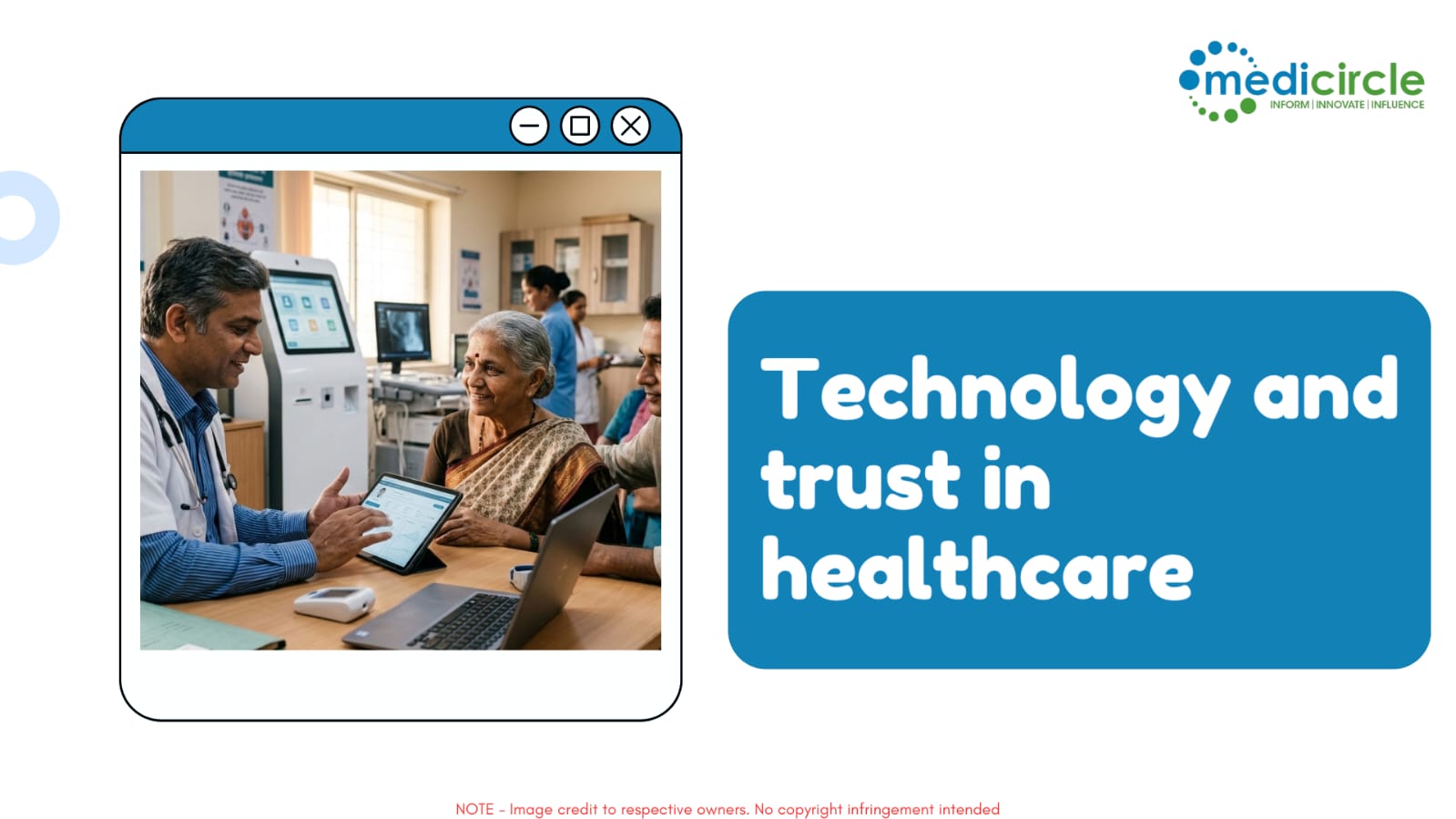
 India is transforming healthcare by blending advanced technology with transparency. This movement shifts reactive care to proactive wellness, ensuring quality medical access is a reality for every citizen.





The manner in which people approach health in India is undergoing a profound transformation. While the nation has long been recognized for medical expertise, the real change is happening in how that expertise reaches the individuals who need it most. Societies are moving toward a future where a patient in a remote village has the same access to quality care as someone living in a major metro. This shift is not just about new gadgets. It is about a fundamental commitment to transparency and the human connection.
Proactive Medical Care:
Historically, most individuals only thought about the doctor when they felt unwell. The country functioned in a reactive system. Today, technology is helping to flip that script toward proactive wellness.
Tools such as wearable health monitors and digital health lockers are empowering millions of Indians to take charge of their well-being before a crisis occurs. By maintaining digital records, patients eliminate the old stress of carrying heavy files of physical reports to every appointment. This seamless data sharing allows doctors to see the full picture of a patient history instantly. Such access leads to faster and more accurate diagnoses while significantly reducing the margin for error.
Humanizing Digital Health:
There is often a fear that technology might make healthcare feel cold or mechanical. However, in the Indian context, the opposite is proving true. The bond between a doctor and a family is sacred. Digital tools are actually strengthening that tie by fostering better communication.
Modern patients act as researchers. They want to understand their prescriptions and explore second opinions. Digital platforms that provide verified and easy to understand medical information help bridge the knowledge gap. When a healthcare provider uses a digital portal to update a family on a patient recovery or to explain a complex procedure through simple visuals, it builds a deep sense of security. It is about being high touch through high tech. Using innovation makes the doctor and patient relationship more transparent and reliable.
Local Healthcare Innovation:
What makes the current health revolution in India so special is the local heart. Companies are not just importing global technology. They are creating solutions tailored to a specific geography and a diverse population.
For instance, inclusive innovation includes portable diagnostic tools that can be carried on a motorbike to reach rural areas. Furthermore, language accessibility is improving as artificial intelligence health applications now speak to users in local languages. This ensures that lifesaving information is not blocked by a language barrier. By sharing real time health updates and success stories, digital platforms are raising the collective health intelligence of the country. This awareness is a primary defense against chronic diseases.
Future Health Vision:
The future of Indian healthcare is not a race between tradition and technology. Instead, it is a partnership. The goal is to ensure that every digital advancement is rooted in ethical care and patient safety.
When individuals choose to use digital health solutions, they are not just using an application. They are participating in a movement that values time and health. By prioritizing platforms that lead with empathy and accuracy, citizens help build a healthcare ecosystem that is both revolutionary and deeply trustworthy. Together, people are making sure that world class wellness is not a privilege for the few but a reality for every Indian.





-23-300x250.png)





















