 Sunday, October 11, 2026
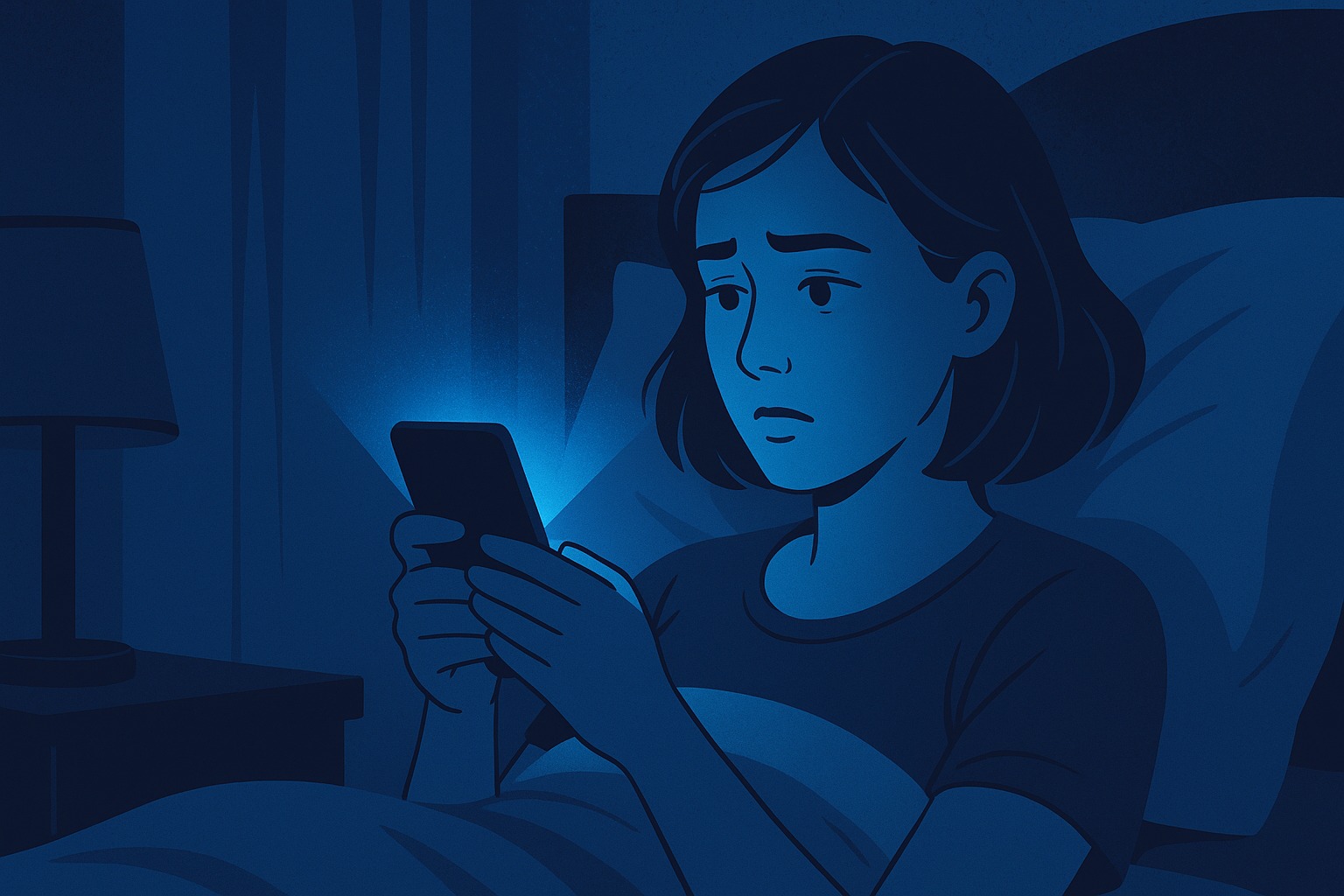
 Research has shown that exposure to blue in the day helps maintain alertness, promote hormonal balance, and overall well-being of the body




With the digital age well underway, our exposure to blue light has skyrocketed. It's not just sunlight; screens, LED lighting, and even our smartphones emit a significant amount of blue light. This exposure has generated concerns about its effect on sleep and potential eye health impacts.
But what is the truth about blue light and its effects on our vision and sleeping patterns?
Research has shown that exposure to blue in the day helps maintain alertness, promote hormonal balance, and overall well-being of the body. One such paper, published in the "International Journal of Molecular Sciences" in 2022 corroborated this. However, it also warned that during the night continuous exposure to blue light, more so, when it was coming from artificial sources may disturb the release of melatonin, which controls the sleep-wake cycle, or delay sleep. It may also cause eye strain.
The study also highlighted the impact of prolonged exposure to high-energy blue light on eye problems. The researchers that managing the duration amount of blue light exposure was very important ensure good sleep and also keep the eyes healthy.
Blue light is on the shorter end of the visible light spectrum (450-495 nanometres) than red light (620 to 750 nm), explains, Dr. Siddhi Goel, Consultant & Head Unit-2 – Ophthalmology at Asian Hospital, because its wavelength is shorter, it has more energy than other visible light colours. While it is true that blue light can disrupt our circadian rhythms and affect our sleep habits, the extent to which it affects eye health is often misunderstood.
During the day, blue light plays a positive role by helping us stay awake and alert. However, excessive blue light exposure from your phone, tablet, or computer late at night can make it difficult to fall asleep, she added.
Sharing his views on the effect of blue light on sleep patterns, Dr Aakaar Kapoor, CEO and Lead Medical Advisor at City Xray Scan & Clinic said, “Studies show that blue light generated by electronic devices inhibits melatonin secretion, a hormone that regulates the circadian rhythm and controls our sleep-wake cycle. As a result, it is recommended that you restrict your screen usage two to three hours before bedtime. You can also use nighttime settings on your gadgets to reduce blue light exposure in the nights.
Interestingly, numerous studies have found that blue light exposure can have both detrimental and good effects. For example, blue light exposure has been shown to be an excellent treatment for significant depression symptoms, has a stimulating influence on cognitive brain activity, and improves physical performance.
“While blue light is commonly linked with computers and phones, sunlight is the primary source of blue light. Other sources include fluorescent lights, compact fluorescent light bulbs, and LED lights. Blue light exposure from screens is far less than that from the sun. It is also not as harmful as blue light from the sun. Too much exposure to the sun's ultraviolet light raises the risk of eye disorders such as cataracts, eye growths, and cancer. We know less about blue light. Its effects are currently being explored,” said Dr. Siddhi.






.jpeg)










.jpg)
.jpg)
.jpg)
.jpg)
.jpg)
.jpg)


.jpg)