Sunday, October 25, 2026
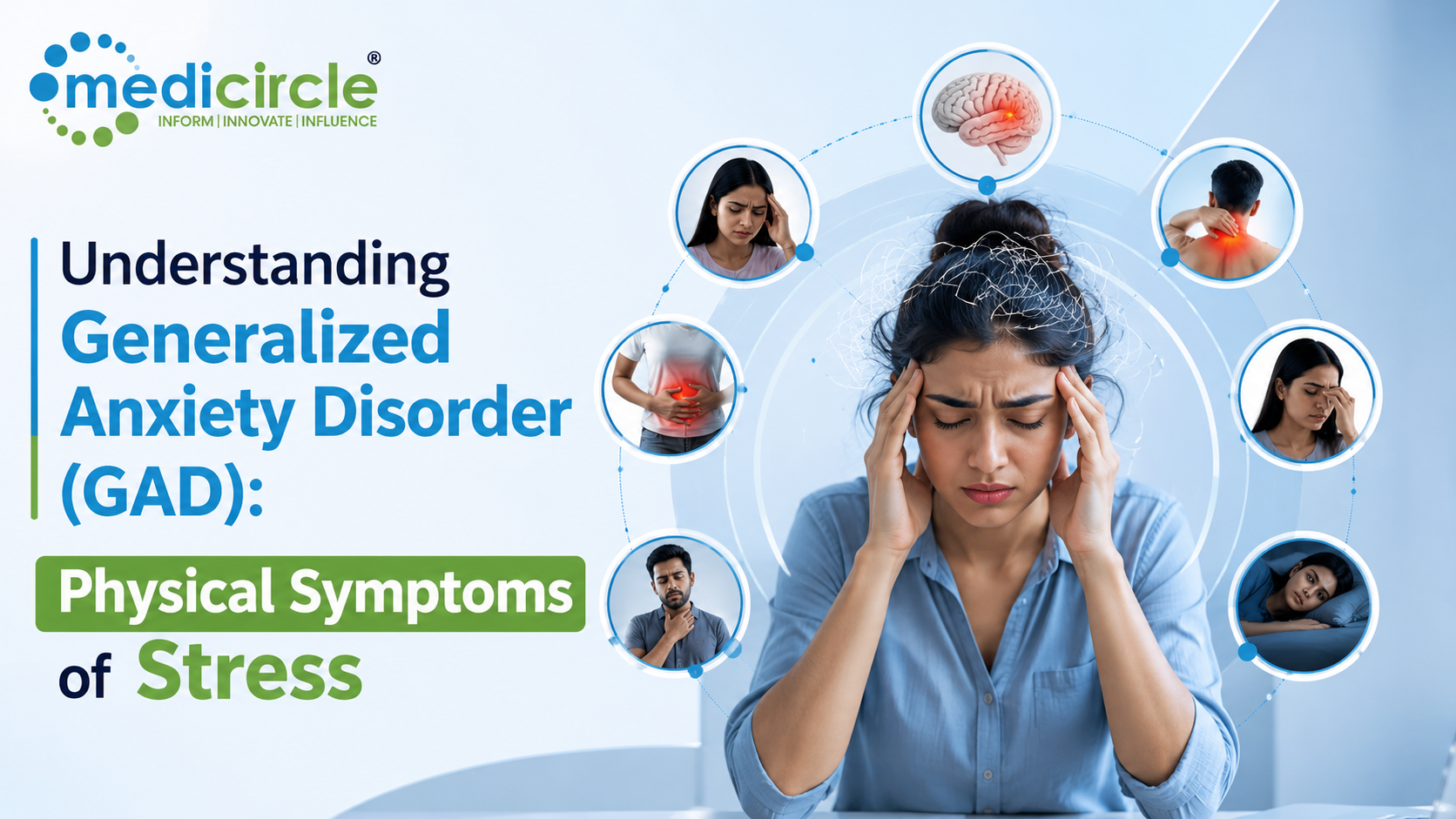
 Anxiety is more than a mental health concern—it affects the entire body. Clinical research shows that persistent anxiety can trigger physical symptoms such as rapid heartbeat, muscle tension, digestive issues, fatigue, and sleep disturbances, highlighting the deep connection between mental and physical well-being.




Anxiety is frequently discussed as a mental or emotional challenge—a cycle of persistent worry, intrusive thoughts, and cognitive fatigue. However, according to clinical insights from institutions like the Cleveland Clinic and the Mayo Clinic, anxiety is fundamentally a whole-body experience.
When temporary stress transforms into Generalized Anxiety Disorder (GAD), the boundaries between psychological distress and physical illness blur. Many individuals find that anxiety shows up clearly in the body long before the mind registers a specific conscious worry. Recognizing how chronic stress manifests physically is essential for securing an accurate diagnosis and building a comprehensive treatment plan.
What is Generalized Anxiety Disorder (GAD)?
Everyone experiences periods of stress or apprehension when navigating major life transitions, financial changes, or career challenges. This normal anxiety acts as an evolutionary tool to keep us alert to potential dangers.
In contrast, GAD occurs when this worry shifts into overdrive, becoming frequent, unrealistic, and difficult to control. To meet the standard diagnostic criteria for GAD, an individual must experience excessive anxiety and worry about a variety of everyday events or activities on most days for at least 6 months.
The Psychology of Uncontrollable WorryIndividuals living with GAD find it incredibly challenging to step away from their anxious thought patterns. This isn't typical day-to-day stress where a person feels anxious about an upcoming presentation or an overdue bill and then relaxes once the event concludes. With GAD, the mind shifts into a state of persistent overthinking, constantly planning for or attempting to solve worst-case scenarios.
Even when things are going perfectly smoothly, an individual with GAD may experience an intense feeling of impending doom or a persistent belief that disaster is right around the corner. This relentless mental loop drains executive function, impairs decision-making capabilities, and impacts overall productivity.
How Chronic Stress Impacts the Body's Physiology
When your brain perceives a threat—whether it is an immediate physical hazard or an abstract worry about the future—it activates the autonomic nervous system's fight-or-flight response. This physiological reaction floods the body with stress hormones like adrenaline and cortisol.
[Perceived Stressor/Worry] ➔ [Autonomic Nervous System Activation] ➔ [Cortisol & Adrenaline Surge] ➔ [Systemic Physical Symptoms]
In short-term scenarios, these hormones safely recede once the threat passes. However, because GAD lacks an internal "off-switch," the body remains in a continuous state of low-grade physiological arousal. Over time, this constant chemical exposure leads to distinct physical symptoms.
The Neurobiology of AnxietyBehind the scenes, GAD is closely linked to subtle disruptions in the complex nerve cell pathways that connect the specific regions of the brain responsible for processing thoughts and managing emotions. These internal networks rely heavily on specialized chemical messengers called neurotransmitters to pass information smoothly from one neuron to the next.
When the signaling within these neural pathways is disrupted, emotional regulation suffers, leaving the nervous system locked in a hyper-reactive state. Consequently, ordinary, non-threatening situations are consistently perceived as major hazards, triggering a physical survival response when no real danger exists.
Core Physical Manifestations of GAD
The same nervous system that processes emotional fear also regulates digestion, muscle tone, breathing, and heart rhythms. Consequently, chronic GAD can cause a wide range of bodily complaints:
1. Chronic Muscle Tension and PainBecause the fight-or-flight response constantly primes muscles to react to danger, individuals with GAD often experience persistent physical tightness. This frequently results in tension headaches, jaw clenching (bruxism), neck stiffness, and unexplained backaches or generalized muscle soreness. Over time, this constant physical contraction can contribute to chronic pain syndromes, leaving individuals feeling physically exhausted even if they haven't engaged in heavy exertion.
2. Gastrointestinal DistressThe gut is deeply interconnected with the central nervous system through an intricate communication network known as the gut-brain axis. When the brain is flooded with stress hormones, it directly impacts digestive tracking. Chronic anxiety can disrupt regular digestive processes, leading to functional issues like nausea, acute stomach pain, acid reflux, ulcers, diarrhea, and Irritable Bowel Syndrome (IBS).
3. Autonomic HyperarousalContinuous hormonal surges can alter vital signs and involuntary actions. Common symptoms include:
- Heart Palpitations: A racing heart, an elevated resting pulse, or the sensation that your chest is pounding.
- Sudden Perspiration: Profuse sweating, clammy palms, or hot flashes without any physical exertion or ambient temperature changes.
- Trembling and Twitching: Visible shaking in the hands, a feeling of internalized jitters, or involuntary muscle twitches.
- Shortness of Breath: Shallow hyperventilation, a tight feeling in the chest, or the persistent sensation of having a "lump in your throat."
Living in a state of constant physical alertness quickly drains energy reserves, leading to profound daytime fatigue. Despite this exhaustion, falling asleep or staying asleep remains difficult because the nervous system cannot relax, resulting in chronic insomnia. This lack of restorative sleep creates a challenging cycle: poor sleep leaves the brain more vulnerable to anxiety, which in turn leads to further sleep disturbances.
Underrecognized Behavioral and Cognitive Signs
While the physical symptoms can be incredibly disruptive, GAD also presents through distinct behavioral adaptations and cognitive shifts that reflect the body's internal state of distress:
- Difficulty Tolerating Uncertainty: A defining characteristic of GAD is an intense discomfort with unpredictable situations, driving a constant need for reassurance and control.
- Avoidance Behavior: Individuals often begin staying away from social settings, career opportunities, or routine tasks because the accompanying anxiety feels too intense to manage.
- Perfectionism and Over-Analysis: Many individuals struggle with indecisiveness and a fear of making the wrong choice. They may spend hours redoing simple tasks or over-analyzing plans to avoid errors.
- Irritability and Restlessness: Being constantly on edge often leaves individuals with a short temper, low patience, and an inability to enjoy quiet, unstructured time.
Root Causes and Compounding Risk Factors
Developmental and clinical research indicates that GAD rarely stems from a single isolated source. Instead, it typically develops from a combination of biological, psychological, and environmental influences:
Genetic Links and Family HistoryStudies show that anxiety disorders run in families. If an individual has close blood relatives who navigate GAD, panic conditions, or clinical depression, their statistical likelihood of developing similar traits increases significantly.
Personality and Temperament Trait PatternsAn individual's natural baseline personality can influence their vulnerability to chronic anxiety. Those who possess a naturally timid disposition, have a negative outlook, or consistently avoid unfamiliar situations are often more prone to developing GAD over time.
Accumulated Life Stress and Traumatic HistoryExperiencing major trauma during childhood or navigating significant adult life stressors—such as a divorce, the loss of a loved one, a sudden career shift, or ongoing financial instability—can trigger persistent hyperarousal in the nervous system. Additionally, managing a chronic physical illness (like diabetes or high blood pressure) can cause ongoing worry about health and treatments, further accelerating the condition.
Long-Term Health Complications of Unmanaged GAD
Leaving GAD unaddressed can lead to wider complications that extend far beyond psychological worry:
[Unmanaged GAD]
├── Co-occurring Mental Health Concerns ──> Clinical Depression, Substance Misuse, Phobias
└── Compounding Physical Health Issues ──> Chronic Migraines, Insomnia, Cardiac Stress
- Increased Risk of Depression: The emotional and physical strain of living with constant anxiety can gradually lead to clinical depression.
- Substance Misuse: Some individuals may inadvertently turn to alcohol, nicotine, or recreational drugs to self-medicate their physical symptoms, which often ends up worsening their long-term anxiety.
- Impaired Daily Functioning: Chronic concentration issues and memory fog can make it difficult to complete tasks quickly and efficiently, affecting school or workplace performance.
Comparison of Physical Anxiety Responses Across Disorders
While GAD involves a steady, ongoing baseline of tension, different anxiety disorders trigger distinct physical patterns:
|
Anxiety Condition |
Primary Physical Pattern |
General Duration |
|---|---|---|
|
Generalized Anxiety (GAD) |
Ongoing muscle tension, fatigue, headaches, and digestive issues. |
Chronic; persists for months or years. |
|
Panic Disorder |
Sudden, intense chest pain, choking sensations, and a spiking heart rate. |
Acute; peaks rapidly within minutes. |
|
Social Anxiety Disorder |
Blushing, dizziness, nausea, and trembling in social settings. |
Situational; tied to public interaction. |
Managing and Treating the Mind-Body Cycle
Because physical symptoms can mimic other medical issues, healthcare providers typically perform initial examinations to rule out underlying structural conditions, such as thyroid imbalances. Once a primary care provider identifies GAD as the root cause, they usually recommend a multi-disciplinary treatment strategy:
- Psychotherapy: Cognitive Behavioral Therapy (CBT) serves as a first-line psychological treatment. It focuses on teaching specific, actionable skills to identify and reframe negative thought loops, helping patients gradually return to activities they may have avoided. Complementary methods like mindfulness and acceptance practices offer further tools for emotional regulation.
- Medical Management: Depending on symptom severity, providers may prescribe antidepressants (such as SSRIs or SNRIs like escitalopram, duloxetine, or venlafaxine) for long-term stabilization. Anti-anxiety medications like buspirone may also be used on an ongoing basis. In some cases, beta-blockers are prescribed to help manage physical signs like a racing heart and trembling during high-stress moments.
- Somatic and Lifestyle Techniques: Incorporating daily wellness practices can make a significant difference. Regular physical exercise acts as a natural stress reducer, while dedicated sleep hygiene helps restore natural rest cycles. Additionally, practicing relaxation techniques (like progressive muscle relaxation or yoga) and cutting back on central nervous system stimulants like caffeine and nicotine can help calm a hyperactive fight-or-flight response.
Frequently Asked Questions (FAQs)
Q1: Can a person experience physical anxiety symptoms without consciously feeling worried?Yes. The brain and body are deeply connected, meaning your physical systems can react to stress with a racing heart, muscle tightness, or digestive discomfort before your mind consciously processes an emotional worry.
Q2: What is the main difference between normal daily stress and GAD?Normal stress is a temporary reaction to an external pressure that resolves once the situation passes. GAD involves persistent, uncontrollable, and intense anxiety that lasts for at least six months and disrupts daily functioning, often without an obvious external trigger.
Q3: Why does chronic anxiety cause persistent muscle tension?When the brain senses a threat, it triggers a survival response that causes muscles to tighten to protect the body from injury. In GAD, because this threat response never shuts off, the muscles stay constantly contracted, leading to chronic aches and headaches.
Q4: How do doctors distinguish GAD from underlying heart or thyroid conditions?Physicians begin by assessing your medical history and running standard diagnostic tests, such as electrocardiograms (ECGs) and blood panels, to rule out physical issues like hyperthyroidism or cardiac conditions before diagnosing an anxiety disorder.
Q5: How do beta-blockers assist with anxiety if they are blood pressure medications?Beta-blockers work by blocking the effects of adrenaline on the body's receptors. This helps control the physical, trembling symptoms of anxiety, such as a pounding heartbeat, sweating, or shaking, without directly altering your psychological thoughts.
Q6: Can Generalized Anxiety Disorder cause long-term digestive problems?Yes. Chronic stress constantly disrupts the gut-brain axis, altering digestion and potentially leading to ongoing issues like acid reflux, chronic nausea, stomach ulcers, or irritable bowel syndrome (IBS).
Q7: Why does GAD cause intense fatigue even when a person hasn't exercised?Living with GAD means your body is constantly spending energy to maintain a fight-or-flight state of alertness and muscle tension. This continuous drain, combined with poor sleep quality, often leaves individuals feeling deeply exhausted.
Q8: What role does caffeine play in aggravating the physical signs of GAD?Caffeine is a central nervous system stimulant that can mimic or worsen the body's fight-or-flight response, potentially triggering or amplifying symptoms like heart palpitations, jitters, and sleep disturbances.
Q9: Is Generalized Anxiety Disorder hereditary?Research suggests that genetics play a significant role, with roughly one-third of the risk for developing GAD linked to an inherited family history of anxiety conditions.
Q10: How long does it typically take to see improvement with anxiety treatments?Response times vary by individual and approach. Somatic relaxation exercises can provide immediate, short-term relief for physical tension, while therapeutic interventions like CBT or prescription medications usually require several weeks or months to yield noticeable changes.





-23-300x250.png)

.jpeg)


.jpg)
.jpg)
.jpg)
.jpg)
.jpg)
.jpg)
.jpg)
.jpg)
.jpg)