 Sunday, October 11, 2026
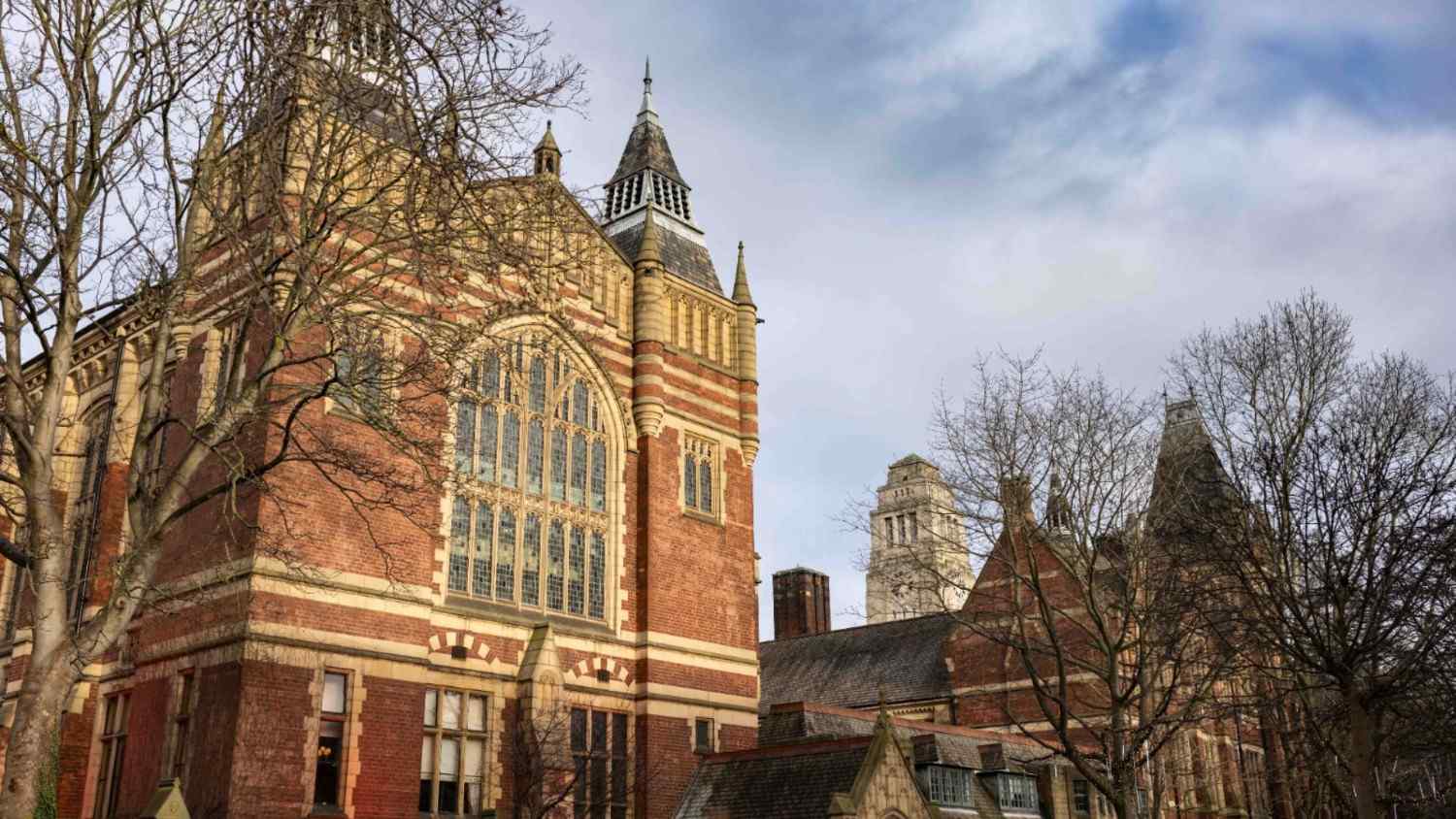
 The programme enables students to develop advanced scientific skills, engage in impactful research and specialise in either Disease Mechanisms and Treatments for Cancer Biology and Therapy, preparing them for careers in academia, industry and clinical research.




New Delhi, May 8, 2026: The University of Leeds is inviting applications for its MSc in Molecular Medicine for the September 2026 intake. This course enables students to develop as scientists or scientifically literate clinicians, studying molecular approaches to diagnosing, preventing and treating cancer, chronic, autoimmune and genetic diseases.
Grounded in applied biomedical science, the course examines the molecular mechanisms of cancer and their relevance to diagnosis, prevention and treatment. Students gain in-depth knowledge of cancer research principles, the basis of cancer therapy and how new treatments are developed. They benefit from cutting-edge teaching in molecular biology, immunology, cell biology and chemistry, undertake an independent research project within a leading institute, and generate results with real scientific impact. The programme equips students to evaluate major challenges in cancer research and translate scientific advances into therapeutic applications.
Entry Requirements: First class or grade equivalent undergraduate degree in a relevant subject from a recognised Indian university.
Start Date: September 2026
Application Deadline: 31st July 2026
Duration: 12 months full-time
English Language Requirements: Students will need Standard XII English at 70% or 75% depending on the state board, or IELTS 6.5 overall, with no less than 6.0 in any component.
Tuition: £32,000 total (INR 37,67,780 appx.)
Scholarship Details:
- £6,000 International Masters Regional Scholarships for all Indian students
- International Excellence Scholarship for Indian Students - 500 awards with up to a 50% fee reduction available for international students.
Industry Exposure under UoL’s Global Industry Programme: While studying at Leeds, students have a unique opportunity to gain real-world industry consultancy experience through a two-week virtual Global Industry Programme. This not only helps them build valuable industry connections but also develops practical and professional skills that help them stand out in the competitive graduate job market.
Career Opportunities: This course offers strong preparation for science graduates aiming to build careers in industry, clinical services, academic medicine or doctoral research, as well as clinicians interested in developing clinical academic careers. Many alumni progress to PhD programmes in the UK and internationally, while others move into industry roles, join NGOs or work within healthcare settings. Students benefit from personalised guidance from a dedicated tutor, ensuring their academic work translates into clear professional advancement. Graduates have gone on to become PhD researchers, medical writers, industry research scientists with organisations such as Nikon, Cyprotex and Lonza, academic research assistants, and healthcare technicians or scientists within the NHS.






.jpeg)










.jpg)
.jpg)
.jpg)
.jpg)
.jpg)
.jpg)


.jpg)