 Saturday, November 21, 2026
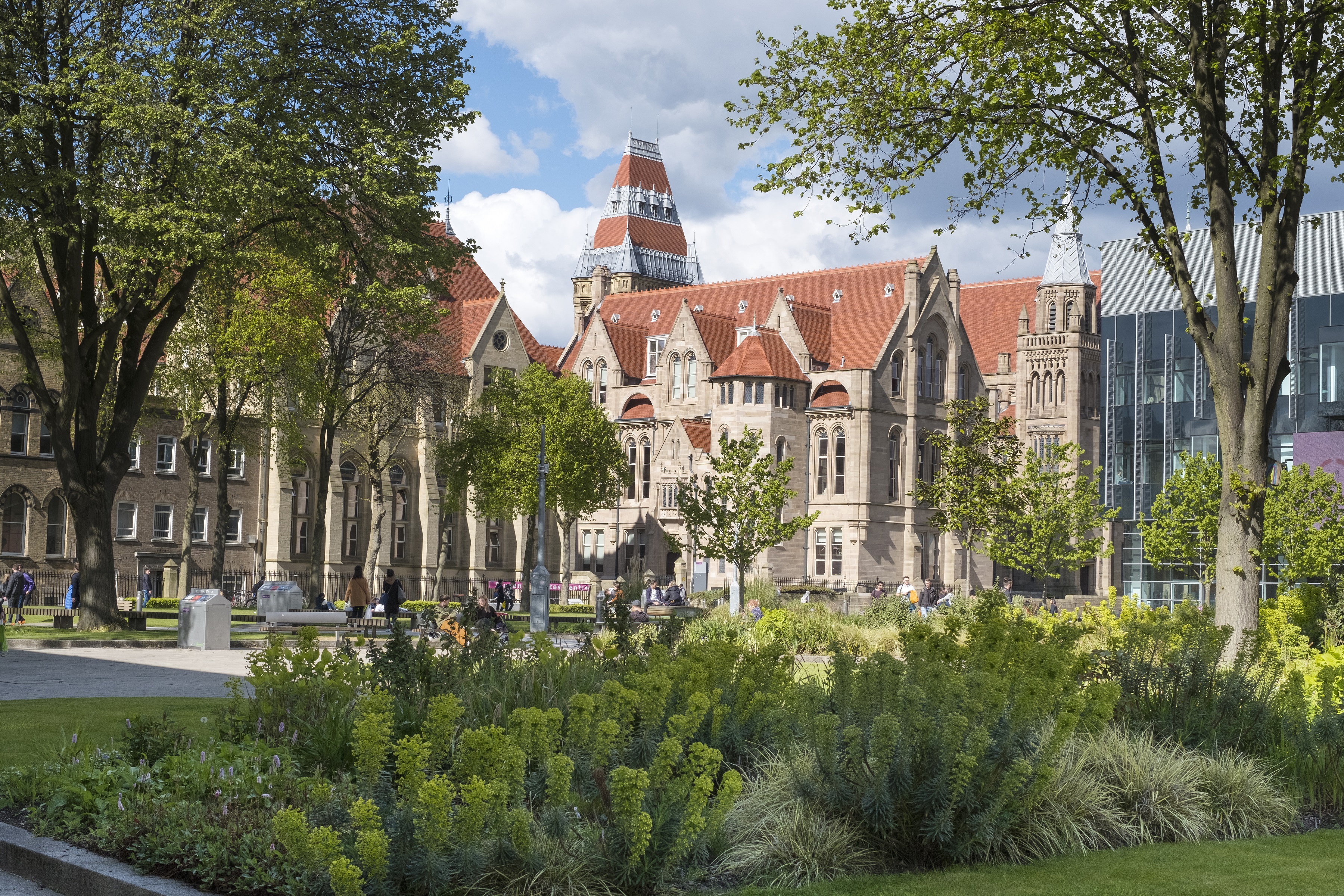
 Several postgraduate-taught scholarships and awards to outstanding applicants, such as the Humanities Bicentenary Scholarship of £10,000 for 1 year of study.





December 13th, 2024: The University of Manchester is inviting applications from Indian students for their MSc in Climate Change: Science, Society and Solutions for the 2025 session.
The MSc Climate Change: Science, Society and Solutions program, situated in the world's first industrialised city, offers a unique perspective on addressing climate change. Led by the Department of Geography and involving contributions from various University departments, including the Tyndall Centre for Climate Change Research and the Global Development Institute, it equips students with the knowledge and skills to respond to human-induced climate challenges. The interdisciplinary curriculum covers mitigation strategies, societal and political contexts, and scientific fundamentals. It empowers students with applied understanding and critical thinking to explore various options, from greenhouse gas reduction to solar geoengineering, while fostering research and communication skills.
The program caters to those interested in careers in local, national, or international climate policy; climate change innovations in businesses and industries; corporate social responsibility (CSR); advocacy or lobbying for climate action in non-governmental organisations (NGOs); or academic research on climate change. Students can specialise based on their interests and goals with various elective units. Guidance is provided throughout the induction process and program to support individualised specialisation.
Programme delivery: Students will select three elective units from a range of offerings across Geography and other disciplines within the School of Environment, Education and Development (including the Department of Planning and Environmental Management and the Global Development Institute), the School of Social Sciences (including the Department of Politics), the School of Arts, Languages and Cultures (including the Humanitarian and Conflict Response Institute), and the University College for Interdisciplinary Learning (UCIL).
Degree Awarded: Master of Science (MSc)
Applications open: October 10, 2024
Duration: 1 year
Entry Requirements:
- Candidates who have completed a minimum of a three-year degree and obtained First Class Upper Second (2.1) classification or the overseas equivalent. (You will need a 60% bachelor’s degree) from a reputable university to be considered for postgraduate study in Climate Change.
- Applications from a variety of subject areas to reflect the interdisciplinary nature of the programme are welcomed.
- Please feel free to contact the team directly for further advice on your specific background and qualifications.
- IELTS – 6.5 overall, with 6.5 in writing and no other element below 6.0
Tuition Fee: £31,000 per annum
Scholarship: There are several scholarships and bursaries available for international students like:
- Several postgraduate-taught scholarships and awards to outstanding applicants, such as the Humanities Bicentenary Scholarship of £10,000 for 1 year of study.
- The Global Futures Scholarship offering, £8,000 to South Asian students.
- The Manchester Alumni Scholarship Scheme offers a £3,000 fee reduction to Manchester alumni who achieved a first-class?bachelor's?degree within the last three years and are progressing to postgraduate study.?
- For more information,?please check the Fees and Funding page.
- Commonwealth Scholarships and Fellowships Plan (CSFP) General Scholarship
A number of Indian Government scholarships are also available to students from specific states/backgrounds, including:
- Rajiv Gandhi Scholarship for Academic Excellence (Rajasthan)
- Rajarshi Shahu Maharaj Scholarship (Maharashtra)
- National Overseas Scholarship Scheme
- Marang Gomke Jaipal Singh Munda Overseas Scholarship (Jharkhand)
How to Apply: https://www.manchester.ac.uk/study/masters/admissions/how-to-apply/





-23-300x250.png)




















