Tuesday, October 06, 2026
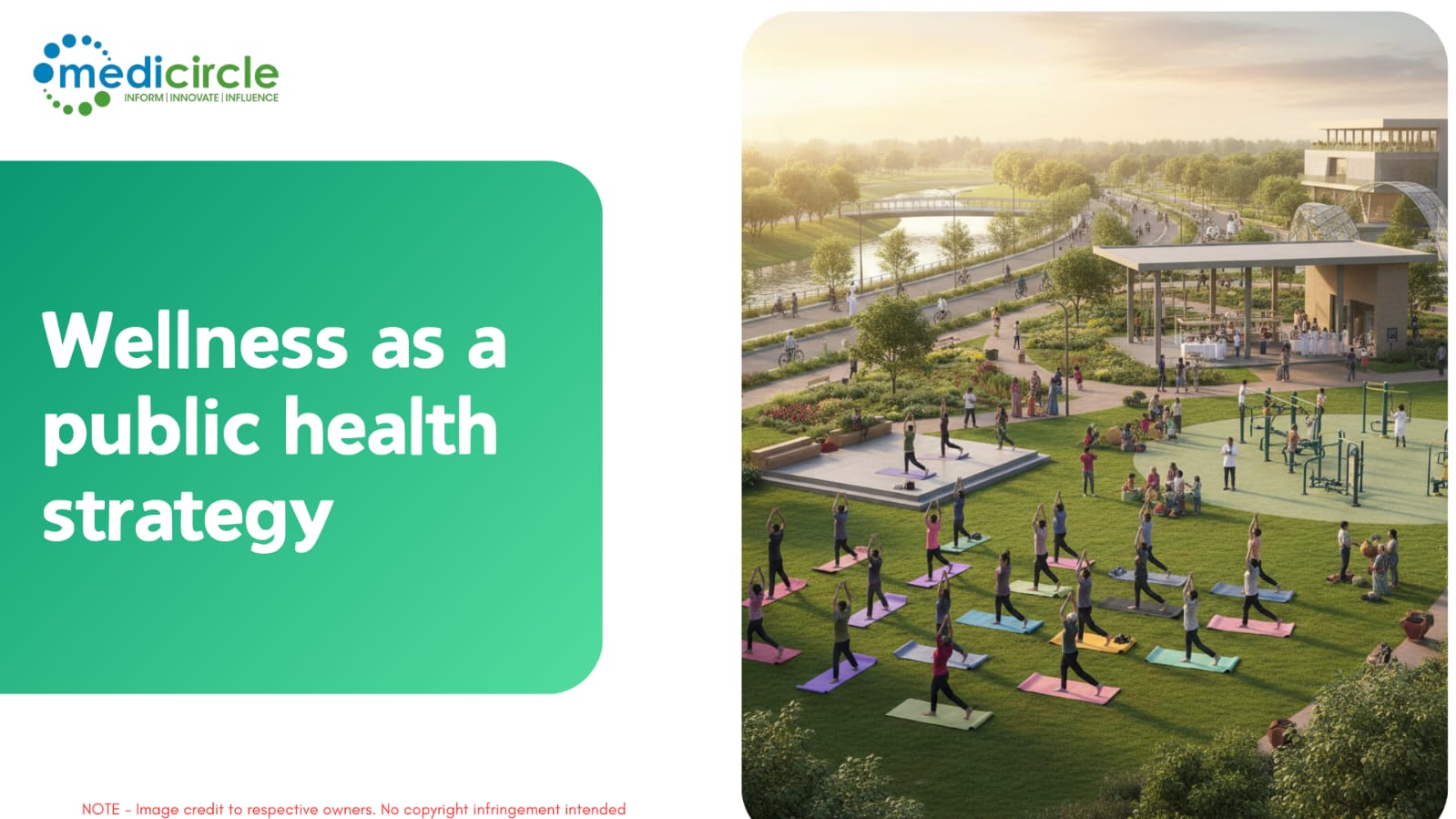
 India is shifting from reactive treatment to proactive wellness. By integrating ancient wisdom with modern technology and emphasizing prevention, the nation can reduce disease burdens and ensure economic stability.




The mindset regarding health in India is experiencing a significant and necessary transformation. For many generations, the standard method was quite simple because individuals would wait until they felt sick before visiting a medical professional. This reactive model focuses almost entirely on treating a disease after it has already damaged the body. However, as the nation struggles with a massive rise in lifestyle conditions such as diabetes and heart disease, it is clear that we cannot simply treat our way out of this crisis. The future of a healthier India depends on shifting our focus toward the early stages of care. We must prioritize wellness and prevention long before a hospital visit becomes an urgent necessity.
Beyond Hospital Walls:
In the past, the strength of a medical system was measured by the total number of hospital beds or specialized clinics. While these facilities remain vital, a wellness based strategy asks a different question. We must ask how we can prevent people from needing those beds in the first place. By focusing on daily habits and environmental factors, we can stop many chronic illnesses before they start. For a country with such a large population, this is not just a personal choice but a national requirement. Reducing the number of people suffering from preventable illnesses eases the burden on our medical infrastructure. This shift allows doctors to dedicate more time to complex cases that truly require emergency intervention.
Ancient Wisdom Modern Data:
India possesses a unique advantage in this global shift toward wellness. We have a deep history of holistic health through practices like Yoga and Ayurveda. Today, we are seeing these traditions merge with twenty first century science. Modern wellness in India now includes routine screenings that identify risks through regular blood work and checkups. It also involves nutritional literacy to understand how local diets impact long term metabolic health. Digital monitoring through smart devices allows us to track activity and heart rates in real time. This data driven approach turns wellness from a vague idea into a precise medical tool. It allows individuals to see the immediate impact of their daily choices.
Technology for Equality:
In a country where access to specialists can vary between cities and villages, technology serves as the great bridge. Digital health platforms and telemedicine are changing the game by bringing expert medical insights directly to a smartphone. Innovation in electronic health acts as a massive force multiplier for our doctors. When a person in a remote area can access verified information or consult a nutritionist online, they are empowered to manage their own well-being. Early warning signs of conditions like hypertension can be caught through wearable technology today. This prompts simple lifestyle changes that avoid major surgeries many years down the line. The democratization of information is the essential backbone of a resilient public health strategy.
Economic Case for Health:
We often hear the phrase that health is wealth, but there is a literal economic truth to that statement. For most Indian families, a single major health crisis can be a devastating financial blow. Treatment for chronic diseases is very expensive because it requires lifelong medication and repeated hospital stays. Shifting toward a wellness focused mindset is the best form of financial planning for any household. On a larger scale, when businesses invest in the health of their employees, they see fewer sick days and higher energy levels. A healthy workforce is the engine of a thriving economy. This makes prevention a very smart investment for the nation as a whole.
Prioritizing the Mind:
A holistic view of public health is incomplete without addressing mental well-being. The pace of modern life in India has brought about new challenges including high levels of stress and burnout. A true wellness strategy treats mental health with the same seriousness as physical health. By removing the social stigma around seeking help and providing digital tools for counseling, we can build a more resilient society. Mental wellness influences everything from our immune system to our dietary habits. When we feel mentally balanced, we are much more likely to make the physical choices that keep us healthy.
Power of Information:
The biggest hurdle in public health is often a lack of clear and honest information. In an era of social media myths, having access to a trustworthy source of medical truth is vital. When people understand the science behind why they should walk more, they are more likely to stick with the habit. Public health improves one informed decision at a time. By following verified medical news and expert advice, every Indian can become an active participant in their own care. This is much better than being a passive recipient of medical treatment.






.jpeg)
.jpg)
.jpg)
.jpg)
.jpg)
.jpg)
.jpg)


.jpg)
.jpg)
.jpg)
.jpg)
.jpg)
.jpg)